

Electrical Associate, Leeds
Join Our Team as a Electrical Associate in Leeds
Why Wallace Whittle?
We are a leading provider of sustainable building services engineering across the UK and beyond, operating from 9 city-centre offices with over 200 dedicated staff members. Our reputation for quality of product and quality of service is unparalleled.
Here’s Why You’ll Actually Want to Work Here:
💰 More Money in Your Pocket
From pension top-ups to private healthcare, we have real benefits that hit your payslip.
🩺 Health Covered
Private healthcare, online GP, mental health support – sorted.
🚗 Drive Electric, Pay Less
Hybrid scheme lets you upgrade your commute without wrecking your wallet.
🕓 Work Your Way
Office, home and hybrid – we’re flexible.
☕ Office Life
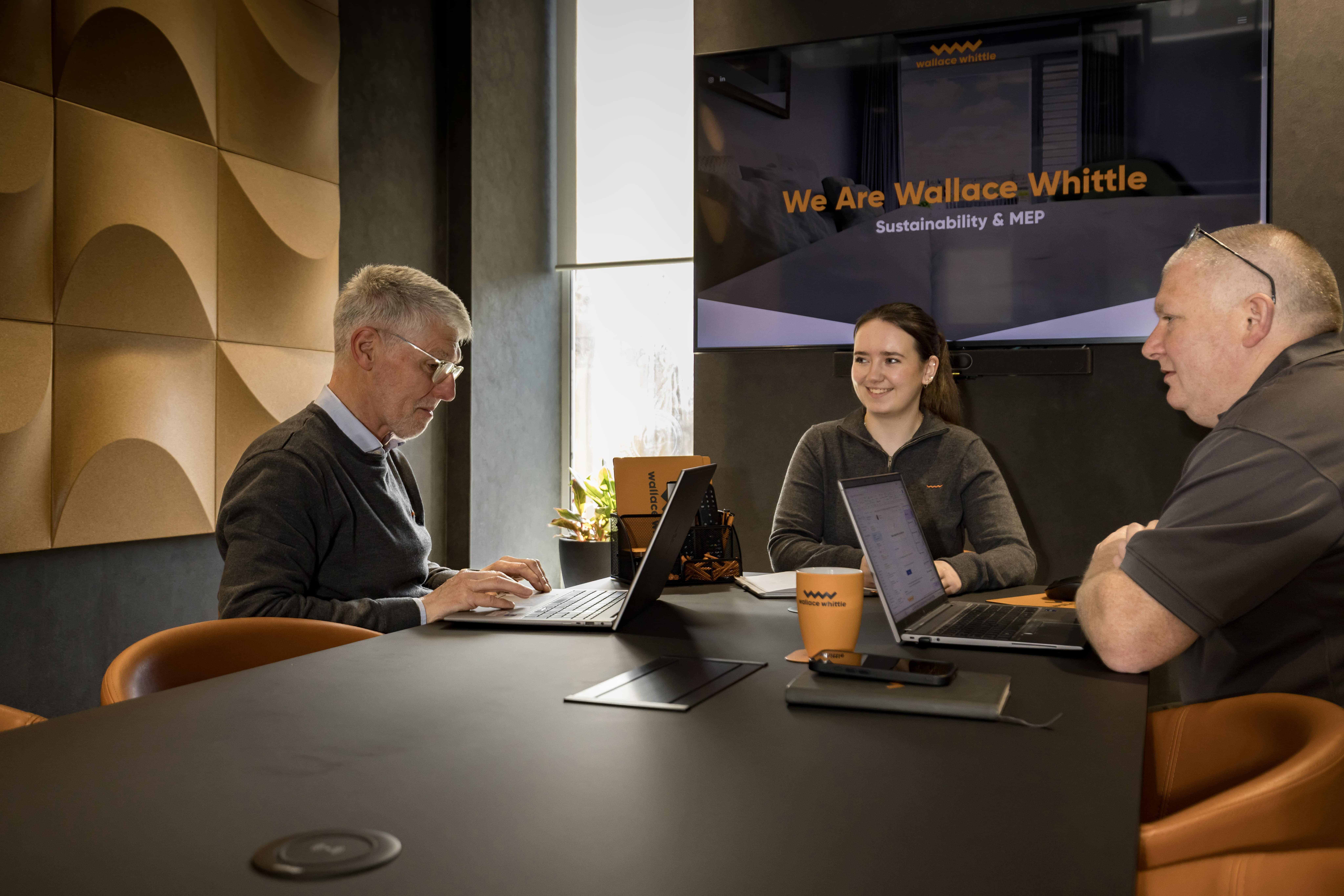
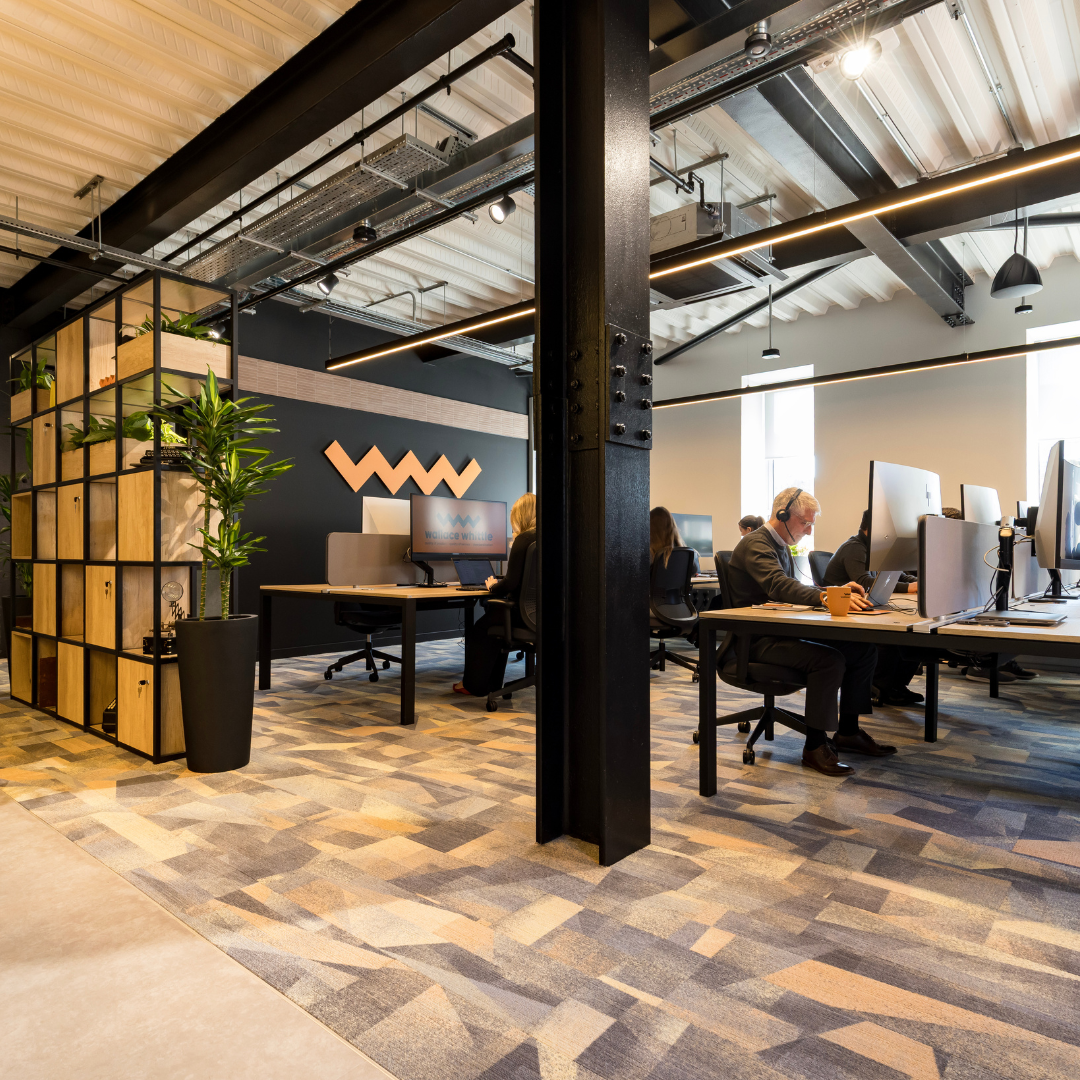
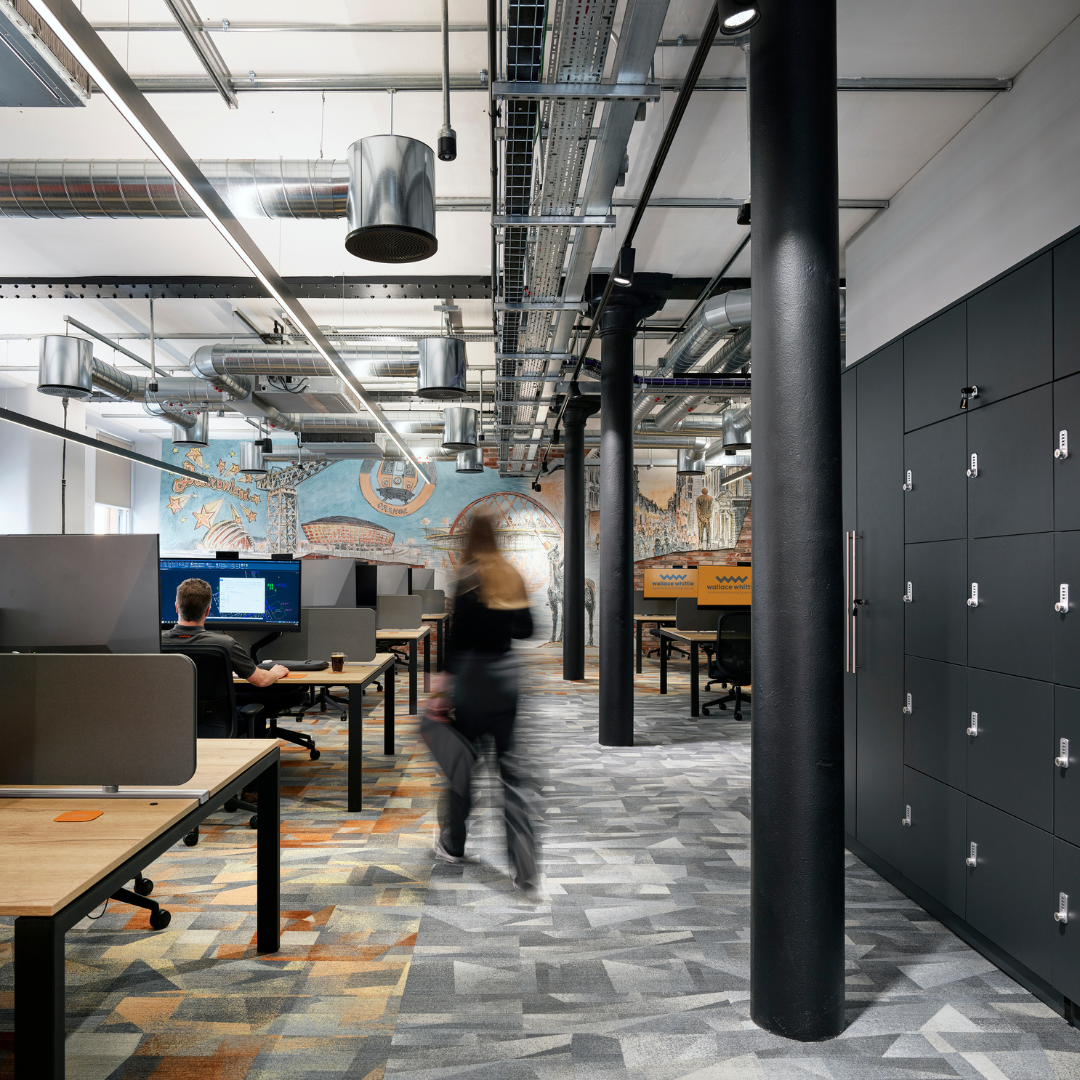
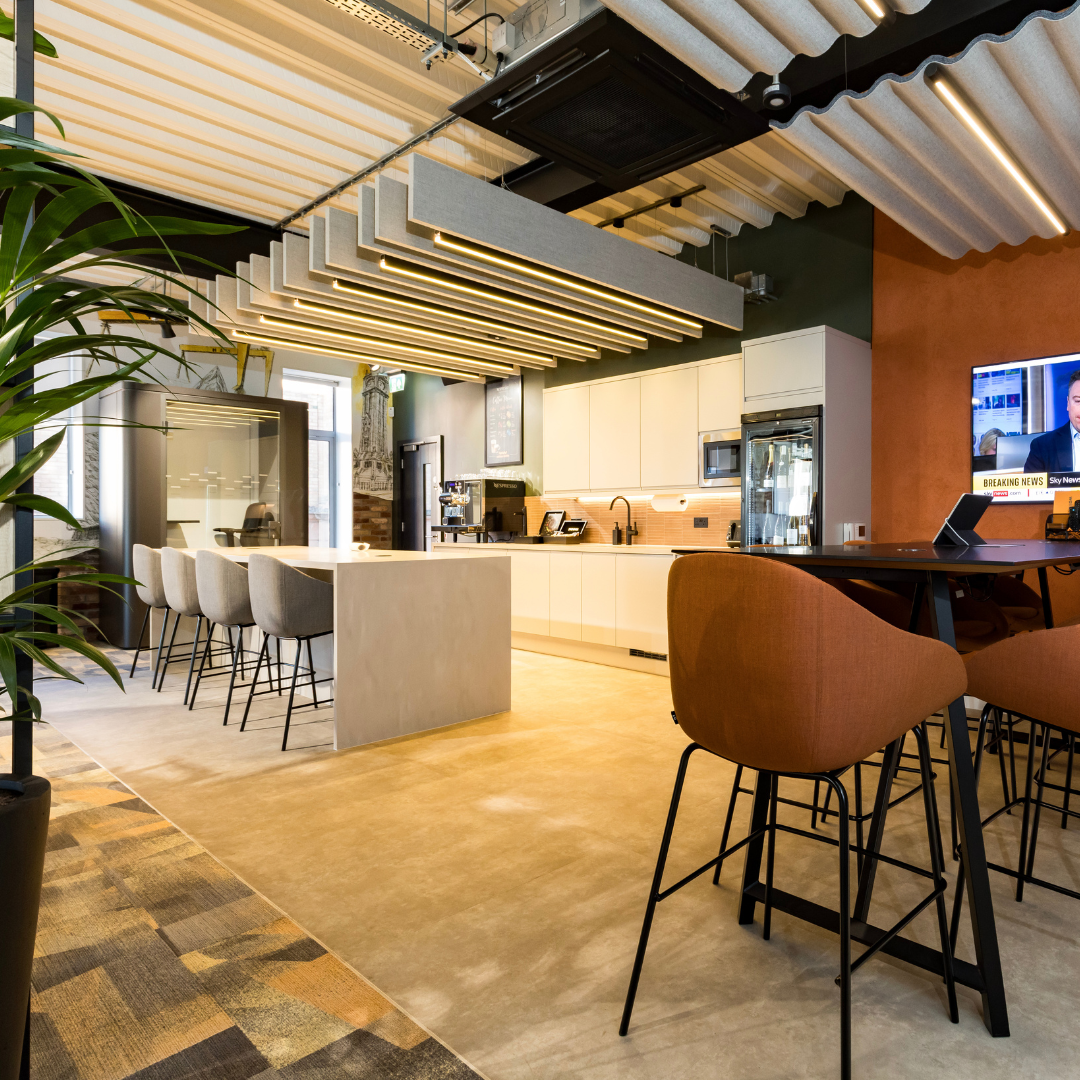
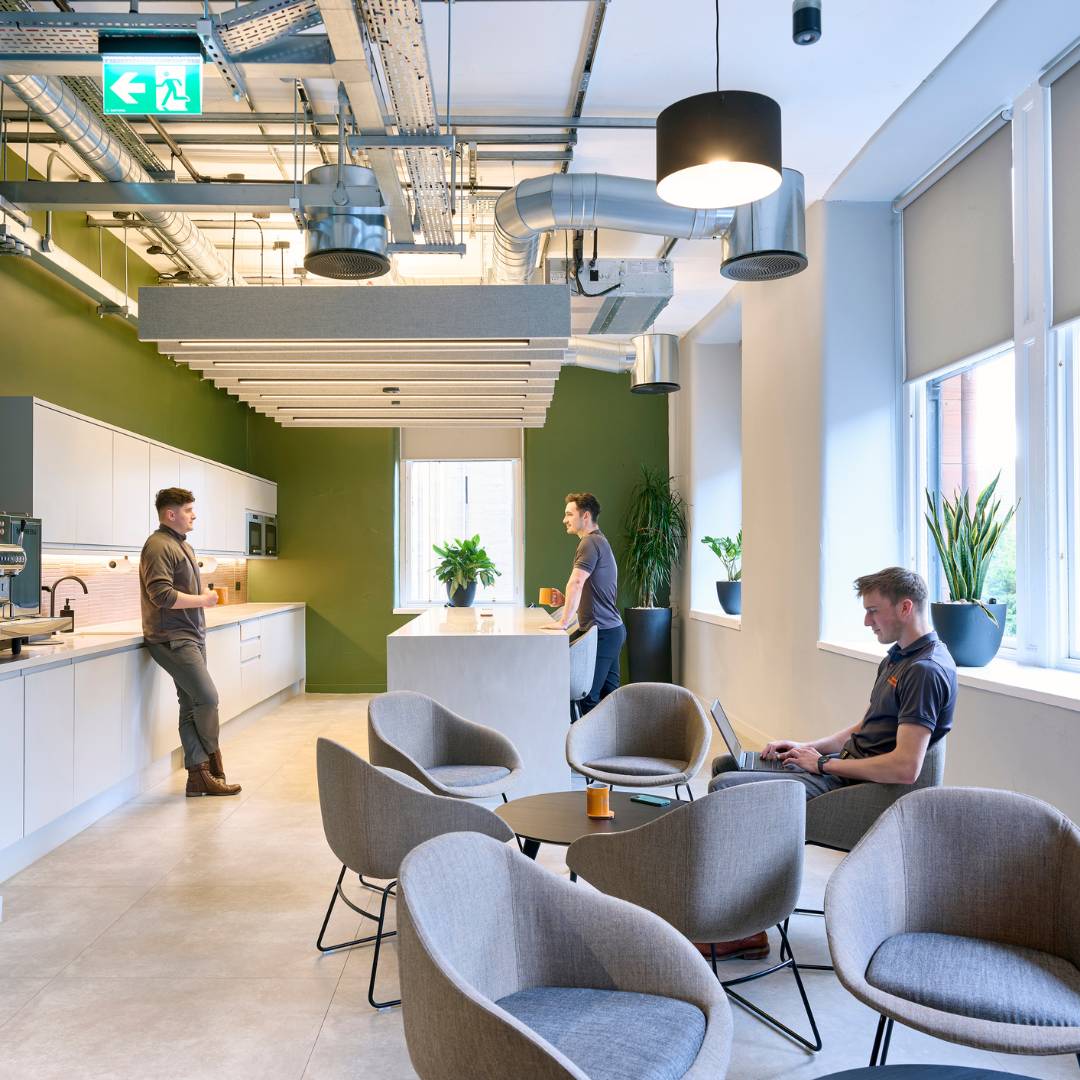
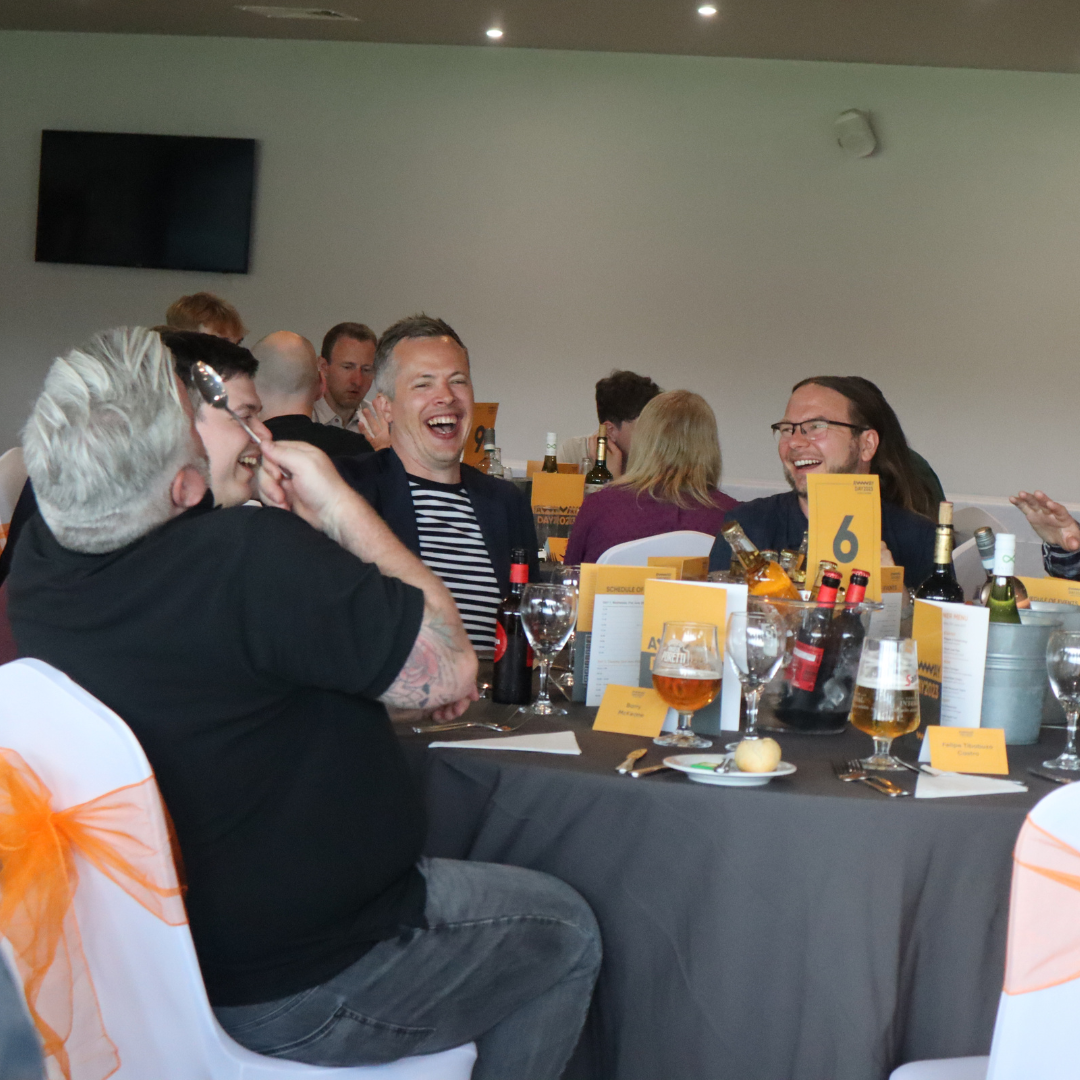
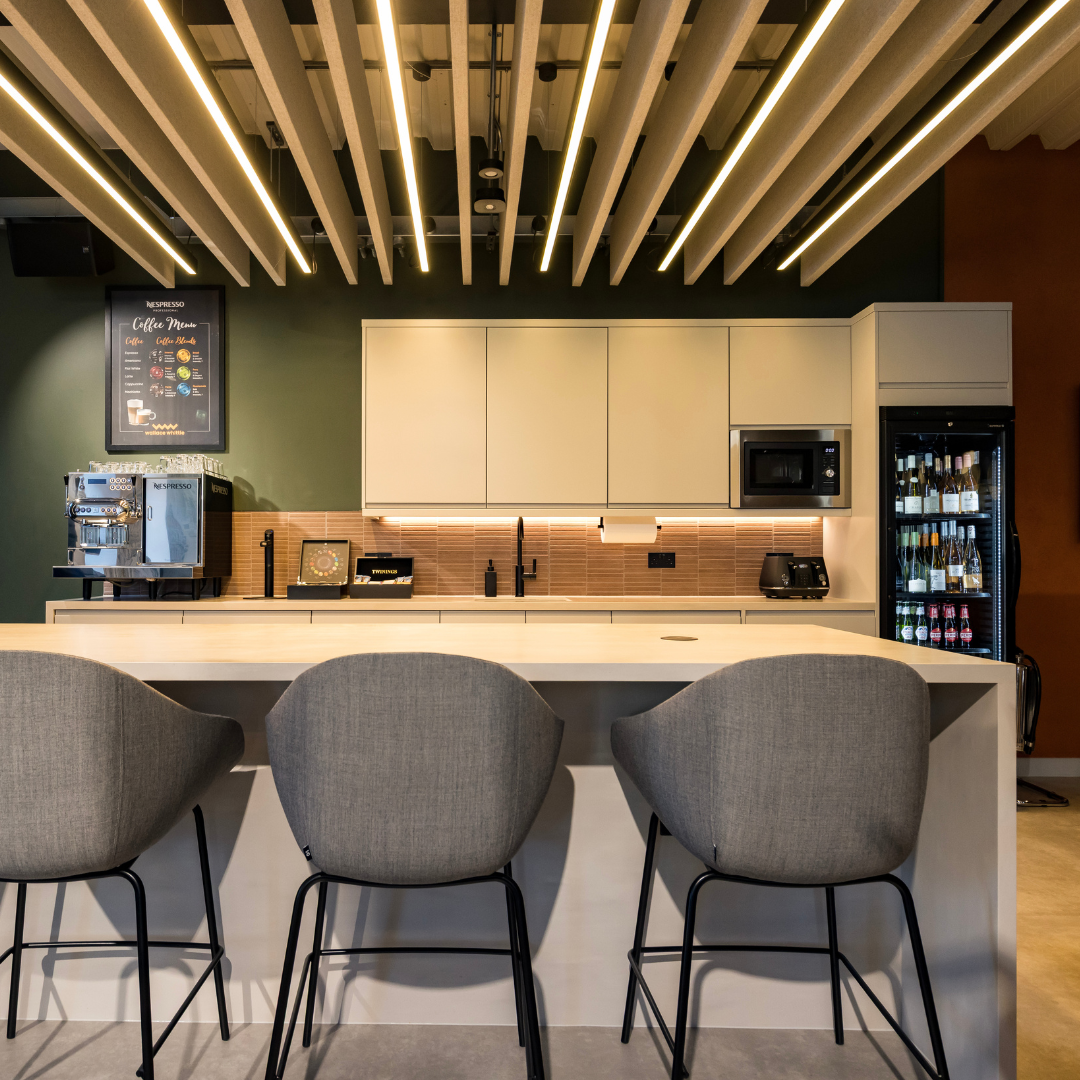
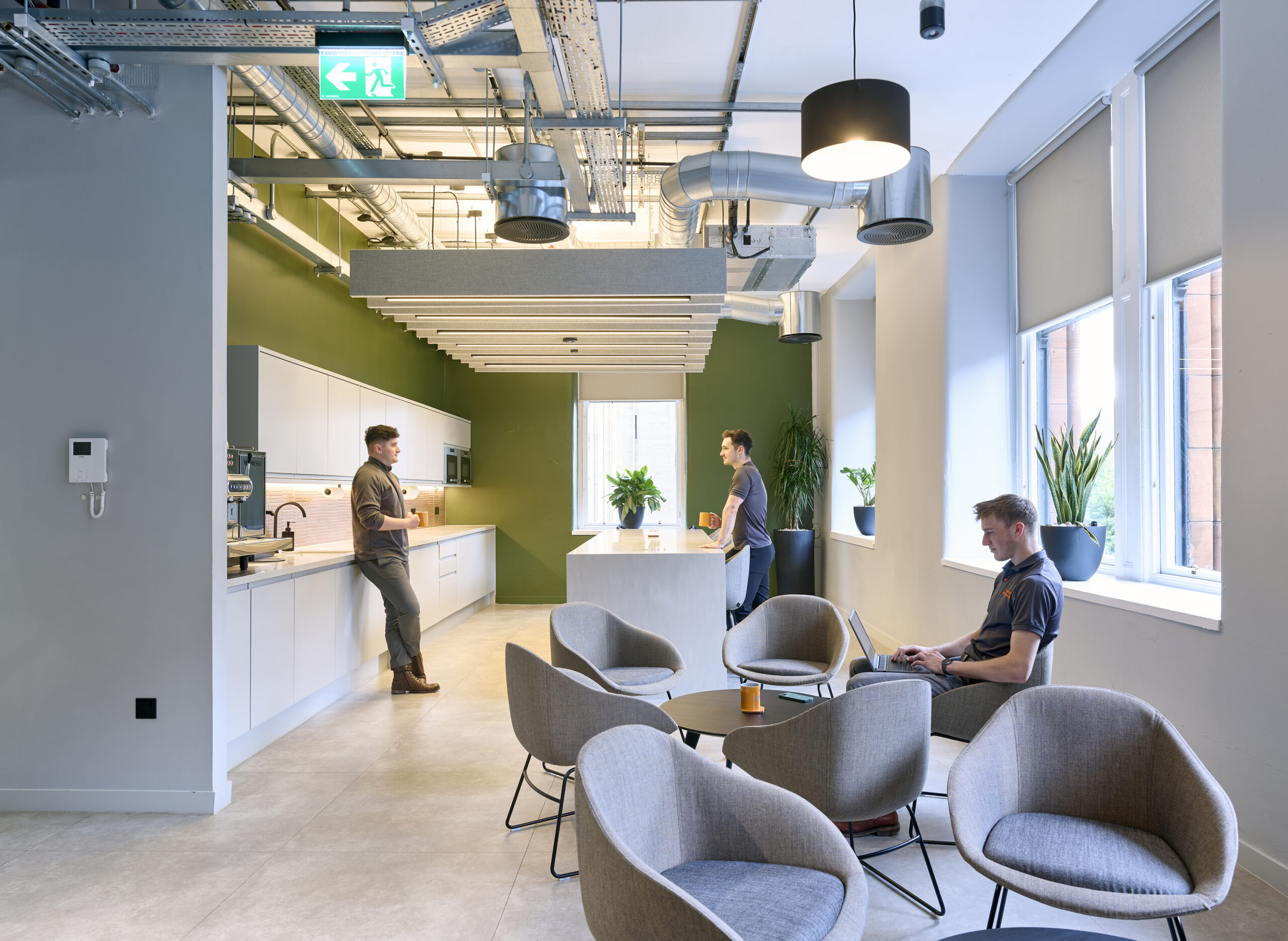
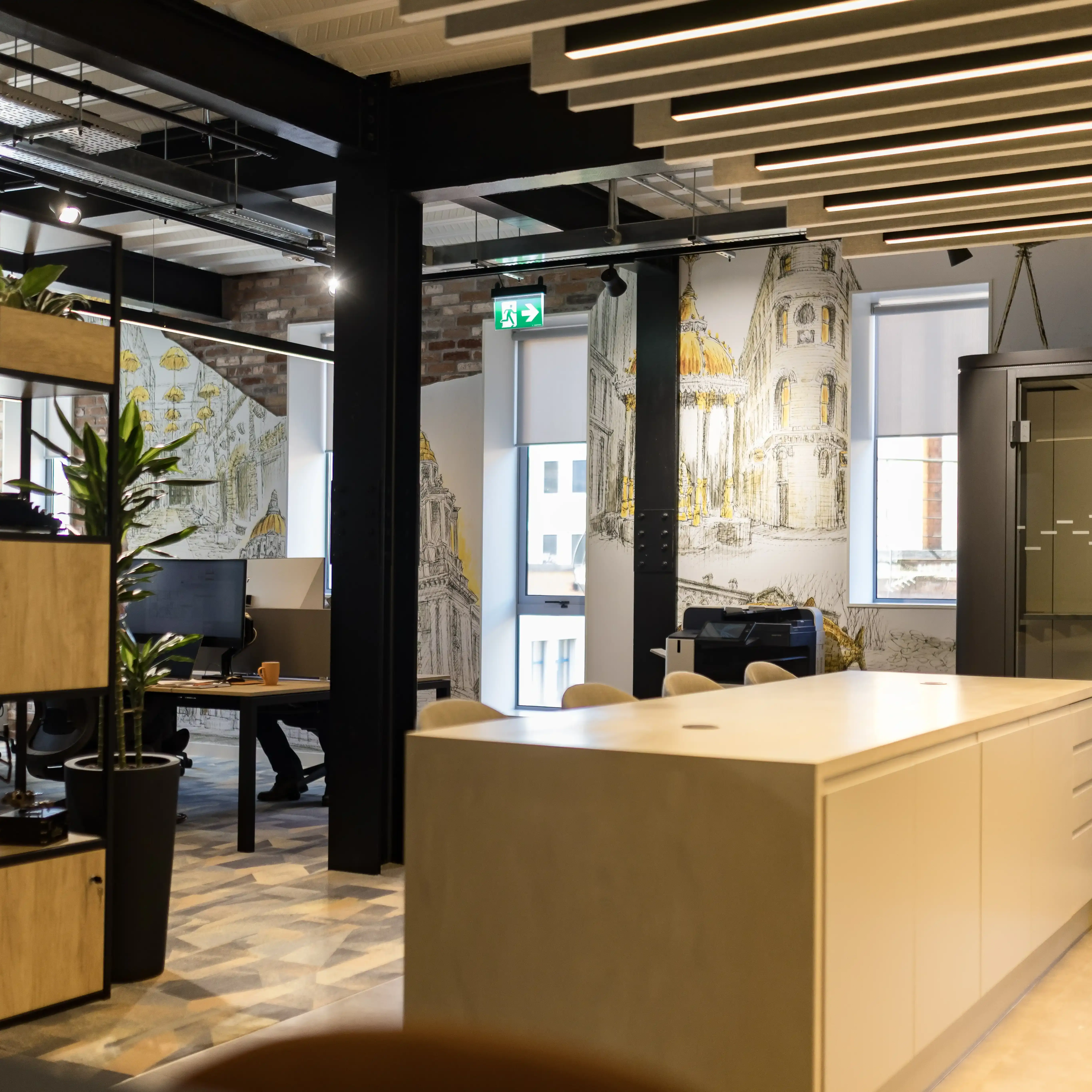
Our city-centre offices are bloody brilliant, if we do say so ourselves. With top quality tech, the best coffee and a well-stocked Friday Fridge!
📈 We Invest in You
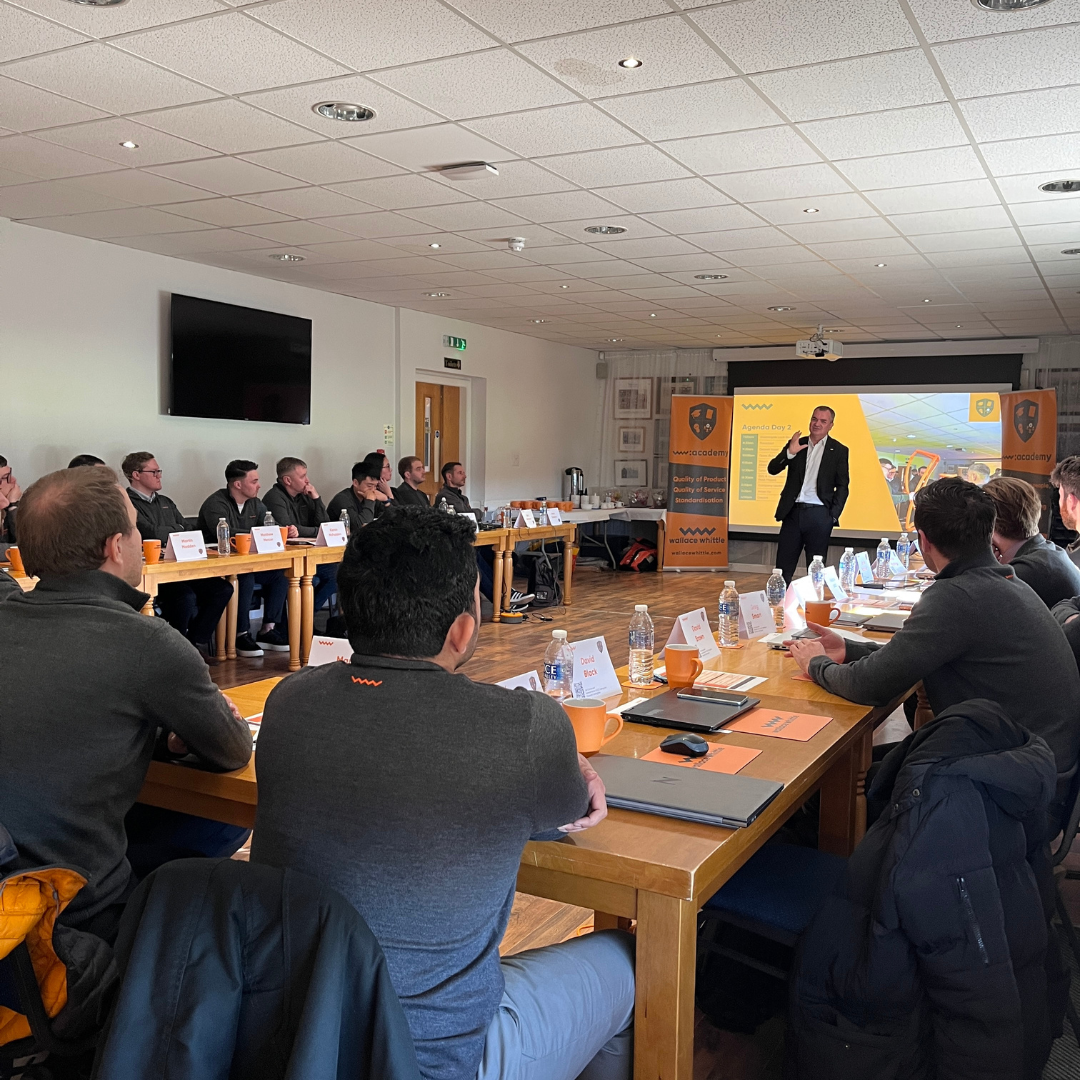
Clear career paths. We invest in real, face to face training via our WW:Academy
✈️💸 Making It Easier to Move
We offer relocation packages on some roles, and if you come direct (no recruiters, please!) we can offer a signing bonus.
🎁 Extras That Add Up
Discounts, branded work wear allowance, and more perks that actually mean something.
Electrical Associate – Leeds
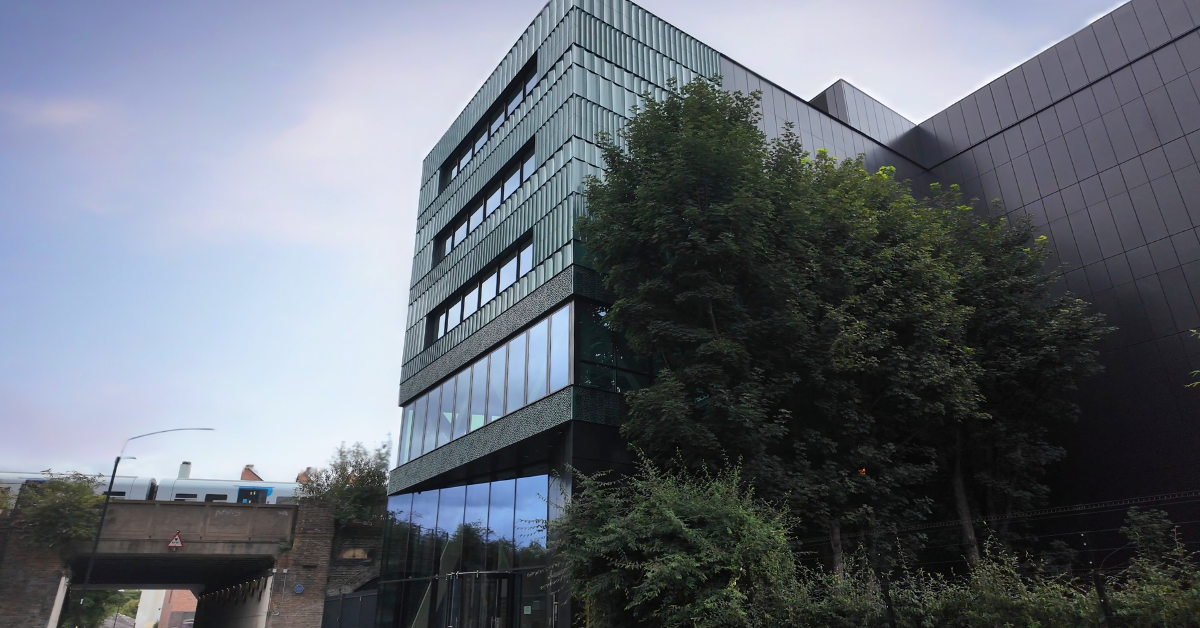
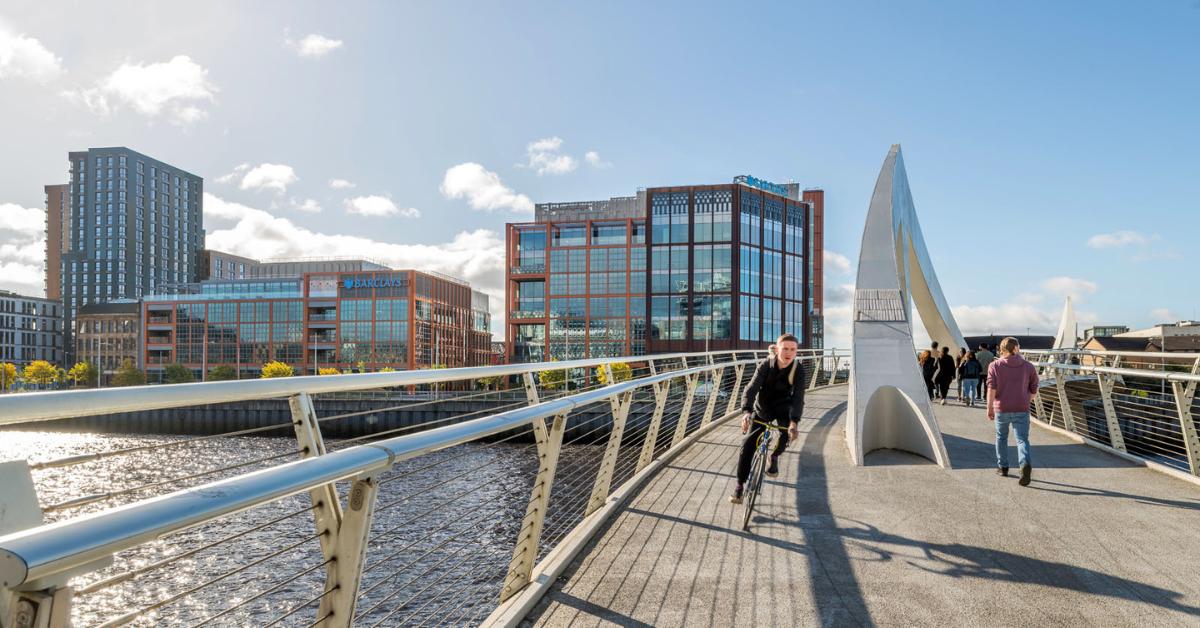
Our Leeds Office is in the heart of the city, on Greek Street, surrounded by vibrant shops, bars and restaurants. This is a new location for us and we’re building our MEP & Sustainability offering in this space.
We are looking for a proficient and self-motivated engineer, with excellent communication and good time management skills, and a track record for consistent project delivery – with strong technical knowledge and competence discipline to ensure excellent service to clients within the boundaries of our professional and commercial capabilities. Works well with minimal supervision.
Sound like something you could do? Apply below.

Join Our Team as a Electrical Associate in Leeds
Why Wallace Whittle?
We are a leading provider of sustainable building services engineering across the UK and beyond, operating from 9 city-centre offices with over 200 dedicated staff members. Our reputation for quality of product and quality of service is unparalleled.
Here’s Why You’ll Actually Want to Work Here:
💰 More Money in Your Pocket
From pension top-ups to private healthcare, we have real benefits that hit your payslip.
🩺 Health Covered
Private healthcare, online GP, mental health support – sorted.
🚗 Drive Electric, Pay Less
Hybrid scheme lets you upgrade your commute without wrecking your wallet.
🕓 Work Your Way
Office, home and hybrid – we’re flexible.
☕ Office Life
Our city-centre offices are bloody brilliant, if we do say so ourselves. With top quality tech, the best coffee and a well-stocked Friday Fridge!
📈 We Invest in You
Clear career paths. We invest in real, face to face training via our WW:Academy
✈️💸 Making It Easier to Move
We offer relocation packages on some roles, and if you come direct (no recruiters, please!) we can offer a signing bonus.
🎁 Extras That Add Up
Discounts, branded work wear allowance, and more perks that actually mean something.
Electrical Associate – Leeds
Our Leeds Office is in the heart of the city, on Greek Street, surrounded by vibrant shops, bars and restaurants. This is a new location for us and we’re building our MEP & Sustainability offering in this space.
We are looking for a proficient and self-motivated engineer, with excellent communication and good time management skills, and a track record for consistent project delivery – with strong technical knowledge and competence discipline to ensure excellent service to clients within the boundaries of our professional and commercial capabilities. Works well with minimal supervision.
Sound like something you could do? Apply below.

WW:Academy 2026. Investing in Our People at Every Level

As Wallace Whittle continues to grow, so too does our commitment to developing the people who drive our success.
The Wallace Whittle Academy remains a cornerstone of this approach; it brings together colleagues from across our offices to learn, collaborate and build upon the skills needed to support both their individual careers and the wider business.
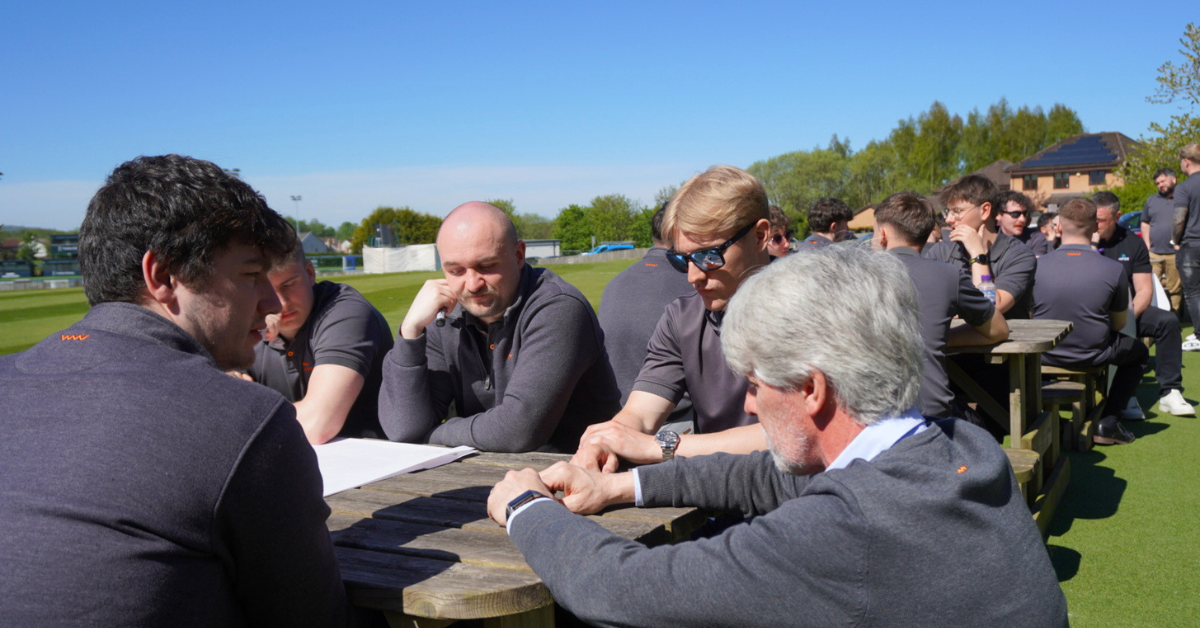
Kicking off the 2026 programme, our recent Level 2, 3 and 4 sessions welcomed staff at every stage of their journey, from apprentices to associates, graduates to directors. Across a series of tailored two-day sessions, attendees stepped away from their day-to-day roles to engage in discussions, share their perspectives, listen to seminars and explore new potential ways of working.
“The WW:Academy is a key part of how we invest in our people. It’s about creating the space for collaboration, sharing ideas, and developing the skills that go beyond day-to-day project delivery”
“As we continue to grow as a business, it’s vital that we develop our people alongside that growth. The Academy gives our teams the opportunity to step back, think strategically, and understand how they contribute to the wider success of the business, which quality of service and product at its core.”
Our MD, Allan McGill, shared with us.
We kicked off this year’s Academy programme with our Level 2 cohort, bringing together junior and graduate staff from across our offices for the two days. Designed to support those in the early stages of their careers, the level 2 sessions focus on building confidence, encouraging curiosity and providing a bit of exposure to the wider industry, beyond their day-to-day project work.
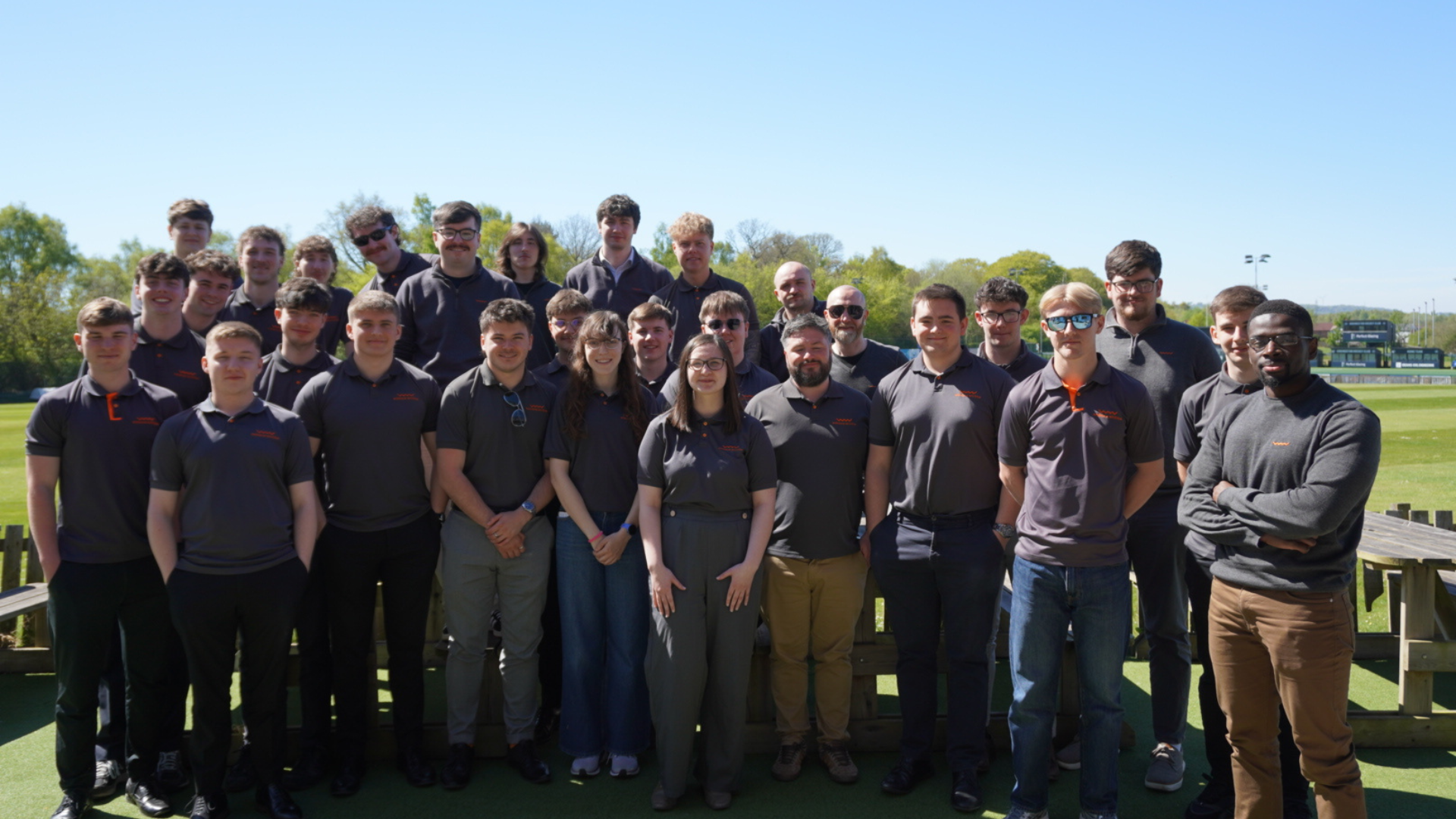
By connecting staff from different offices and disciplines, the academy helps establish strong working relationships early on and fosters a sense of belonging for our younger staff. Over the two days, attendees took part in a series of seminars and discussions led by both internal teams and external experts. Guest speakers from Doig + Smith shared insights into the importance of effective project management. At the same time, Hiper Technology Group delivered a thought-provoking session and task on AI and automations, exploring how emerging tech can support efficiency without compromising accuracy, quality or privacy.
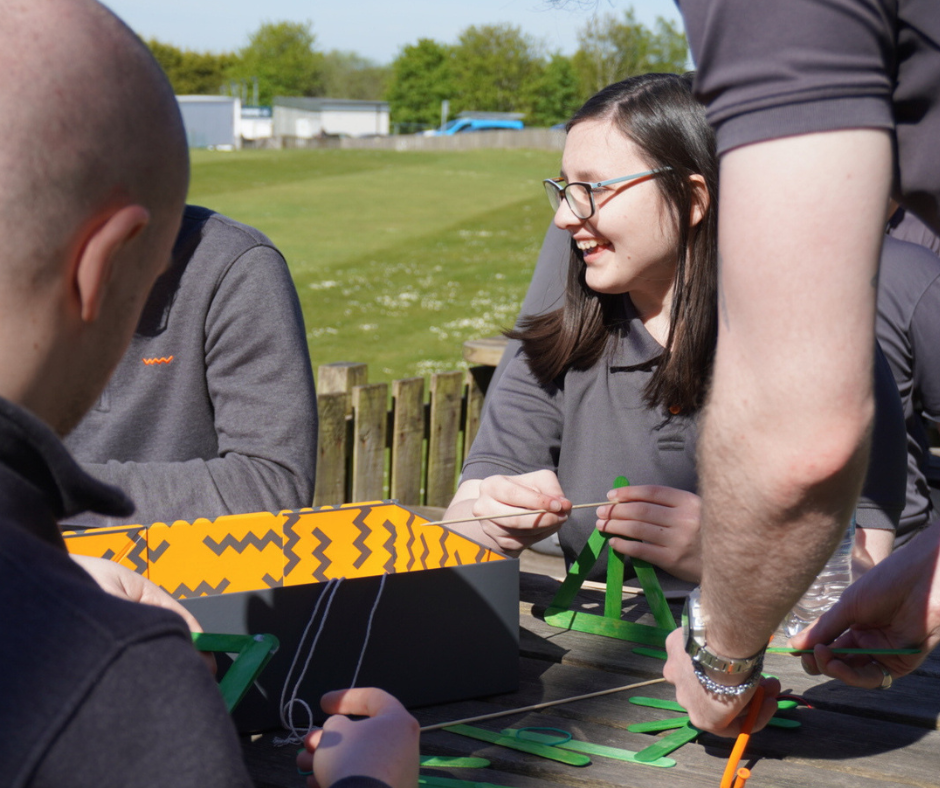
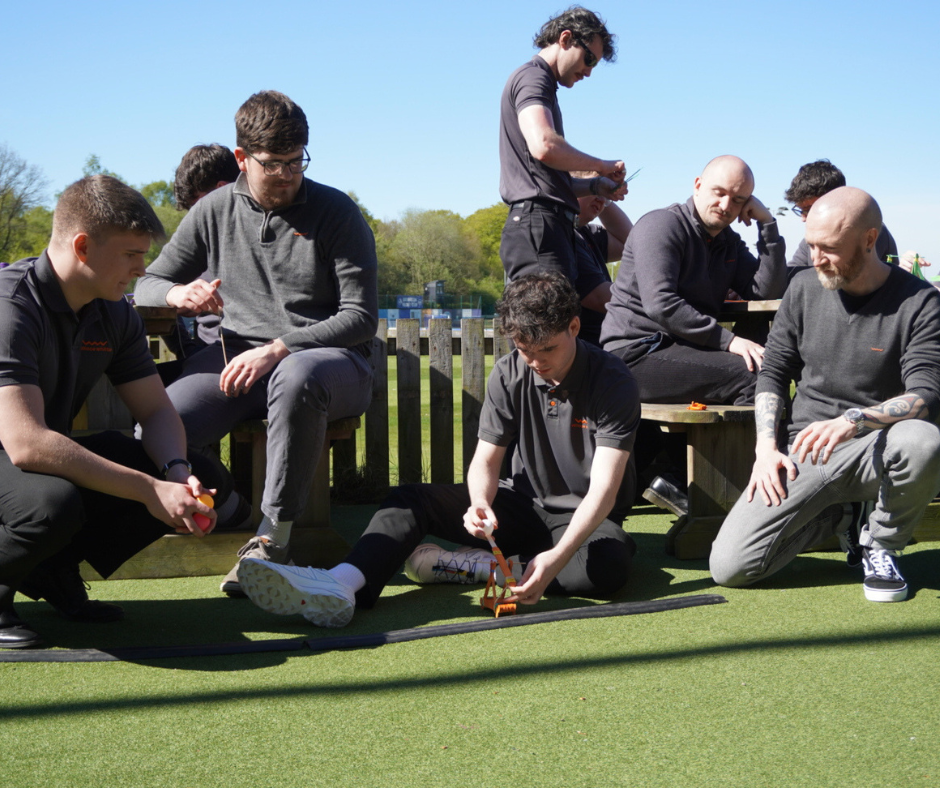
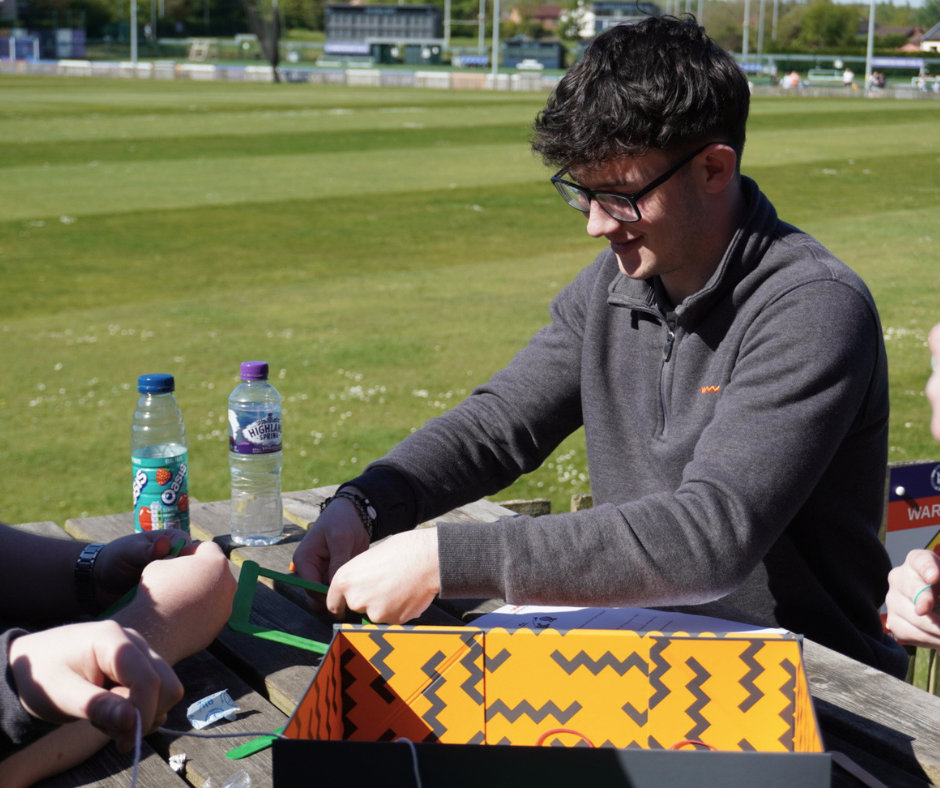
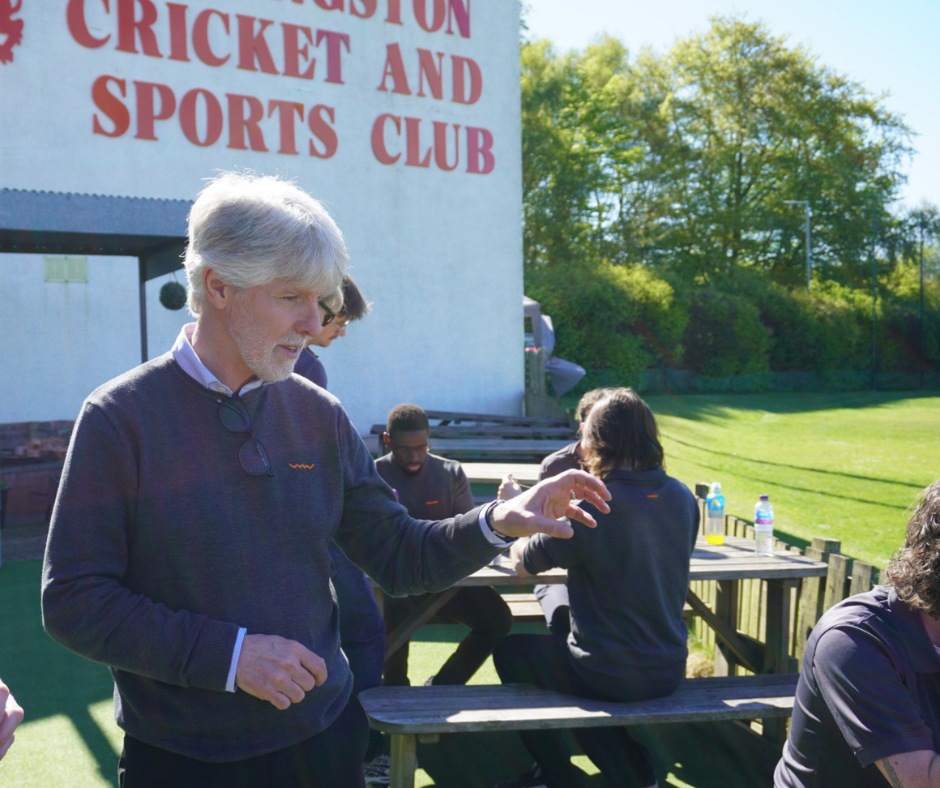
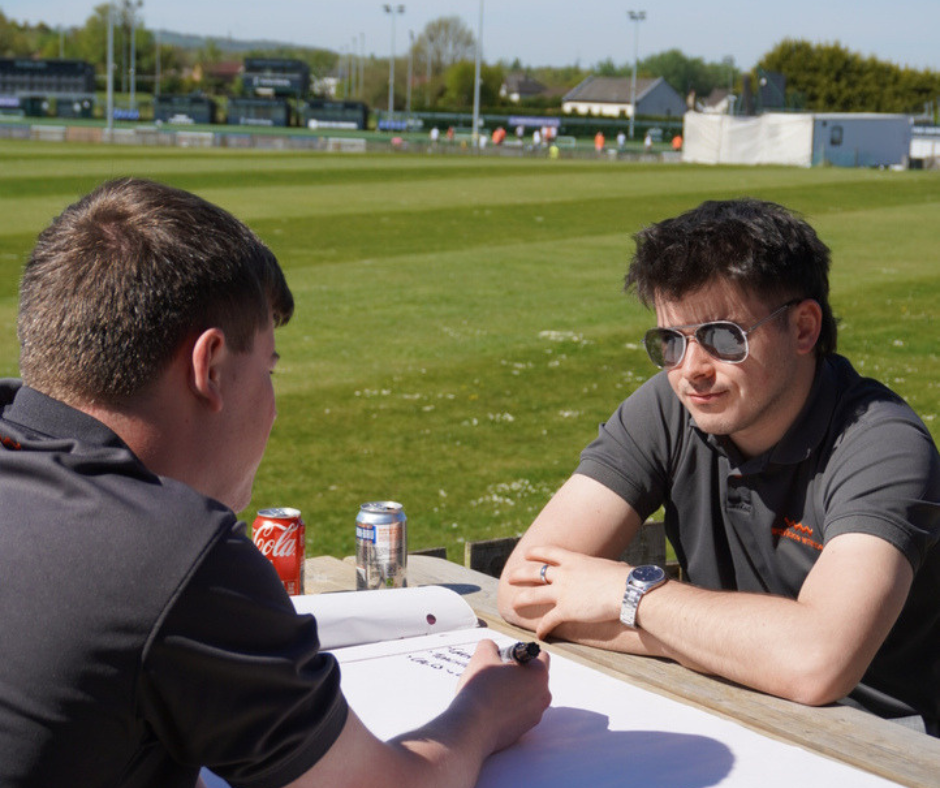
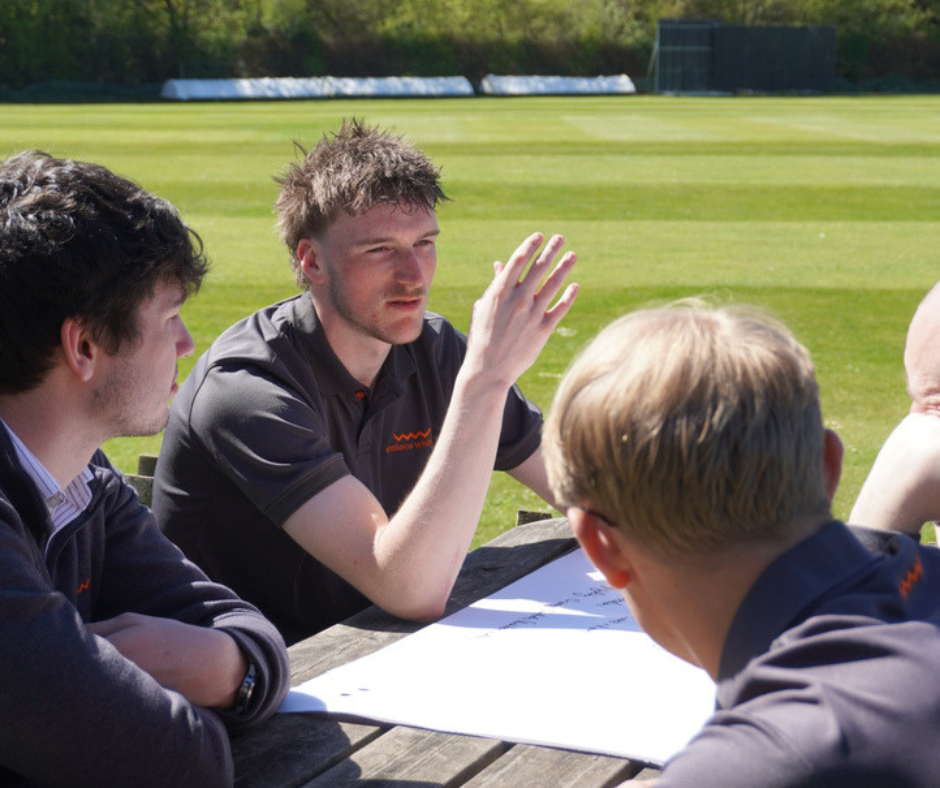
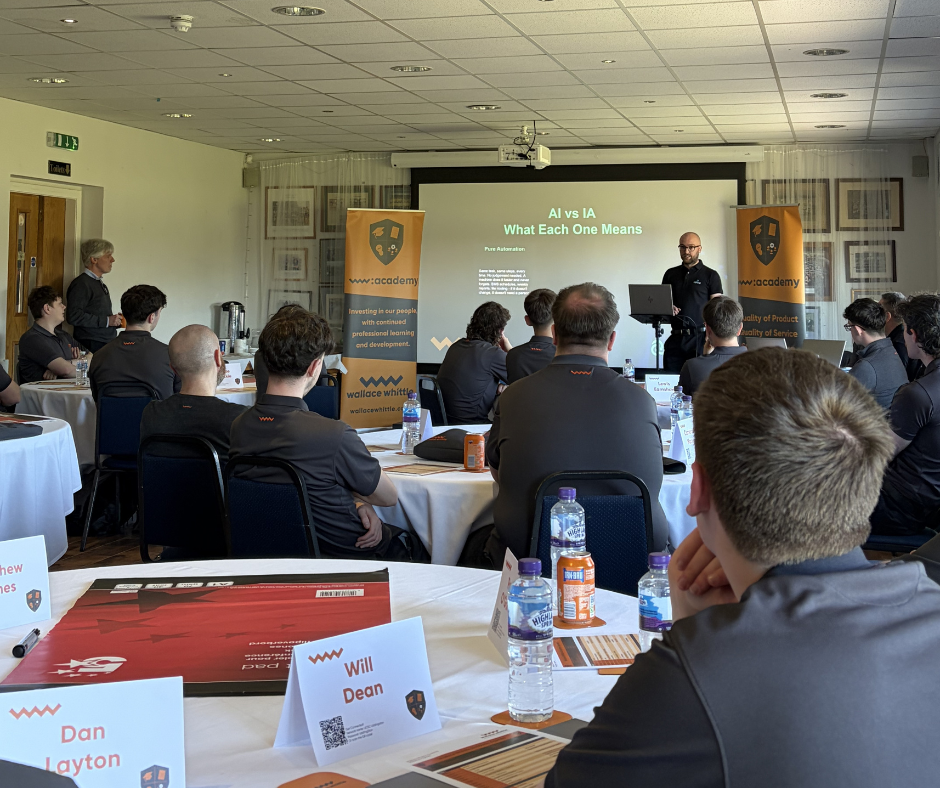
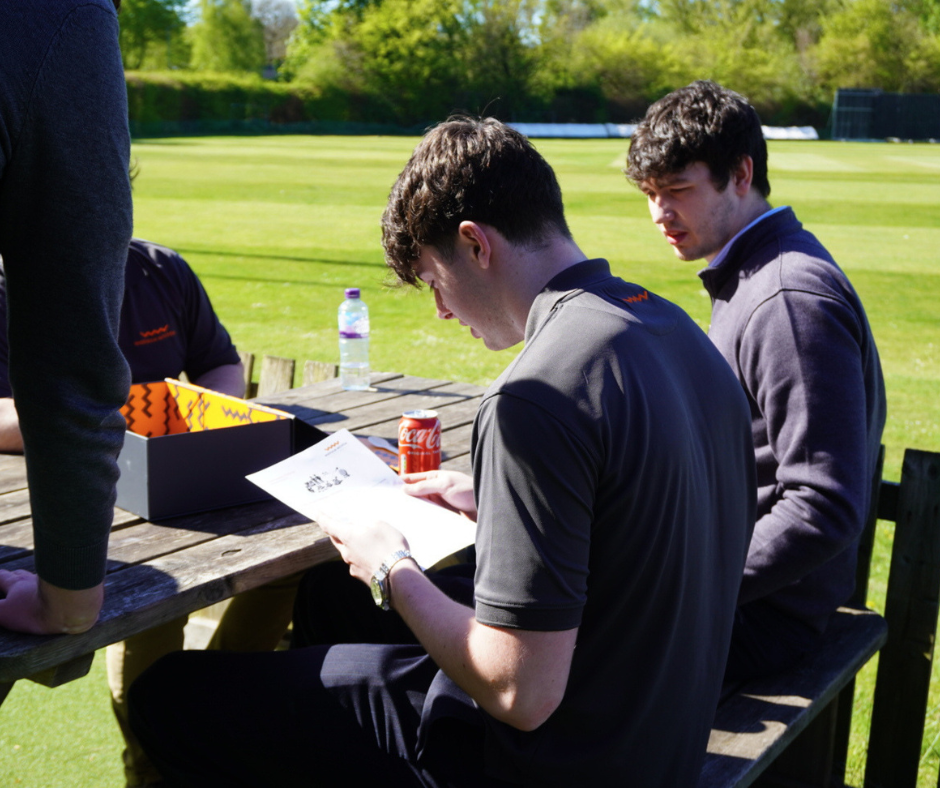
Building on this foundation, our level 3 sessions brought together mid to senior level staff for a more strategic programme focused on broadening perspectives and strengthening cross-disciplinary collaboration. At this stage, the academy shifts towards developing a deeper understanding of the wider business and industry, encouraging attendees to think beyond their immediate roles and consider how their work contributes to overall project success.
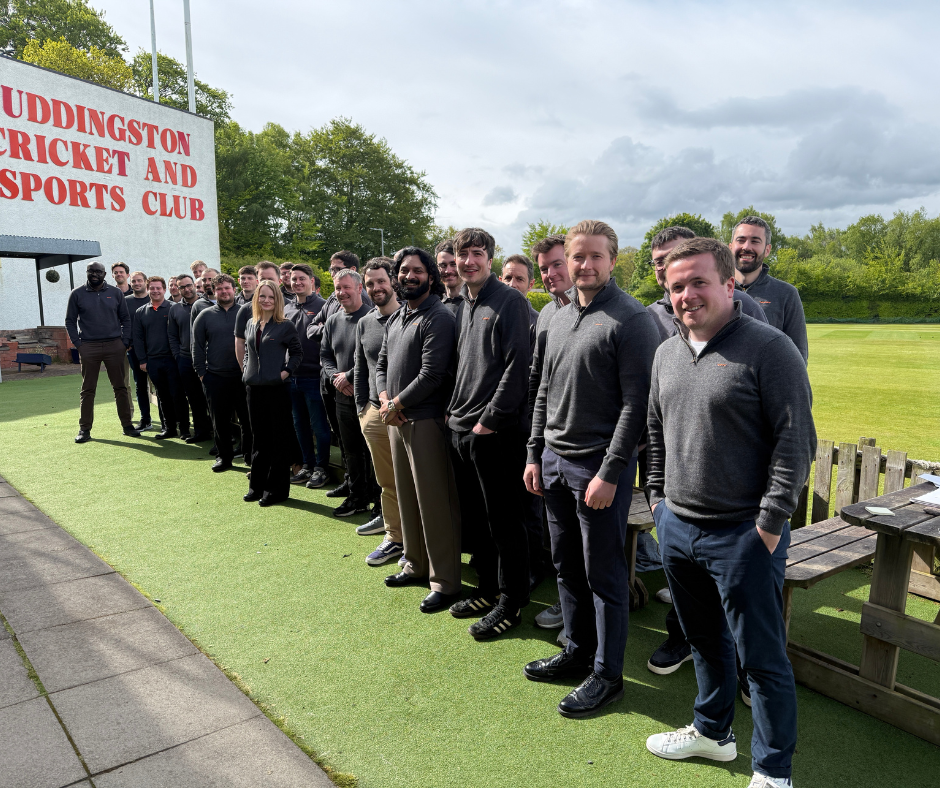
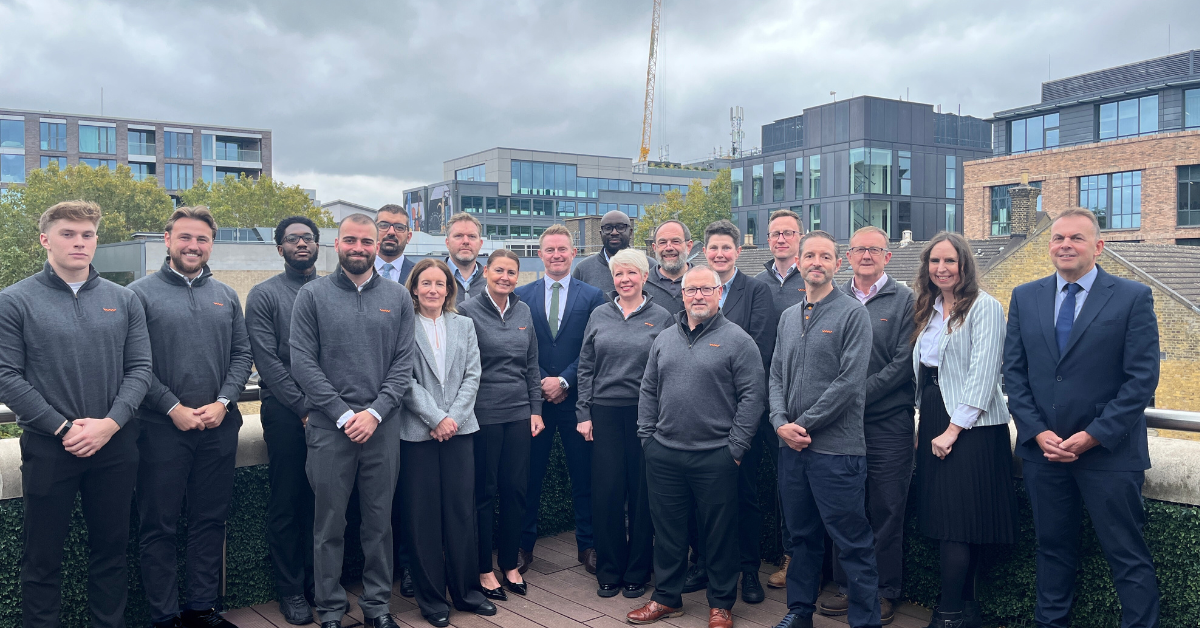
A key highlight of this session was the joint discussion led by our managing director, Allan McGill and John Petrie of Petrie Buchanan. Following the recent addition of Petrie Buchanan to the Wallace Whittle Group, this session offered valuable insight into the acquisition, alongside conversation around productivity, efficiency and the opportunities this brings for both our teams and our clients.
Alongside this, discussions continued to highlight innovation and technology, including the role of AI and Automation, encouraging staff to challenge their existing ways of working and explore how new approaches could enhance work efficiency and performance.
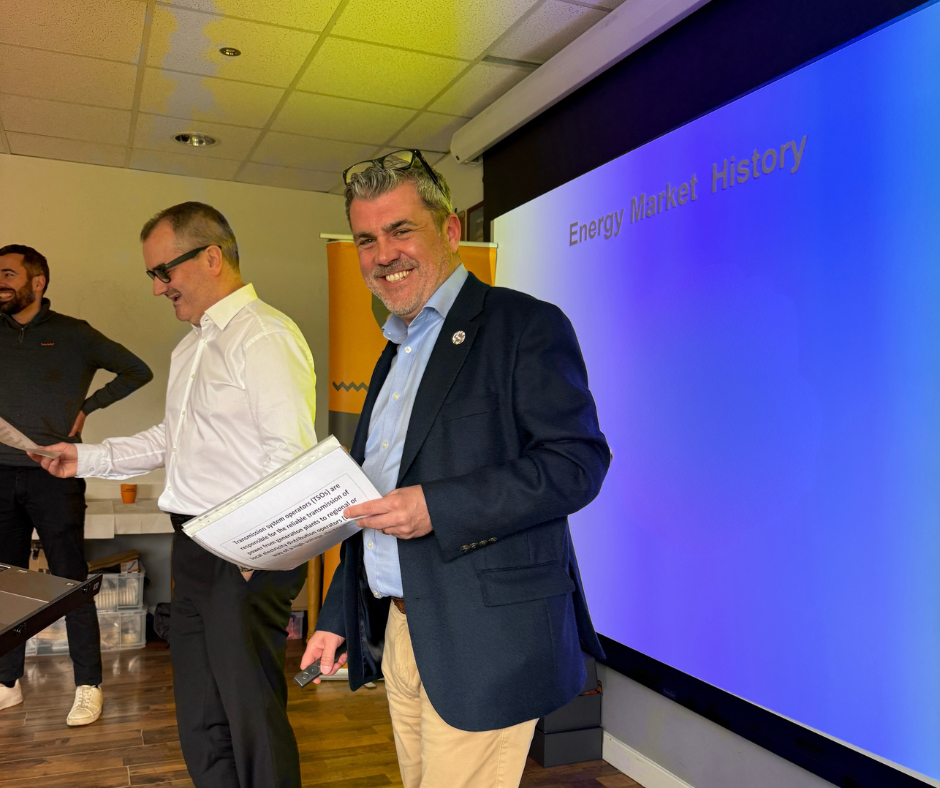
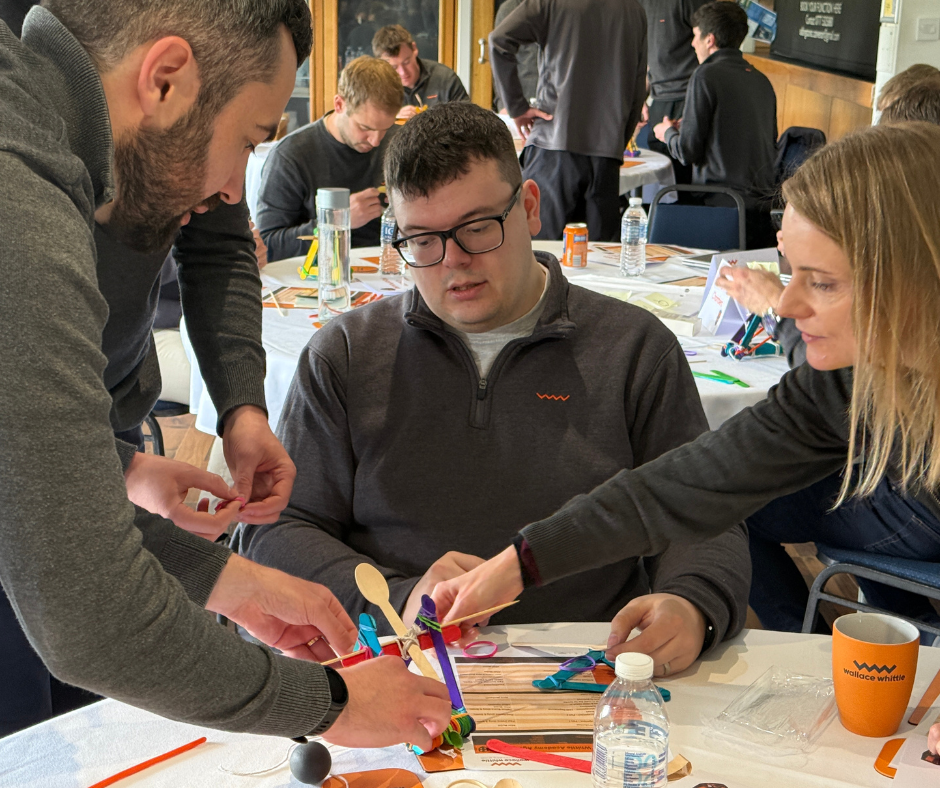
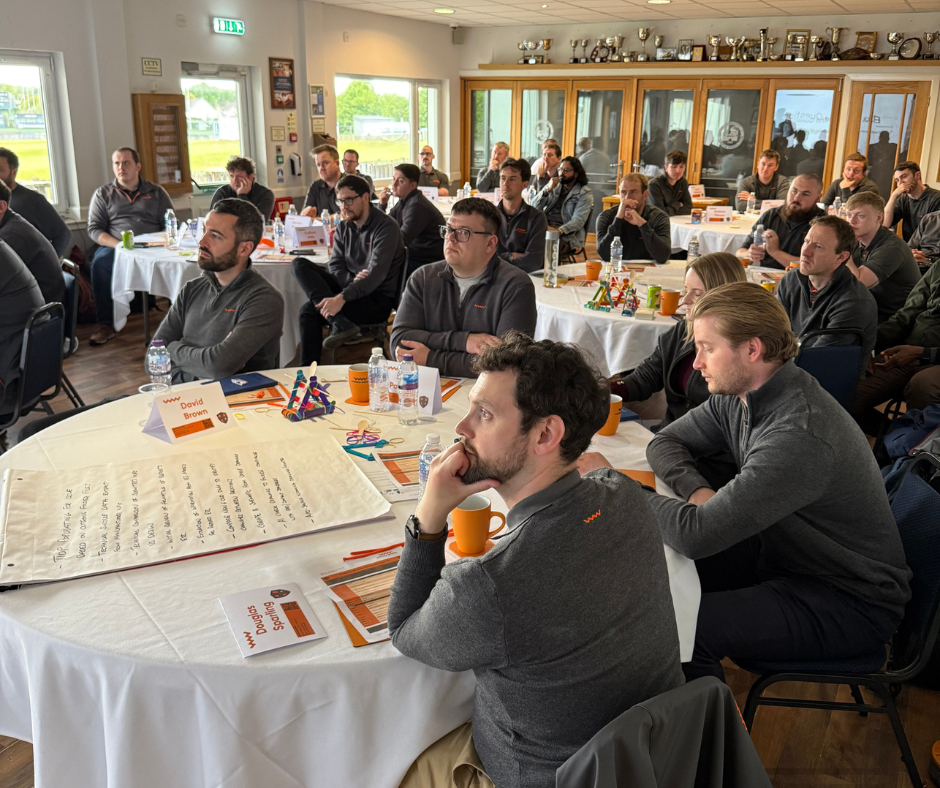
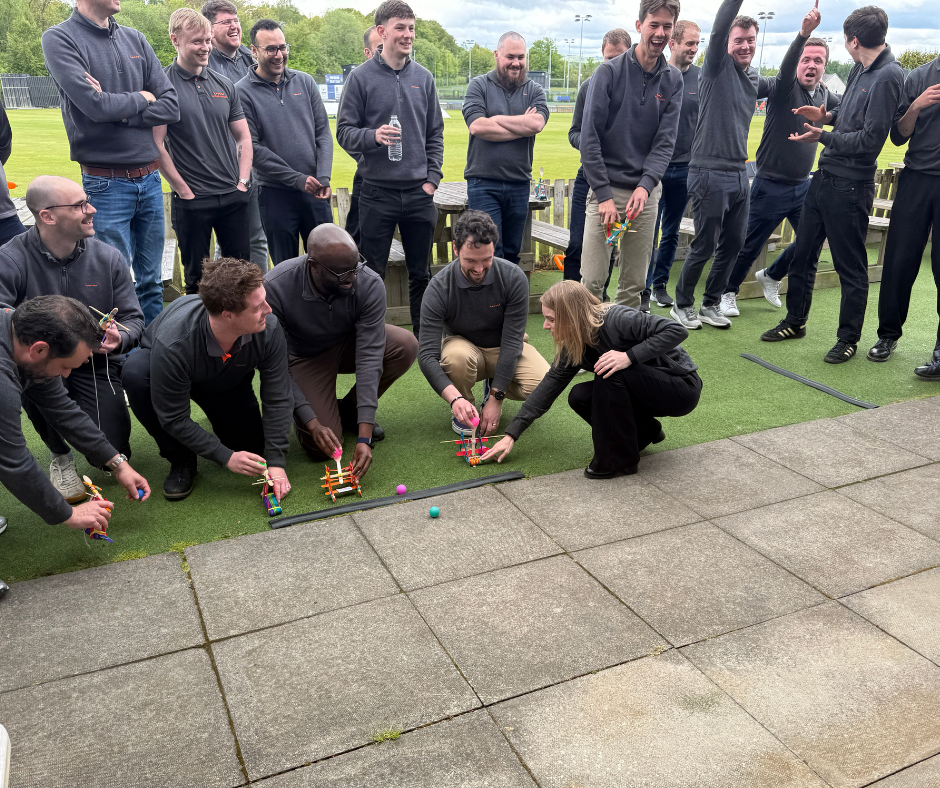
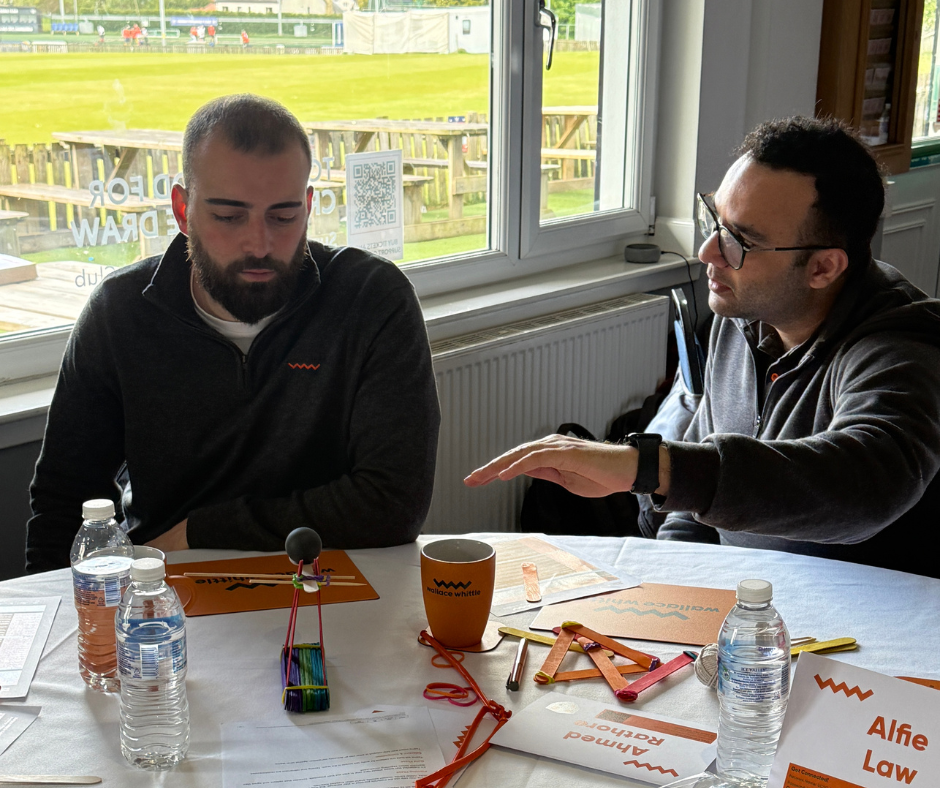
Lastly, our Level 4 session brough together senior staff from across the business, stepping away from the day-to-day management of project delivery. Designed to support leadership development, these sessions encourage open discussion around business strategy, performance and the future direction of Wallace Whittle. Our Level 4’s also explored how they can contribute to driving the business forward, whilst also sharing experiences and identifying potential opportunities to improve efficiency across teams.
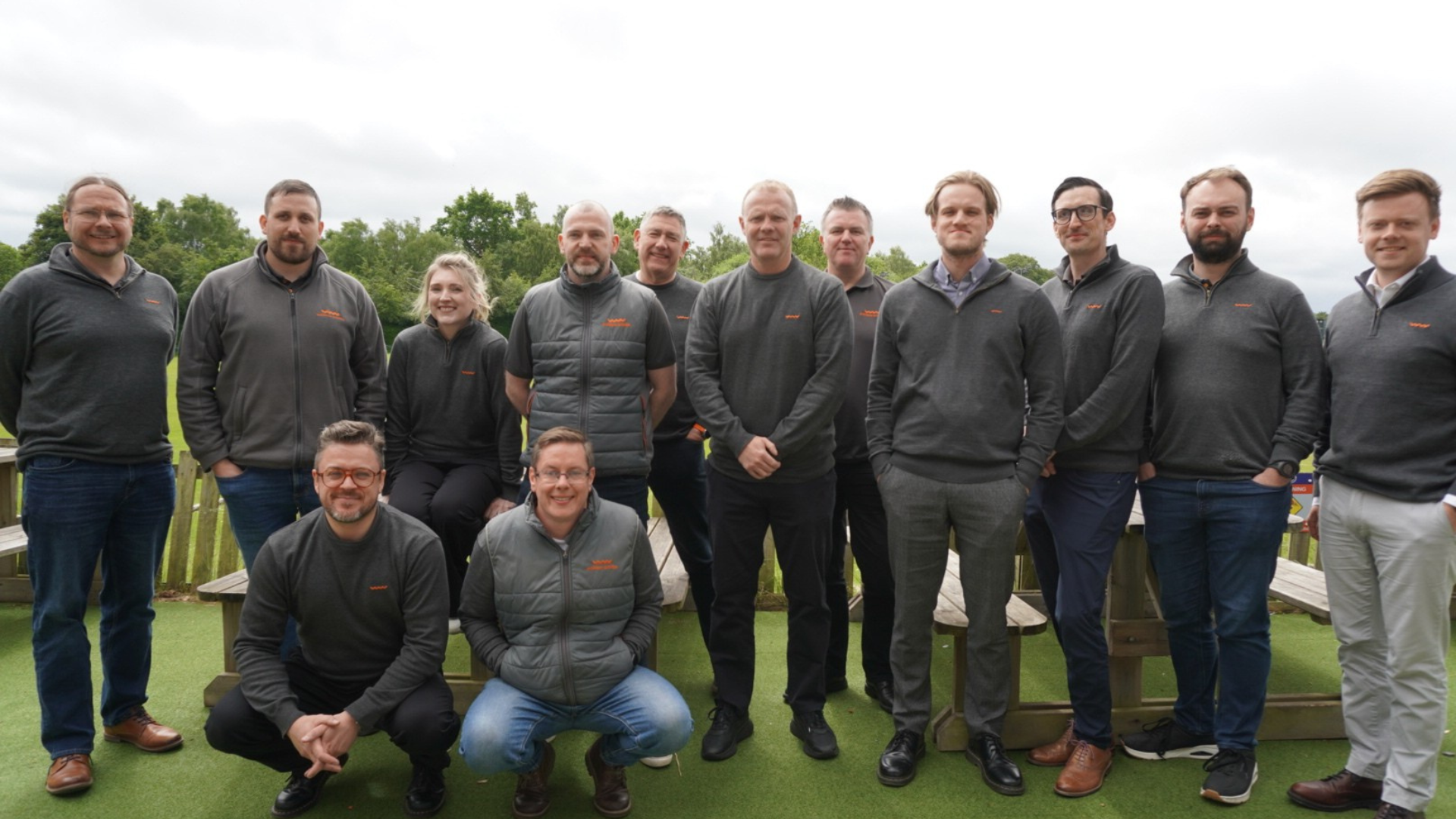
“It’s really important that the Academy workshops provide direct access to our Managing Director, who attends all sessions and encourages staff at all levels to engage with each other and with him from the very start. This empowers everyone to get involved and play a part in shaping and developing the business for the future,” said Paul Hargreaves, Academy Manager.
This level of access helps to build a broader understanding of the business beyond individual roles, strengthening confidence and encouraging more informed decision-making across all levels.
“Our Academy workshops are not focused on technical skills, but instead provide a platform for wider personal development. From soft skills to peer-to-peer engagement, they help strengthen the team ethos of the business through collaboration and shared experiences,” added Raymond Kelly, Quality & Standardisation Manager
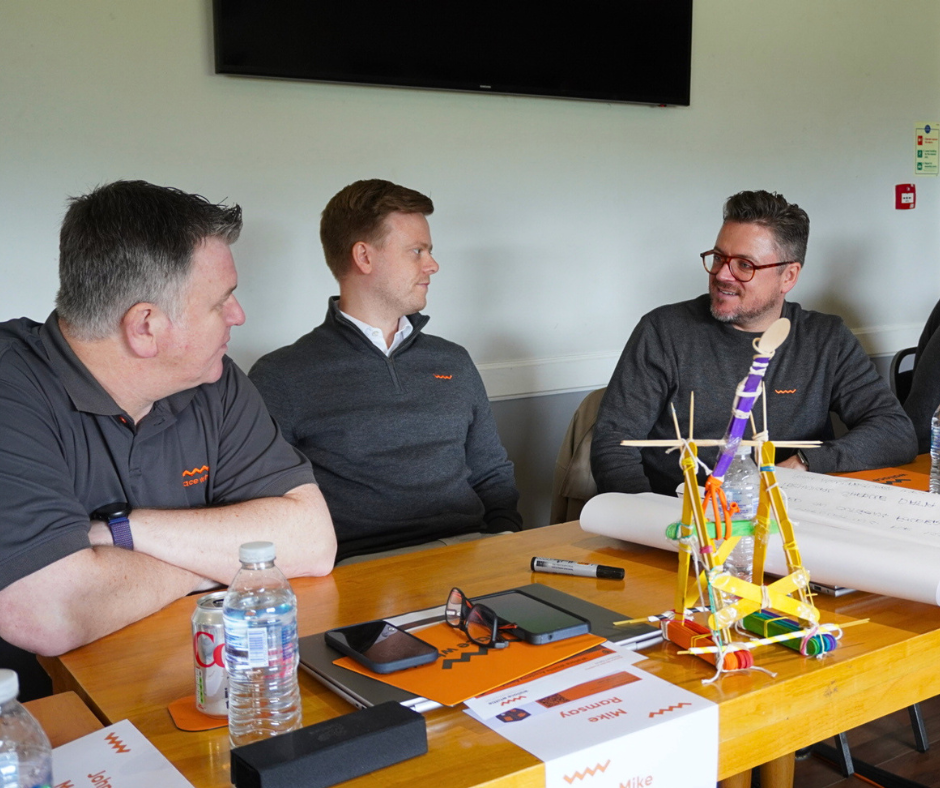
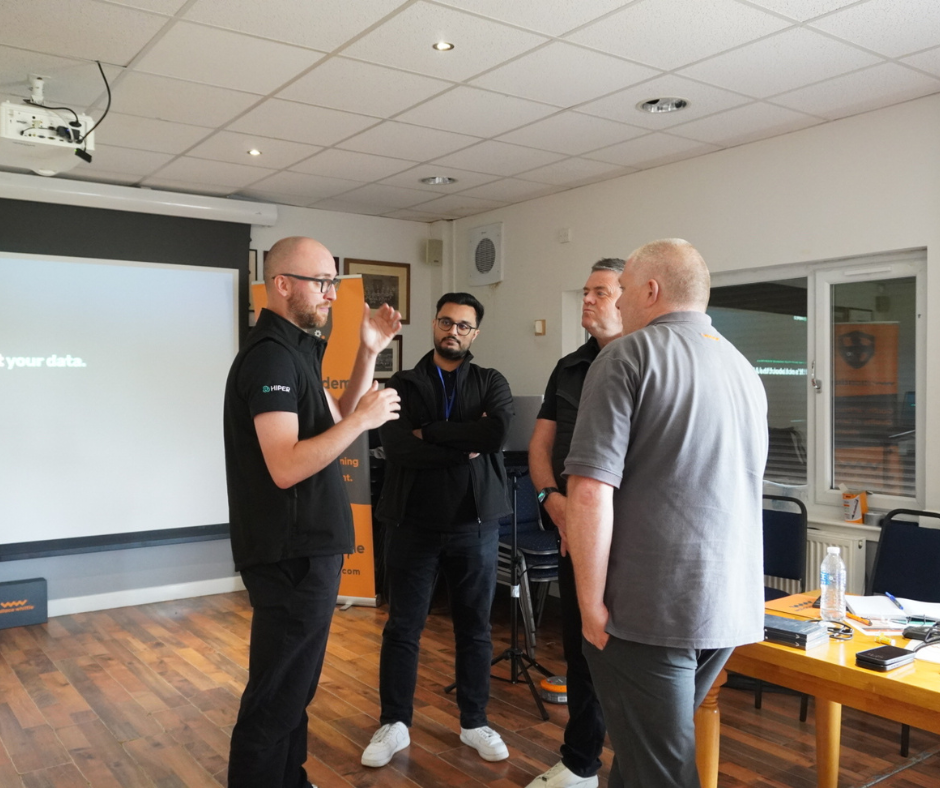
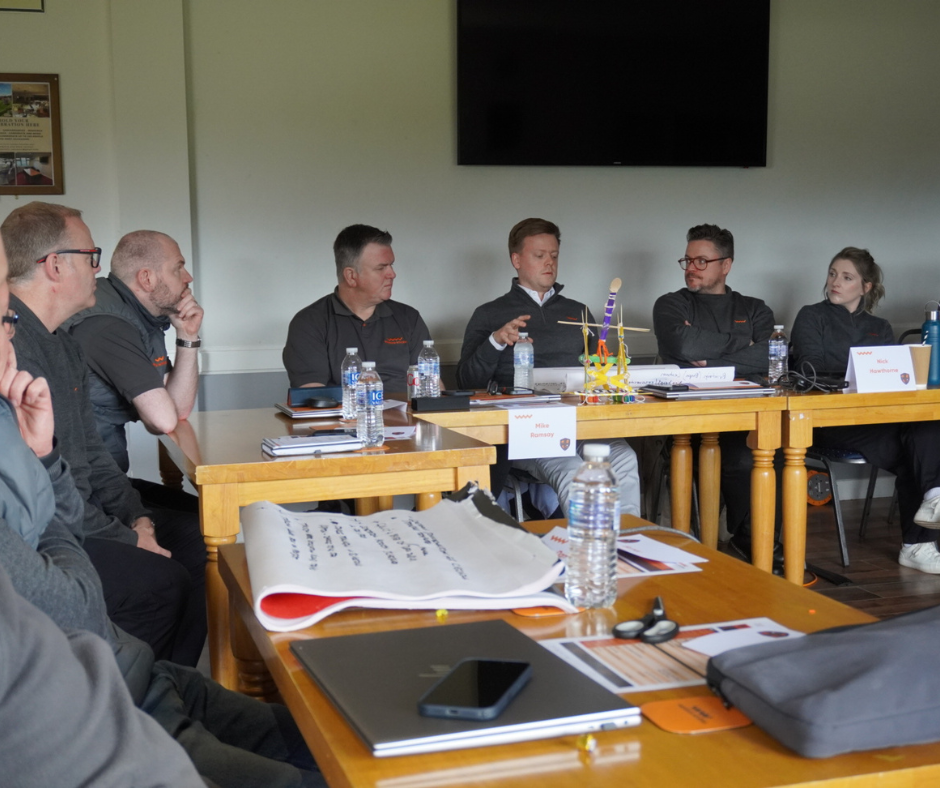
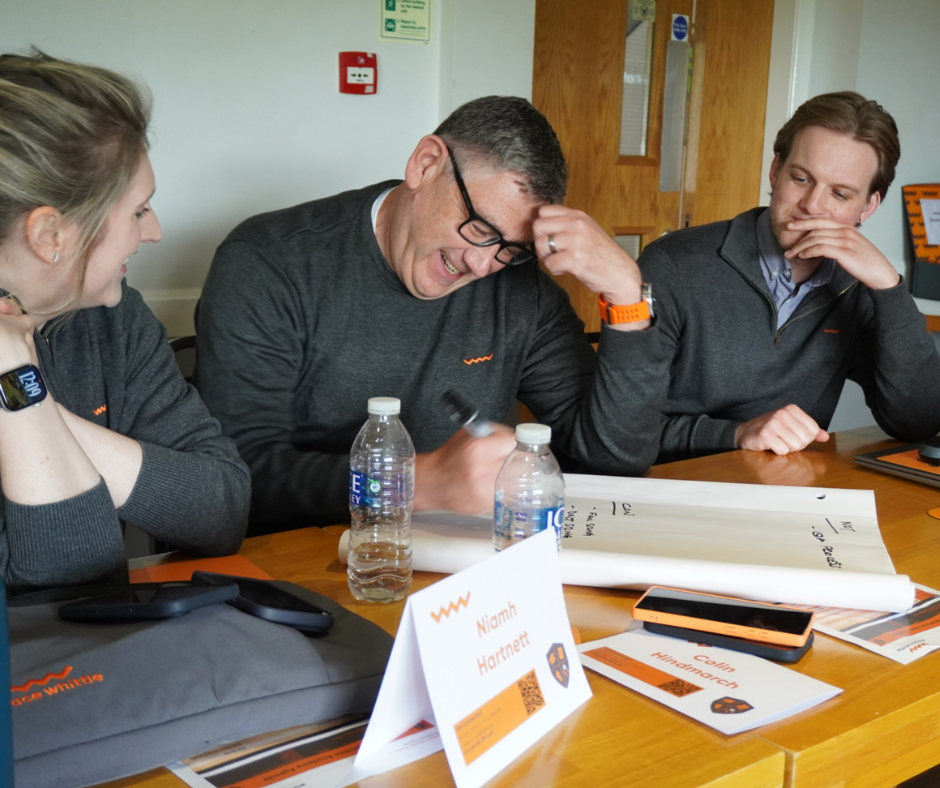
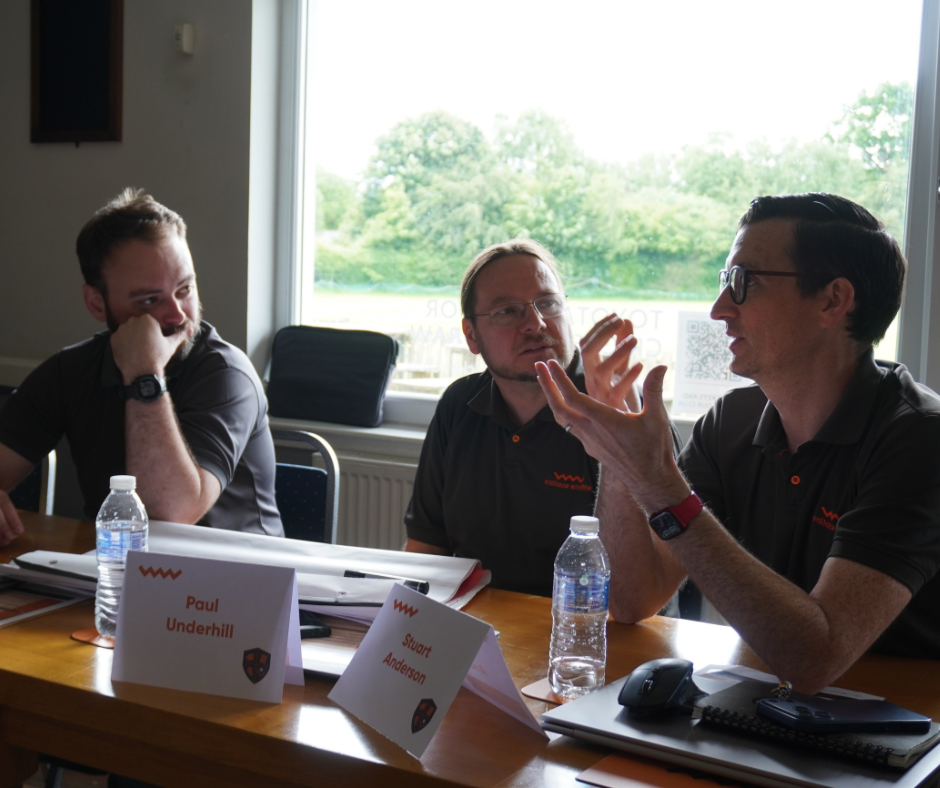
The Academy continues to play a vital role in developing our people at every stage of their careers. By creating opportunities to connect, collaborate and learn, we are not only strengthening individual capabilities but building a more aligned and forward-thinking community.
If you’re interested in being part of a business that invests in its people, you can explore our current opportunities on our careers page.

BIM Stage 2 Re-Certification
BIM Stage 2 Re-Certification
At Wallace Whittle, we are committed to delivering excellence in both our products and our services, ensuring the highest quality.
Our BIM certification process is one of the many ways we demonstrate our in-house capability to successfully deliver BIM Stage 2 projects, which fully align with the RIBA stages and industry best practices.
We’re proud to share that we’ve successfully completed our BIM Stage 2 Re-Certification Audit, conducted by BSI (British Standards Institution), for our ninth consecutive year!
This latest audit, carried out in April, reinforces our ongoing commitment to quality assurance, standardisation, and the effective implementation of our information management processes. It serves as a vital benchmark of our ability to meet industry standards and deliver high-quality outcomes through virtual construction.
The audit reviewed multiple projects across Wallace Whittle, confirming our compliance with BIM protocols and the strength of our internal standards. Our skilled digital engineers are able to apply BIM from the earliest concept stages, enabling us to visualise design intent and make data-driven decisions. Using a robust suite of in-house standards alongside advanced BIM authoring tools, we develop our designs in a 3D environment, facilitating seamless collaboration with our design partners and ensuring efficient information exchange.
This integrated approach allows our designs to transition smoothly into the construction phase, reducing on-site rework, and minimising material waste. By embedding data into our models from the outset, we empower our clients with the tools to build progressive operational datasets, laying the groundwork for comprehensive digital asset management and a full project audit trail.

Over the two-day audit, the auditor demonstrated meticulous attention to detail, thoroughly reviewing evidence to confirm the consistent implementation of our BIM processes across multiple projects. The feedback was overwhelmingly positive, particularly highlighting the strength of our BIM Standards, and the clarity of our process documentation.
Paul Hargreaves, Associate Director & Academy Manager, Paul Underhill, Associate BIM Technician, and Andrew Masson, Senior BIM Technician, were instrumental in the success of the audit, which also involved Raymond Kelly, our Quality and Standardisation Manager & Associate Director. Their deep understanding of our systems and processes, along with their ability to efficiently guide the auditor to relevant evidence, played a key role in achieving such a positive outcome.
“Our processes are the principles on which the successful delivery of our projects is based. For an external auditor to review our documentation & project delivery and pass us for this accreditation is testament to the hard work of our project teams in operating in line with the ISO19650 industry standard.” Paul Underhill shared.

Wallace Whittle has once again achieved BIM Stage 2 re-certification, marking another successful year of upholding our commitment to quality.
This accomplishment reflects the collective effort of our entire team and underscores our commitment to maintaining high standards, delivering quality outcomes, and consistently applying BIM processes with precision across all projects.
“Achieving BIM Re-Certification following the 2-day Audit by BSI once again demonstrates our commitment to delivering quality of product, quality of service, standardisation, and consistency across all aspects of the business. A lot of credit must go to our BIM leads, Andrew and Paul, who demonstrated to the auditor how effectively we’re applying these processes in practice.” shared Raymond Kelly.
To learn more about our BIM processes or industry accreditations, reach out to Raymond Kelly our Quality & Standardisation Manager at [email protected]

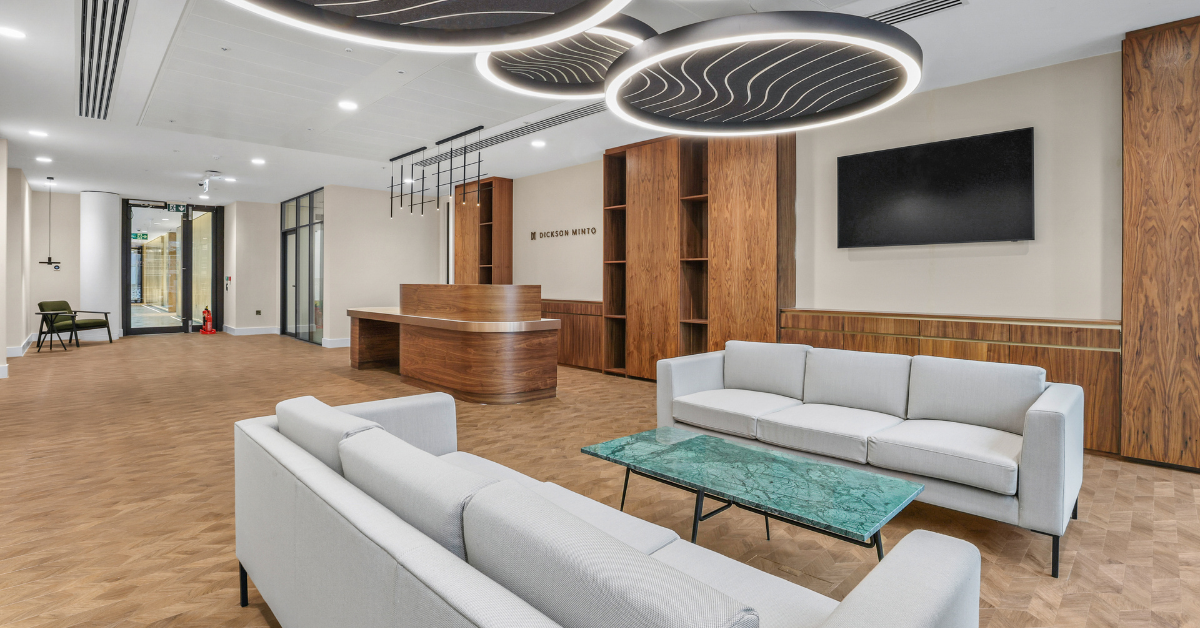
5 Years. 25 Fit-Outs. 500,000ft2. One Growing Edinburgh Team
In five years, a lot can change…
What began as a small team of three in our Edinburgh office has grown into a team of more than thirty, delivering over 25 commercial fit-outs and transforming over half a million square feet of workspace across the city, and the country.
Since Wallace Whittle’s management buyout, this growth has been shaped not just by scale, but by a shift in how workplaces are designed, delivered and experienced. Today, our Edinburgh team creates spaces that balance performance, sustainability and the needs of the people who use them every day.
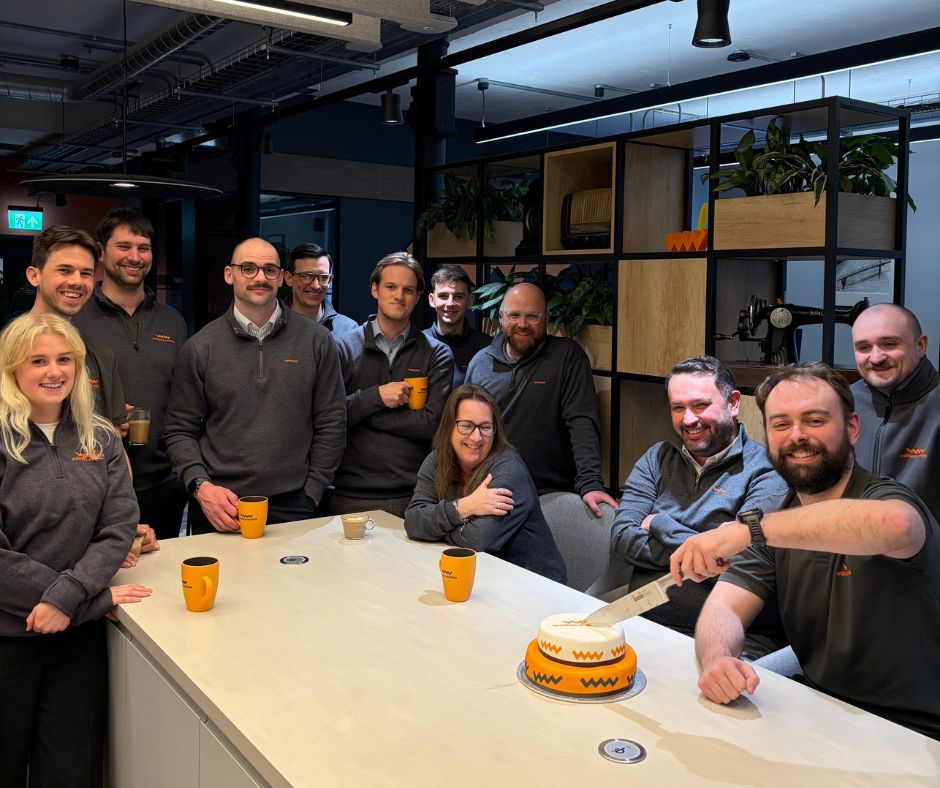
Over the past five years, the Edinburgh team has delivered over 25 fit-outs across the city, with commercial office space emerging as a defining area of expertise. These projects span a diverse client base but share a common goal: creating workplaces that support performance, wellbeing and long-term adaptability. From contemporary financial offices to sustainability-led headquarters, each project reflects a tailored approach, underpinned by strong technical delivery and close collaboration with clients and design teams.
“The expectations of commercial workspace have shifted significantly over the past five years. Clients are no longer just looking for functional offices, they want environments that support wellbeing, attract talent and align with their sustainability ambitions. Our role is to bring all of that together, delivering spaces that perform technically while genuinely enhancing the day-to-day experience of the people using them.” Stephen Osborne, Edinburgh Director, shared with us.
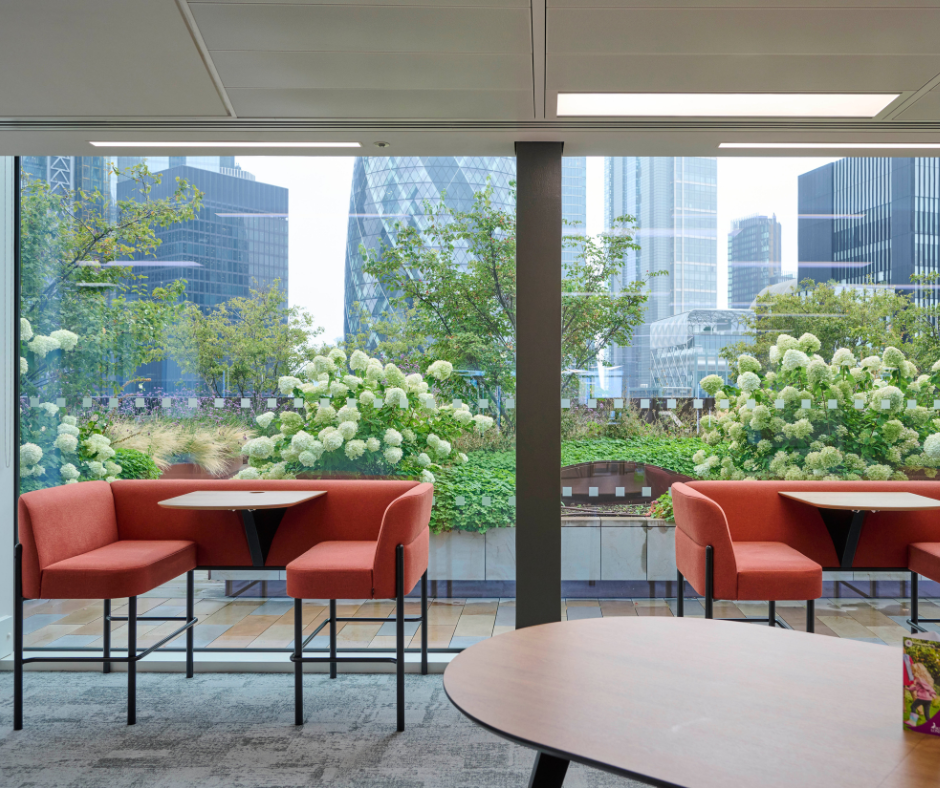
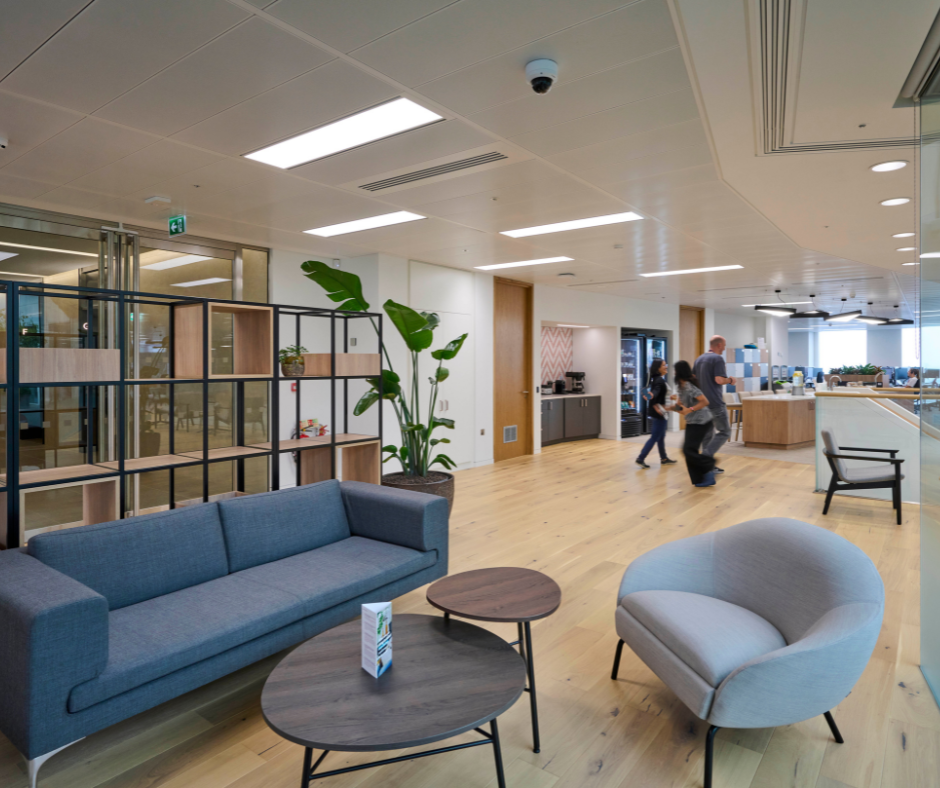
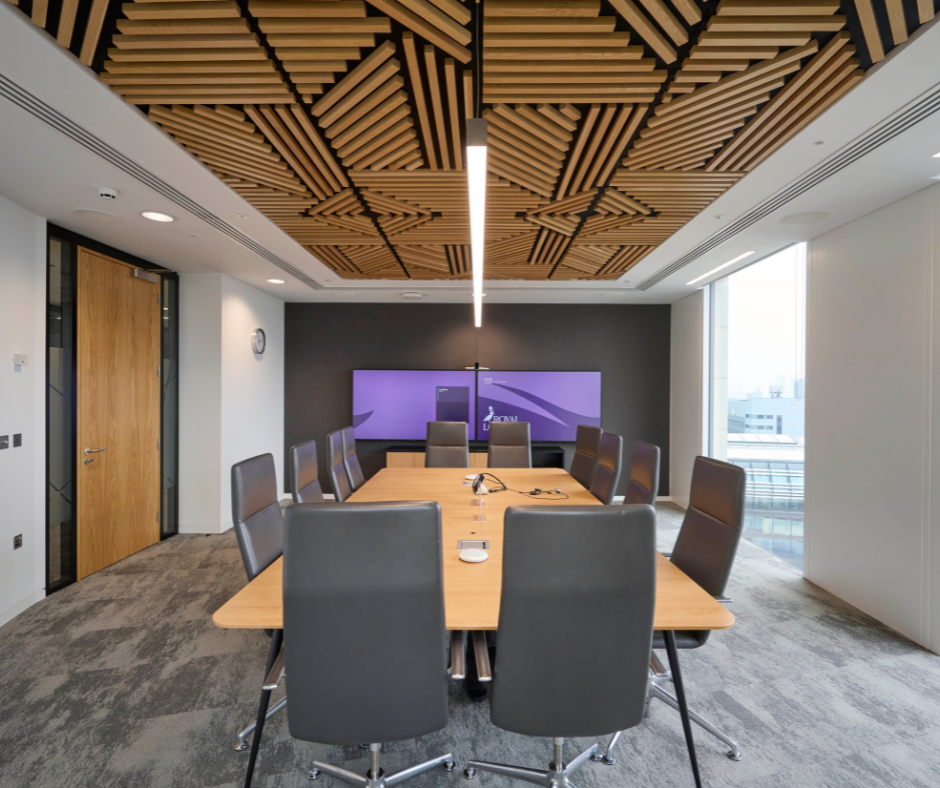
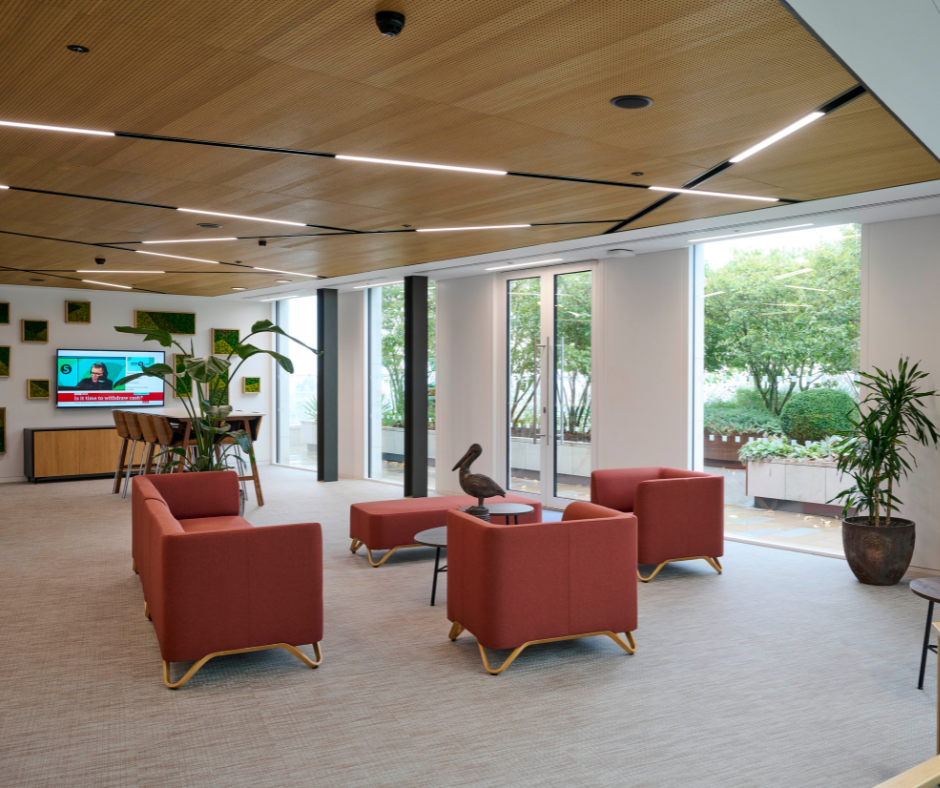
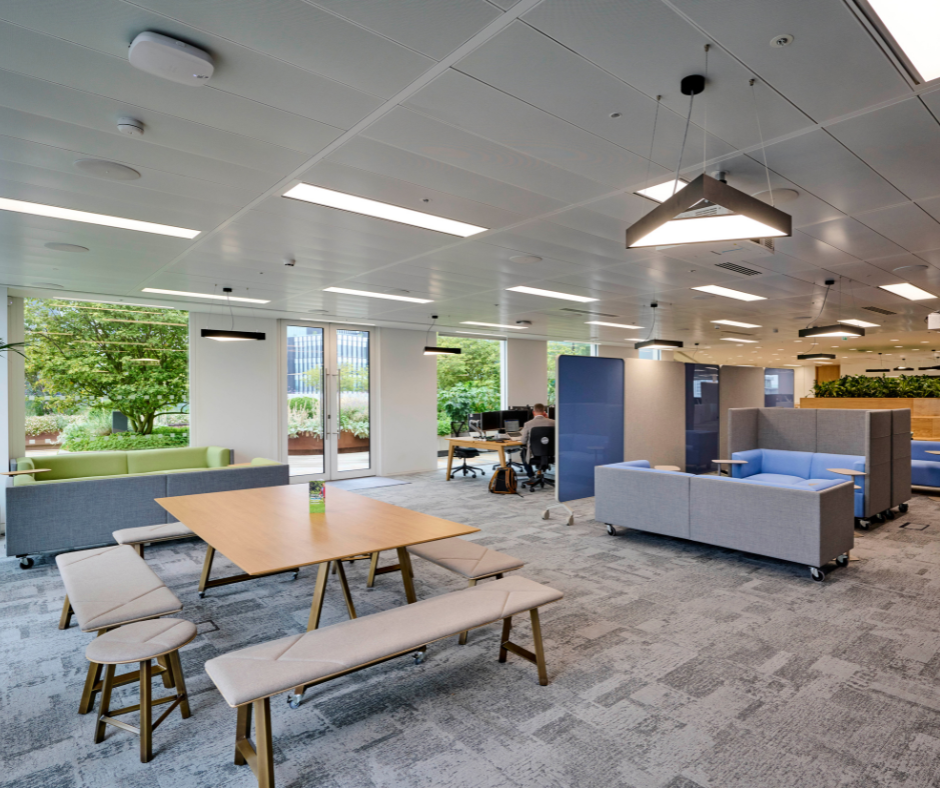
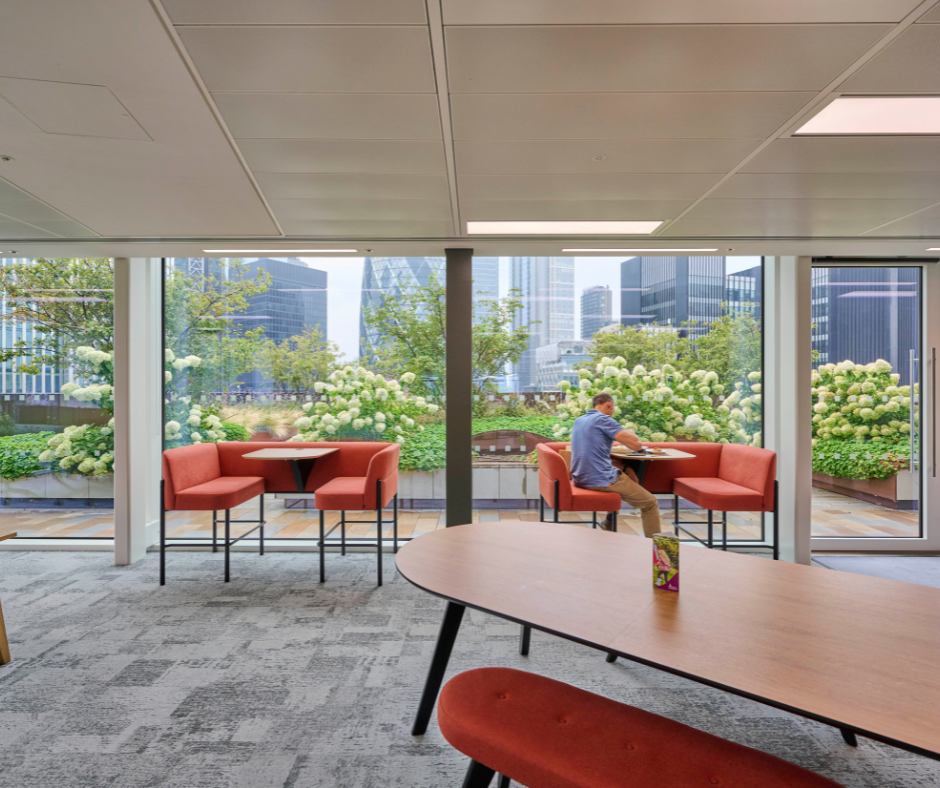
Royal London, saw the transformation of the top five floors at 80 Fenchurch Street in London into a high-quality, future-focused workplace. The space brings together staff offices, breakout areas, meeting suites and a dedicated client environment, all designed to support both day-to-day operations and wider business engagement.
Through the integration of advanced building services and alignment with BREEAM and WELL standards, the project prioritises environmental performance, air quality and user experience. Achieving an EPC rating of ‘A’ and WELL Platinum, the development reflects a holistic, sustainability-led design approach. You can read more about Royal London’s Fenchurch Street office here.
The success of the project has led to continued collaboration with Royal London, including further work within their Edinburgh office portfolio.
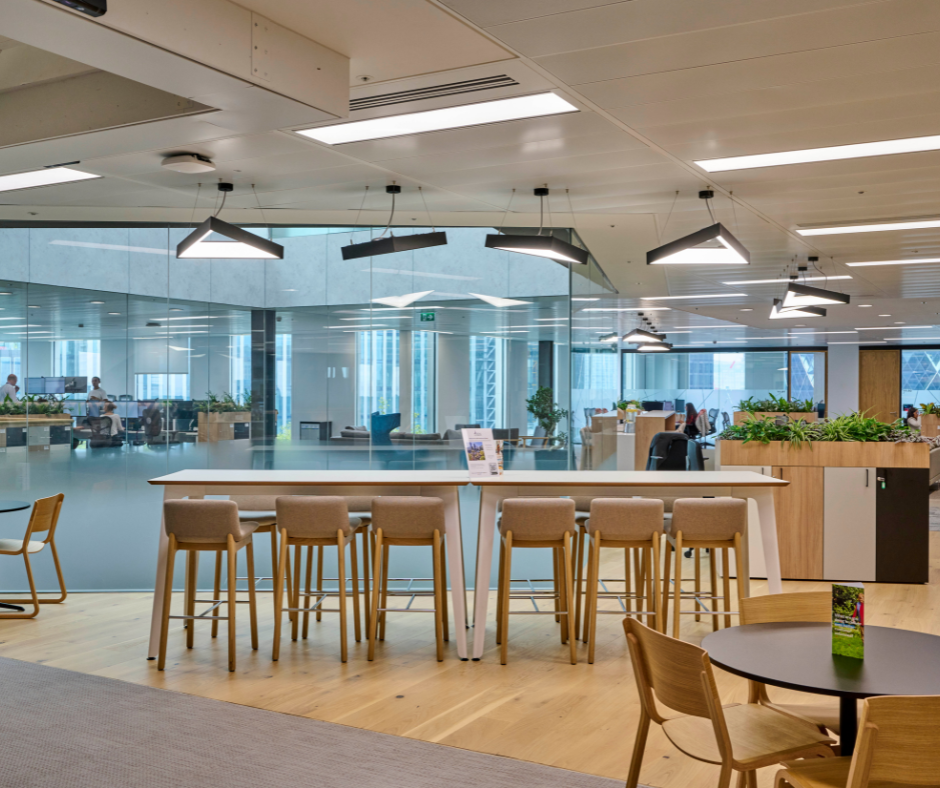
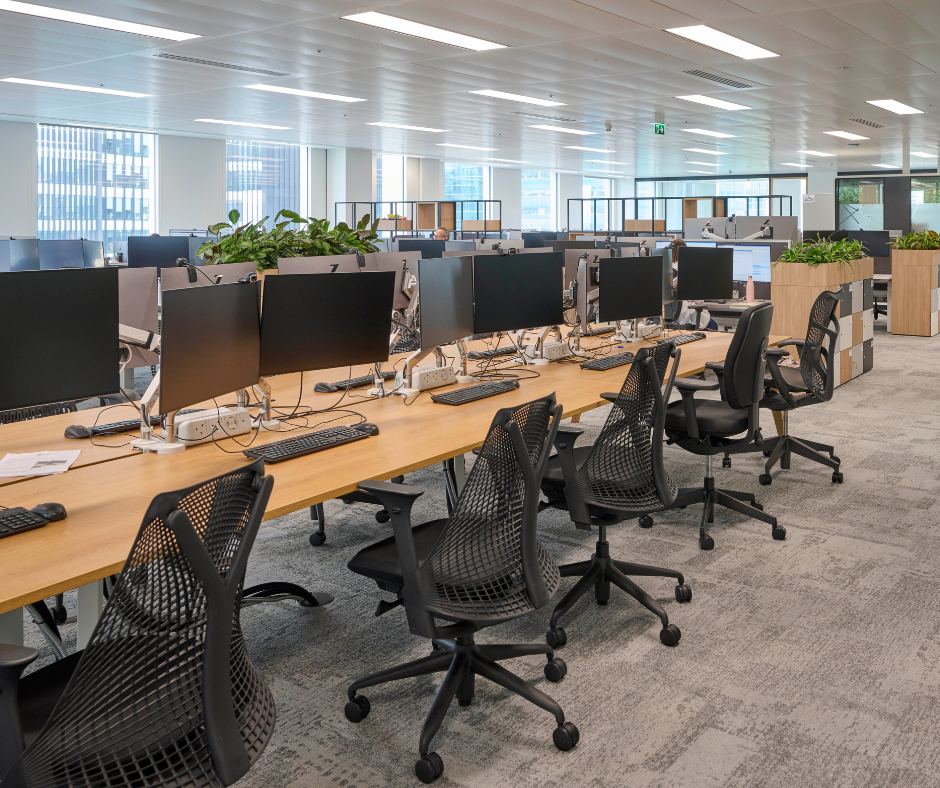
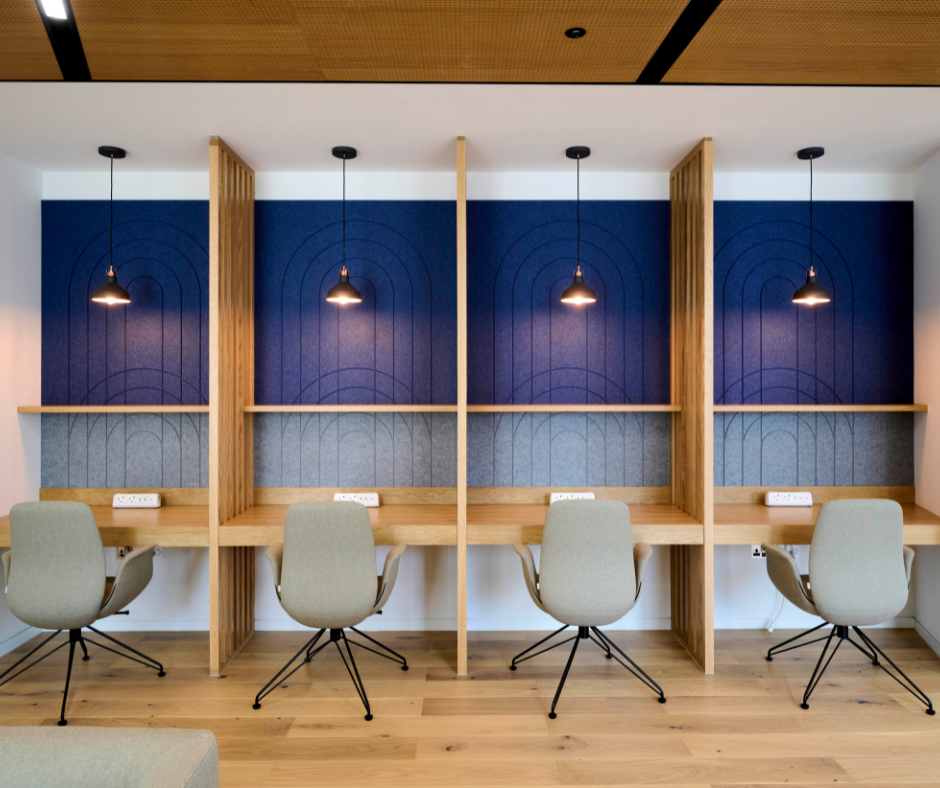
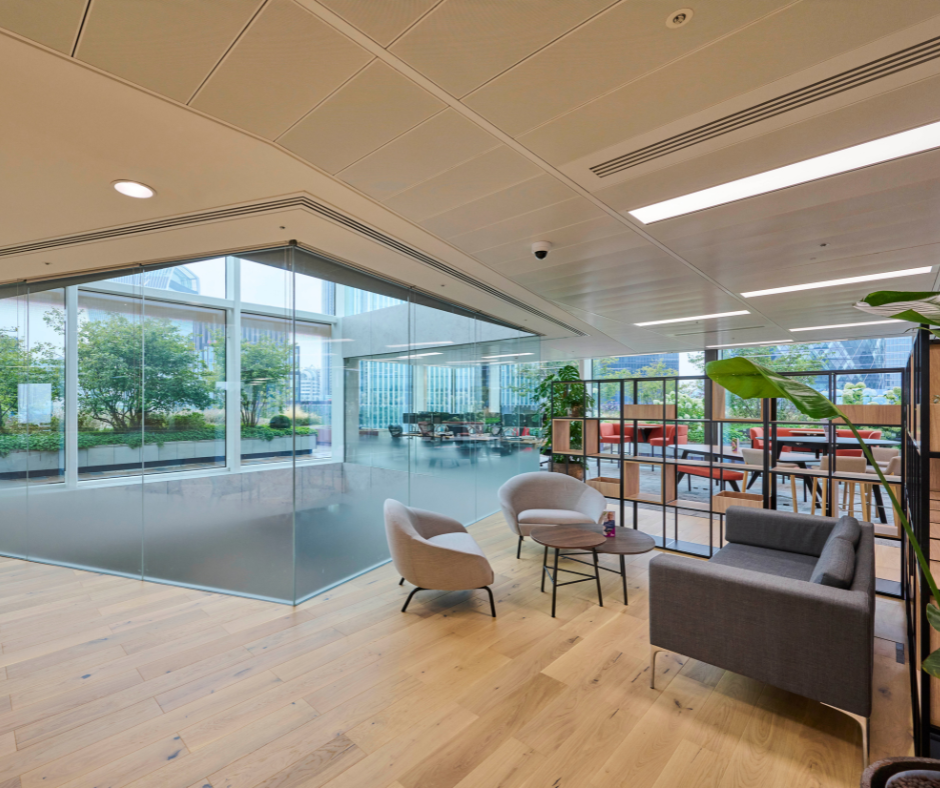
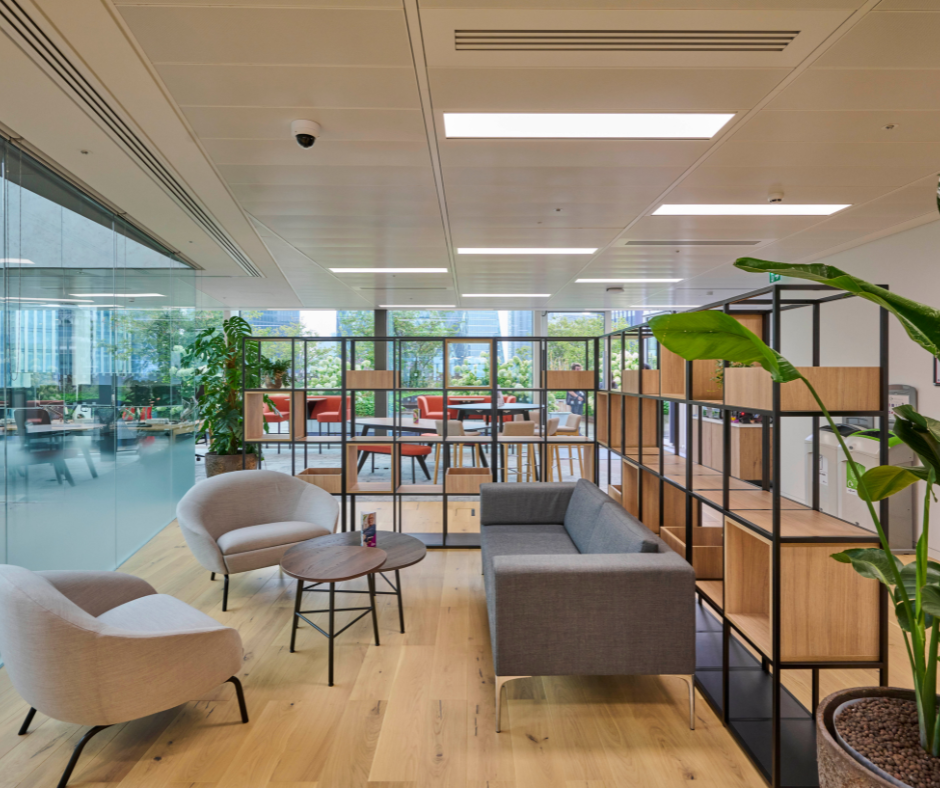
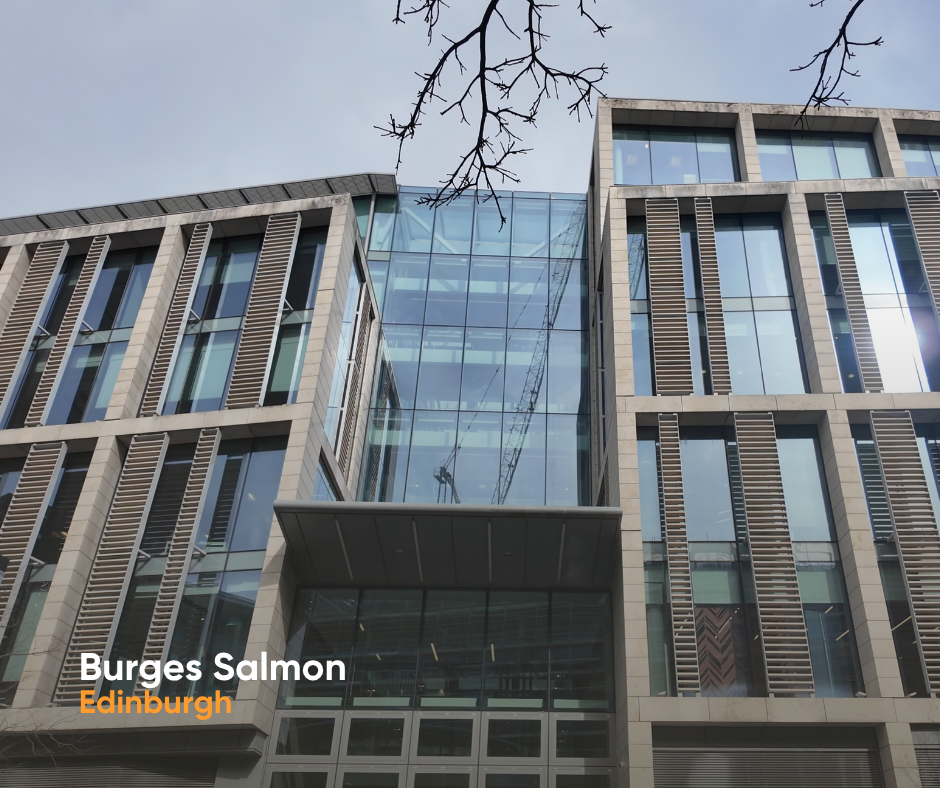
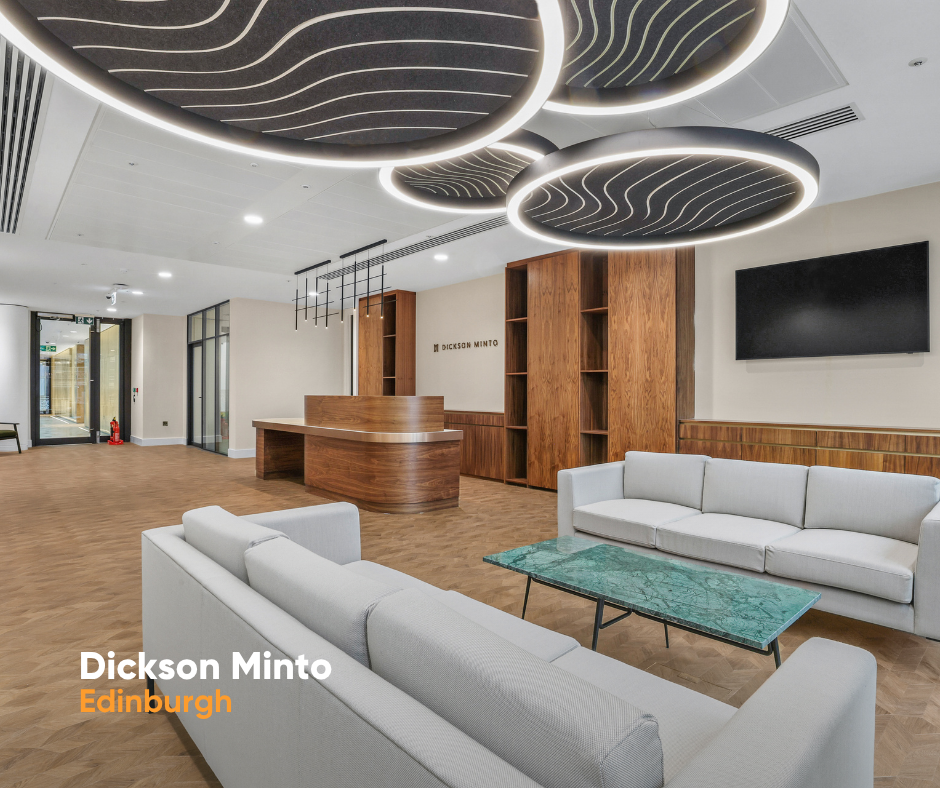
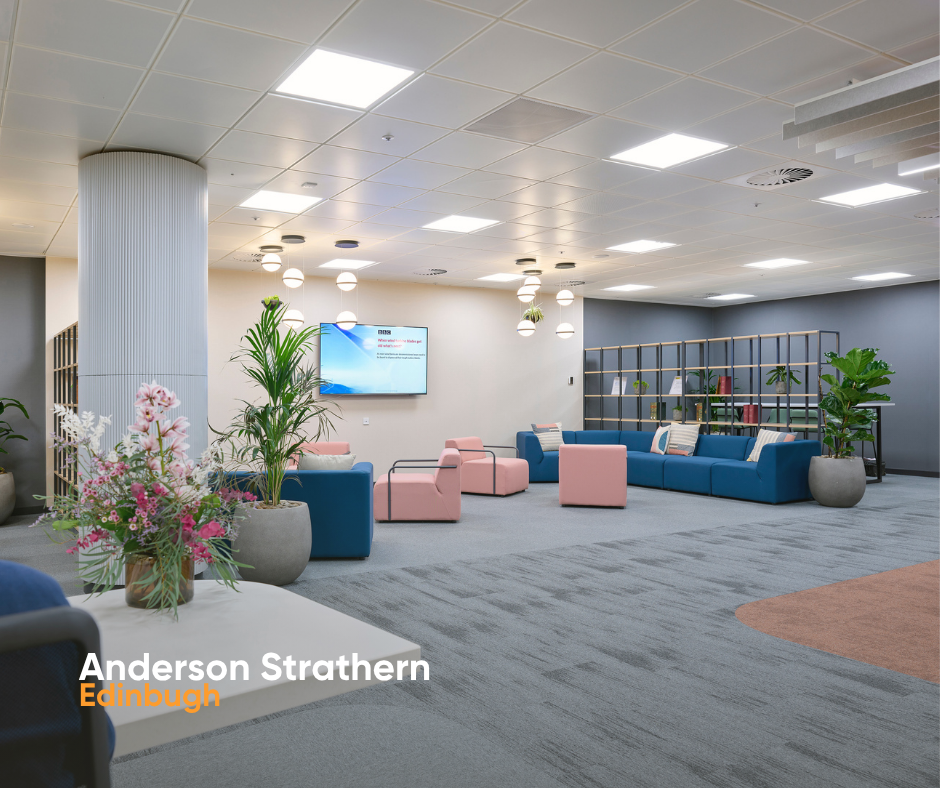
Alongside landmark projects such as Royal London 80 Fenchurch Street, our Edinburgh team has delivered a wide range of commercial fit-outs across the UK, each tailored to meet our clients’ specific needs while maintaining a consistent focus on quality, performance and sustainability. Such as:
- Virgin Money, Glasgow
- Burges Salmon, Edinburgh & London
- Rathbones, Edinburgh & Glasgow
- Edinburgh Fringe HQ
- Dickson Minto
- Anderson Strathern
- and many more…


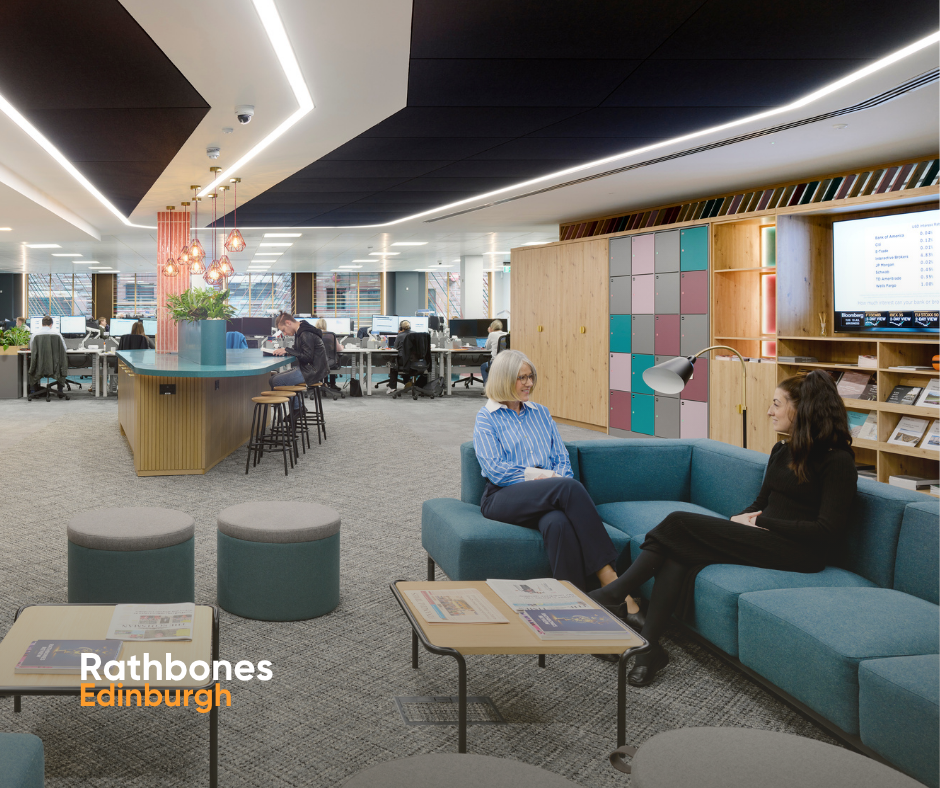
Five Years On
Reflecting on the past five years, the growth of our Edinburgh office has been shaped not only by the number of projects delivered, but by the strength of the relationships built along the way. From early commissions to repeat collaborations, our work across the commercial sector has allowed us to develop a deep understanding of what our clients need from their spaces, both now and in the future.
Operating from Thistle Street has positioned the team at the heart of Edinburgh’s commercial landscape, supporting a wide range of organisations in delivering high-quality, future-ready workplaces. The 25 fit-outs completed during this period reflect that journey, each contributing to the evolving fabric of the city and reinforcing our reputation for technical excellence and collaborative delivery.
Alongside this, the continued growth of the team will play a key role in shaping what comes next, bringing new skills, perspectives and energy that will support the delivery of increasingly complex and ambitious projects.
“What’s been most rewarding over the past five years is seeing how the Edinburgh team has grown in both size and capability. We’ve built a really strong, well-rounded group here, and that’s allowed us to take on more complex commercial projects with confidence. The quality of work coming out of the office now is a real reflection of the people delivering it.”
With a strong pipeline of work and an expanding team, we look ahead with confidence to the next chapter.
To learn more about our Edinburgh team and our commercial fit-out capabilities, please get in touch at [email protected] or reach out directly to Stephen at [email protected]
We’d be happy to discuss how we can support your next project.

New people, new projects and new profits - how the Wallace Whittle Belfast office has been shaped post-MBO.
In April 2021, Wallace Whittle went through a management buy-out. As we celebrate the five-year milestone this year, we look to our Belfast office, which has grown in size, strength and turnover.
We sat down with Location Director, Gavin and Associate, Aidan to discuss the timeline and process of this growth.

Foundations
Wallace Whittle Belfast has existed in various forms since 2006. In 2017, we made a deliberate move to re-establish a stronger Belfast office – this time with a very different ambition.
The earlier presence was perhaps best known for projects like IKEA, but this wasn’t about putting the same pieces back together. With new leadership, a new team and a broader scope of expertise, the focus quickly shifted toward more complex projects and a stronger, more consistent presence in the Northern Ireland market.
That approach has taken the office from a single desk to a well-oiled team of twelve, with turnover doubling in the past year alone.
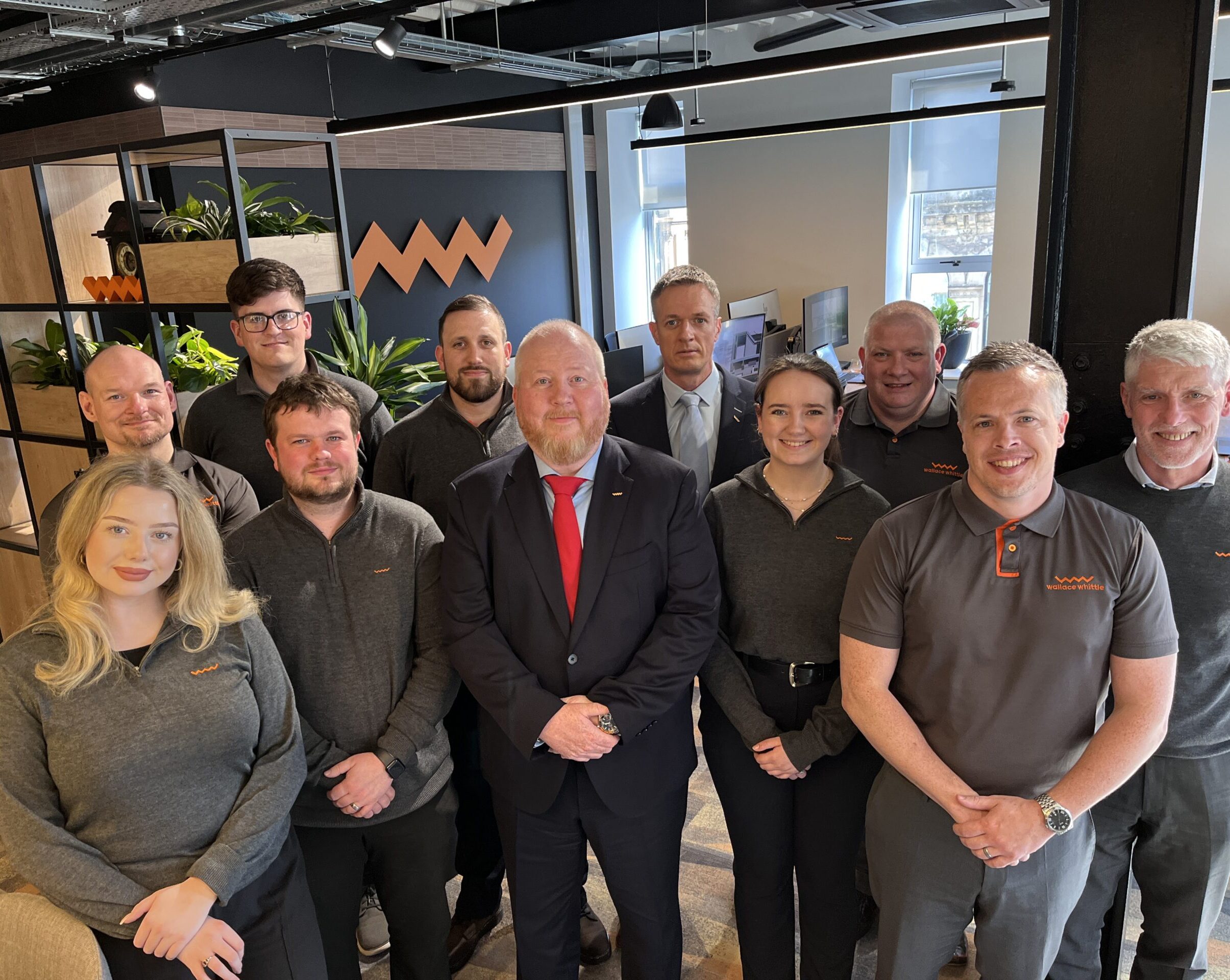
Building the Team
The re-build began with the appointment of Gavin McCausland as Location Director and Board member in 2017. For that first year, he was the Belfast office. Maurice McAnearney, Director, joined the following year, followed by Aidan Keown, Associate – forming a core team that remains in place today.
Having worked together for many years previously, they didn’t need time to find their rhythm. The trust was already there, which meant the focus could stay on getting the work right from day one.
“At the start, it was just about getting something up and running again. There wasn’t a big masterplan, it was more a case of building it properly, bringing the right people in, and making sure the work we delivered spoke for itself.” Gavin shared
There was a conscious shift early on. Rather than continuing with smaller, fragmented projects, the team set its sights on work of a different scale. Securing Dublin Airport marked a step forward – one of those jobs that signals a change, both internally and in the market. From there, framework appointments, including Department of Education projects, helped build momentum and strengthen long-term relationships.
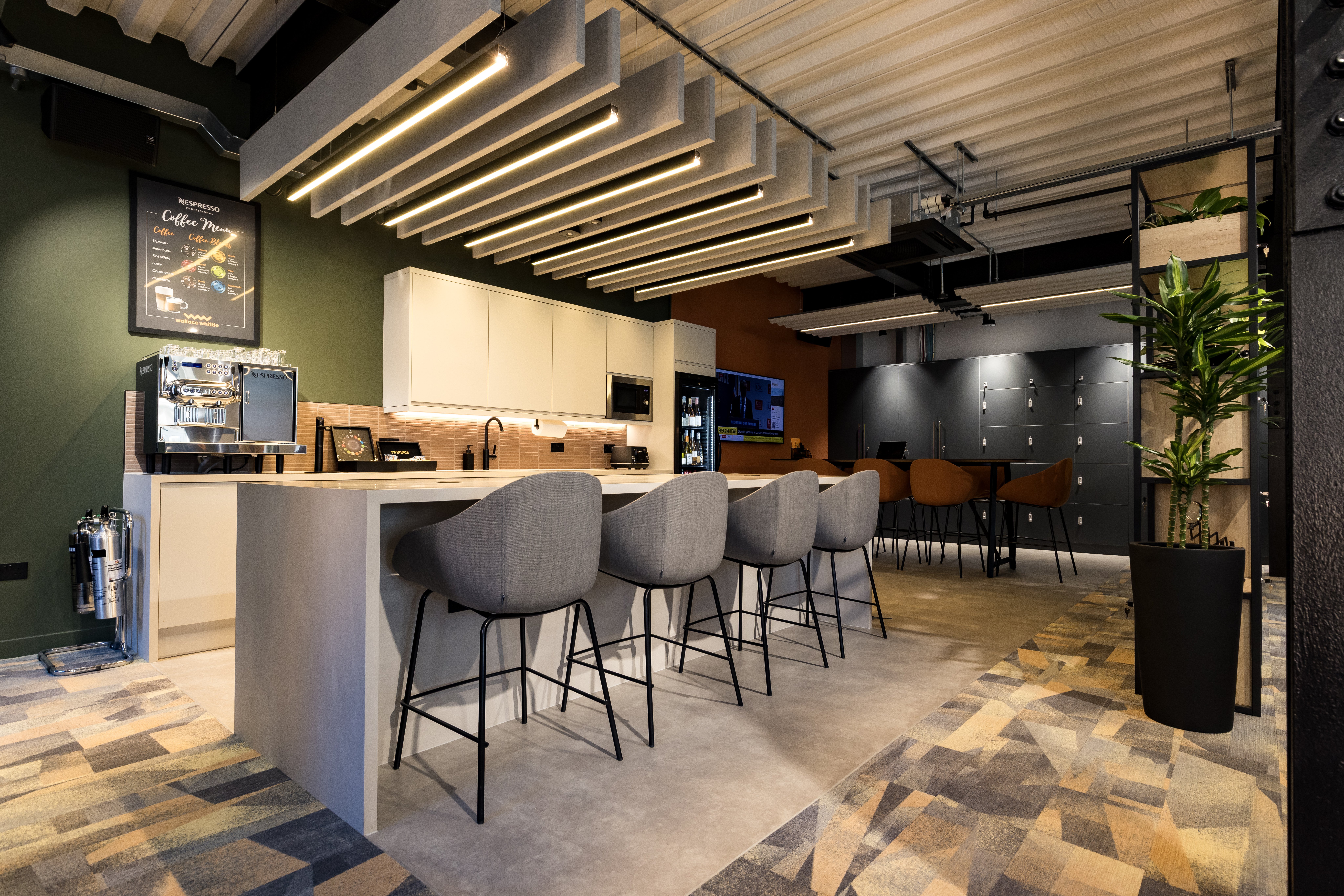
A New Home on Hill Street
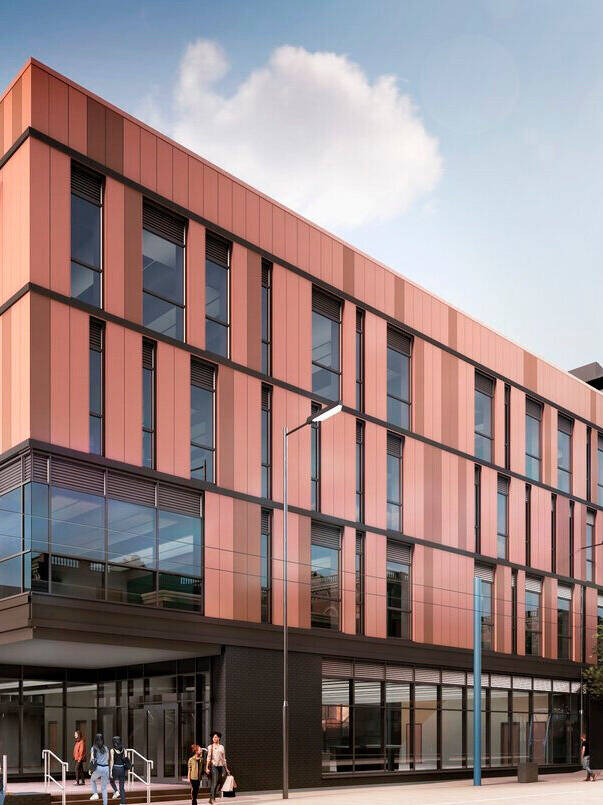
From that small founding team, Belfast has grown into a well-established office of twelve people, supported by a move into a new city centre space in May 2025.
Now based on Hill Street, the office sits in one of Belfast’s most vibrant areas. It’s a setting that suits the team – busy, connected, and with plenty going on around it.
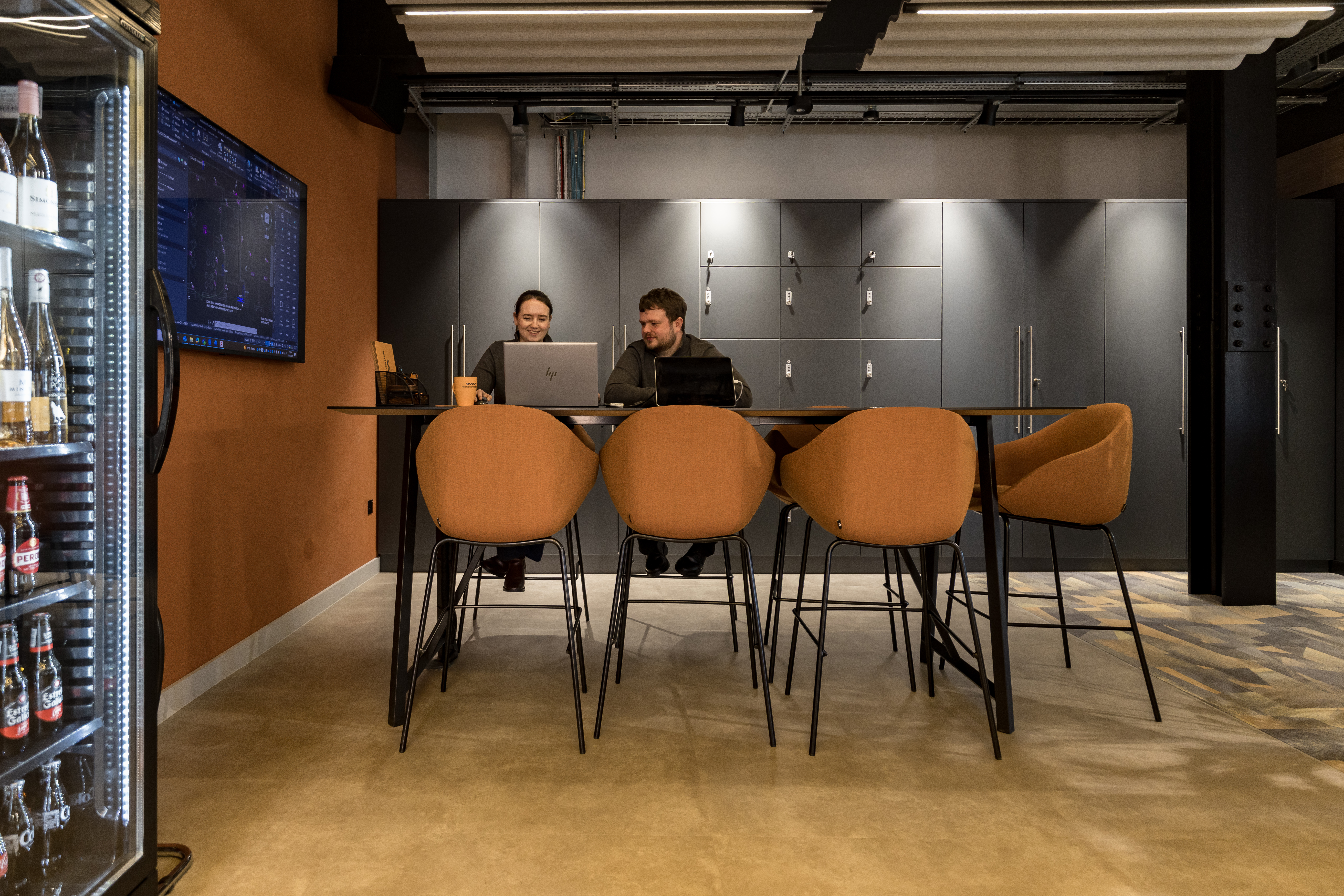
Like our other offices across the UK, the Belfast space reflects a consistent Wallace Whittle approach – creating a high-quality, flexible environment that supports collaboration and day-to-day working. It’s part of a wider investment in how we operate as a business.
That investment has already made a difference. Since relocating, both headcount and turnover have increased significantly. The growth has been steady rather than rushed, built on reputation, relationships and repeat work.
Sustainability is part of that shift as well. The city-centre location has improved access to public transport, and the building incorporates features such as photovoltaic panels and aerothermal heat pump systems. More widely, sustainability is shaping the work itself, with net zero requirements now embedded in many design briefs and driving demand for decarbonisation and retrofit projects.
Project-led Change
The change in the Belfast office is probably easiest to see in the work being delivered.
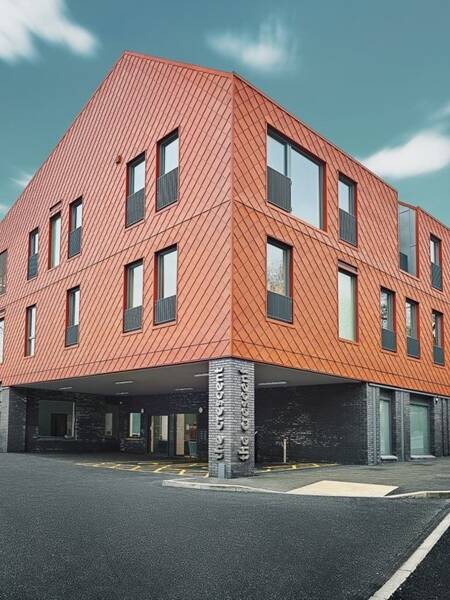
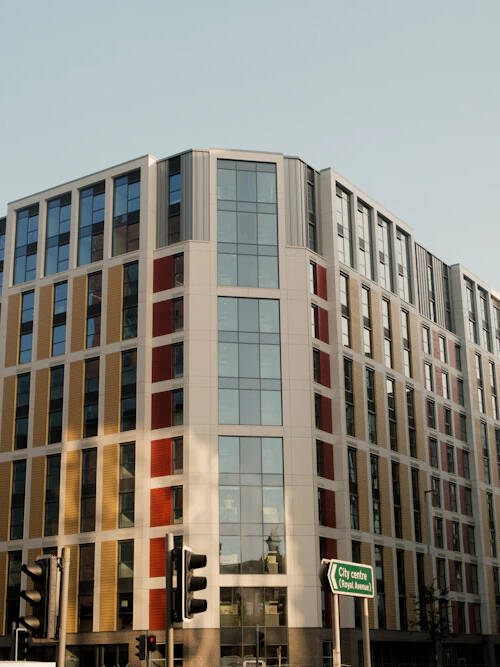
Cambridge Halls is a good example of how things have moved on – it’s a different scale of project to what the team was dealing with in the early days. The high-rise nature of this Building Safety Act high-risk, multi-building, 2400-bedroom purpose-built student accommodation, complete with a full BSR gateway submission, changed the scale of major projects the team was able to deliver. At the same time, developments like the award-winning Paradise SE11 commercial office development in London show where things are heading, particularly around low-carbon design and timber construction.
“Dublin Airport was probably the point where it felt like things were moving in the right direction. Since then, the work’s changed, the scale’s changed, but the approach hasn’t – we just focus on doing a good job and build from there.” Gavin shared.
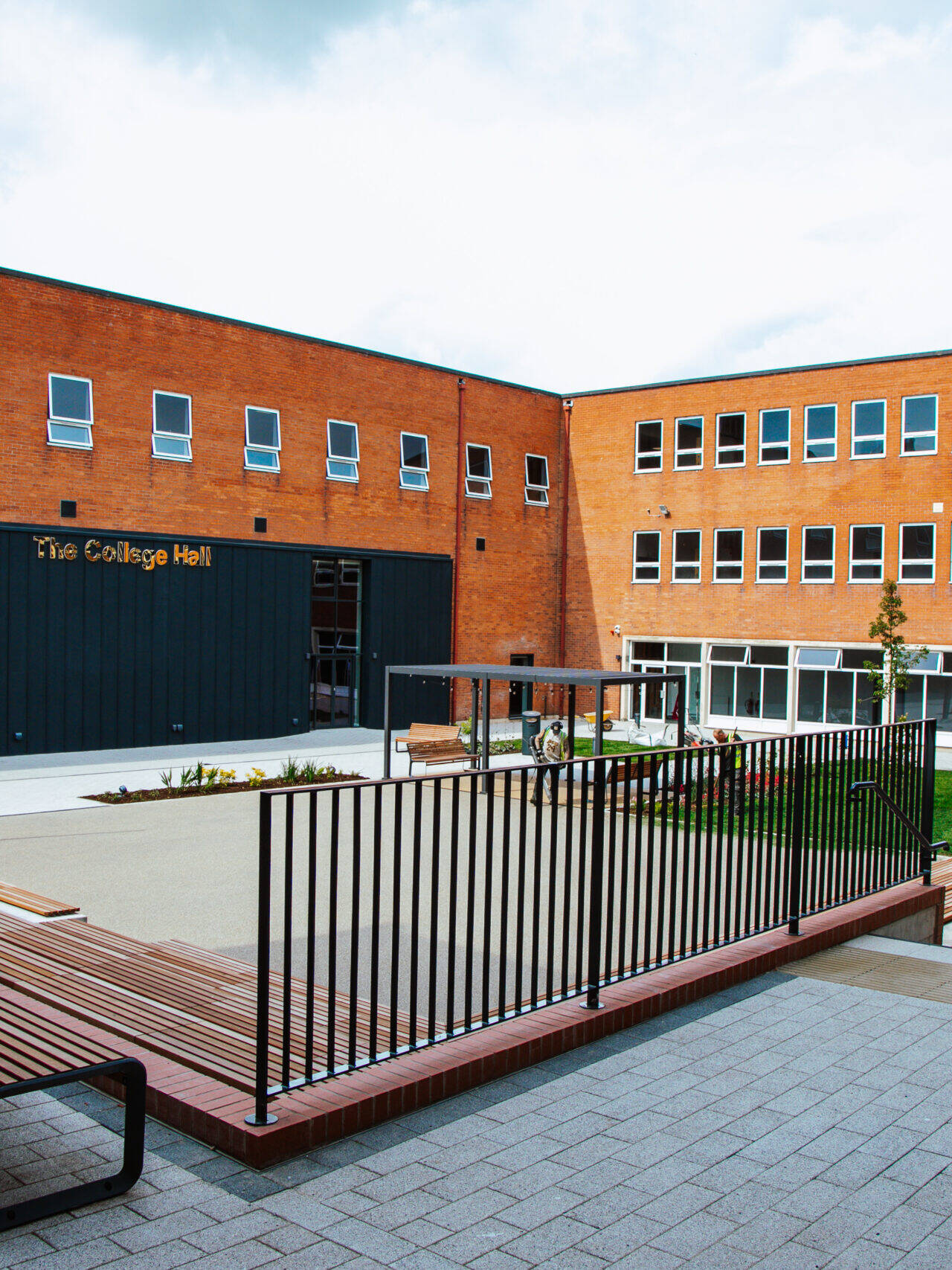
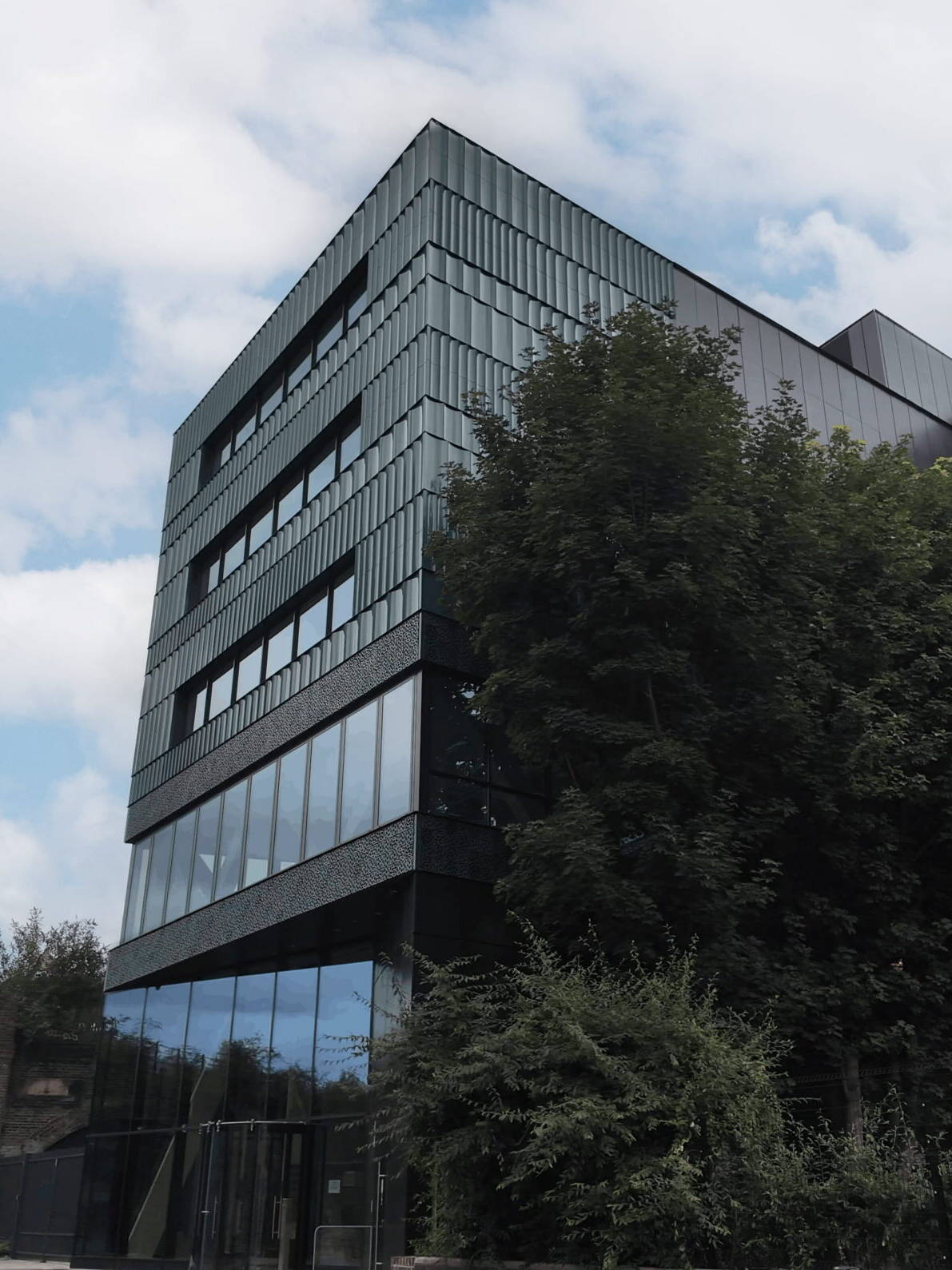
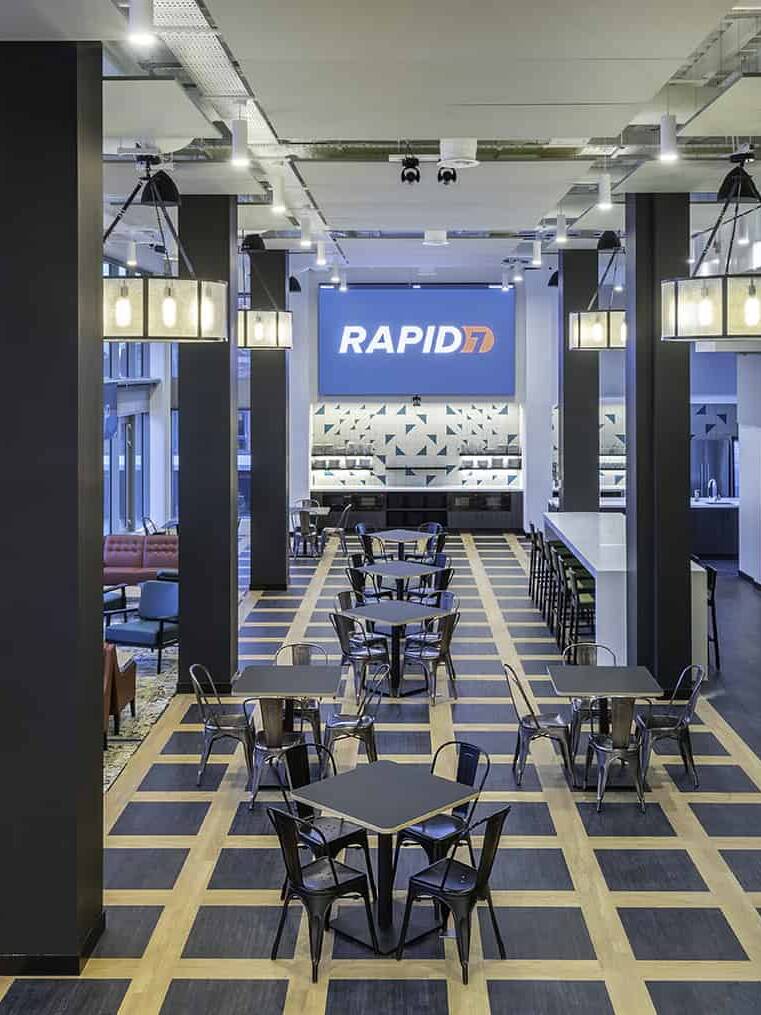
Since that early milestone, the portfolio has broadened across sectors. Projects such as DVA Headquarters, the new benchmark MOT Test Centre, Wolverhampton Learning Quarter and Rapid7 Belfast reflect a team that’s comfortable working across different types of work, adapting to different challenges as they come.
That approach has naturally opened up new opportunities. The team has expanded its presence in sectors such as student accommodation, commercial development, particularly retrofit and decarbonisation, alongside further and higher education and urban realm projects.
Some projects lean more technical, particularly where Passivhaus or tighter sustainability targets are involved. Others are more about the relationships behind them. There’s a core group of architects and contractors the team continues to work with, and that consistency says a lot about how the Belfast office operates, reflecting the wider Wallace Whittle ethos.
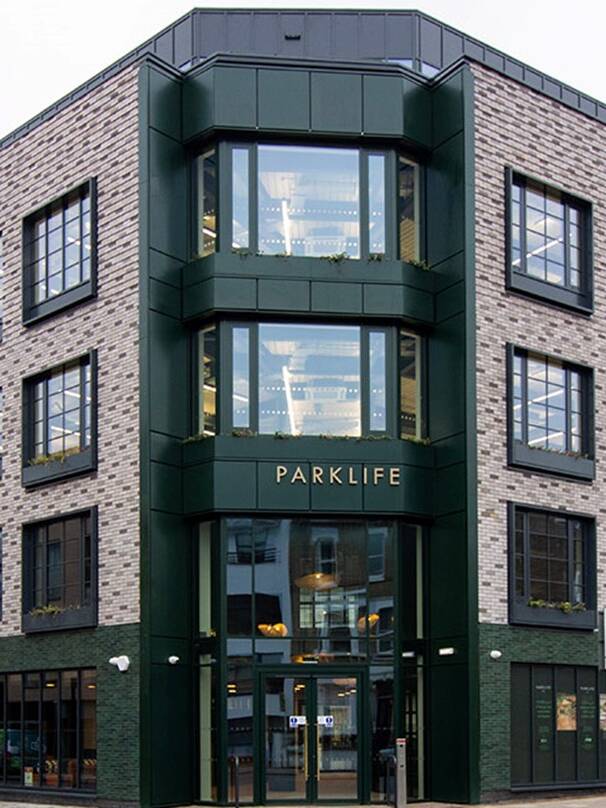


Working in the Belfast Market
Operating in Northern Ireland comes with its own dynamics. The talent pool is smaller, and at times political uncertainty has had an impact on project pipelines. But those challenges have helped shape a more focused and considered approach.
However, being part of a wider business is a clear advantage. The Belfast team draws on experience from across the UK and Ireland, bringing added depth to what it can offer locally. Access to Wallace Whittle’s UK-wide Sustainability team supports that further, combining specialist expertise with the agility of a regional office.
There’s also a particular way of working that suits the market. In an environment where contractors are known for being pragmatic and delivery-focused, the Belfast team operates in much the same way – responsive, straightforward, and focused on getting things done.
That carries through internally as well Gavin shared,
“It’s a small team, so everyone has to pull together. There’s no real ‘that’s not my job’ attitude – if something needs to be done, people just get on with it. That’s probably been one of the biggest strengths as we’ve grown.”
It’s not something that’s enforced – it’s just how the team works. That approach creates a collaborative environment where workloads are shared, and support is readily available. No one is left carrying too much on their own, and that balance has been a key factor in sustaining growth without compromising quality.
Developing Talent for the Future
With a limited recruitment pool, developing talent has become a key focus – not just for Belfast, but across Wallace Whittle.
That’s reflected in how the team is growing. Aidan Keown has recently been promoted to Associate, alongside Nick Hawthorne, showing the progression that’s possible within a developing office.
Apprentices play an important role. Through the Wallace Whittle Academy, the team is supporting early-career engineers as they build their experience, helping to create a pipeline for the future. A wider business initiative supports this, making it easier for offices to bring in apprentices and invest in long-term development through a ‘buy one, get two free’ approach where Head Office covers apprentice costs.
The Belfast team is also building stronger links with schools and universities, including Methodist College Belfast, Ulster University and Queen’s University – helping to raise awareness of engineering careers and connect with emerging talent.
Looking Ahead
The next phase for Belfast is about continuing what’s already working – quality of product & quality of service.
Growth is very much part of the plan, with the team expected to expand alongside a steady pipeline of work across healthcare, life sciences and decarbonisation. At the same time, being part of a wider business provides a strong platform, with access to experience across the UK and Ireland as projects continue to grow in scale and complexity.
That connection works both ways. Strong relationships with Irish contractors, many of whom operate across the UK, mean Belfast is well placed to support opportunities beyond Northern Ireland, particularly as we continue to grow our presence in England.
“The aim now is to keep growing, but not for the sake of it. It’s about bringing the right people in, doing the right projects, and making sure we don’t lose what’s worked well so far.” Gavin said.
There are still challenges, particularly around access to talent, but the approach is already in place: invest in people, build long-term relationships, and grow at a pace that doesn’t compromise quality.
From a single desk in 2017 to a well-established team less than a decade later, the progress is clear. Just as important is that the mindset hasn’t changed.
The focus is still on doing good work, working well together, and building something that’s going somewhere.
This marks another exciting step in Wallace Whittle’s growth journey as we continue to expand our capabilities and strengthen our presence across the UK.
Reach out to Gavin at [email protected] to discuss your next project.
Careers in Belfast


Whole Life Carbon Assessment: Turning Carbon Data into Better Design Decisions
WWith growing pressure to reduce carbon across the full lifecyle of buildings, Whole Life Carbon Assessments (WLCA) have shifted from being a post-design specialist add-on exercise to a fundamental design tool which directly informs design decisions, material choices and construction strategies. We spoke to Collin Campbell, Senior Sustainability Consultant, about some of the barriers holding back the adoption of WLCA.
As the built environment comes under increasing pressure to meet ambitious net-zero targets, understanding the full carbon impact of buildings and their construction is essential. Whilst much of the industry has traditionally focused on operational emissions, attention and concern is shifting towards the carbon associated with materials, construction, maintenance and the end-of-life. This is where Whole Life Carbon Assessments play a critical role.
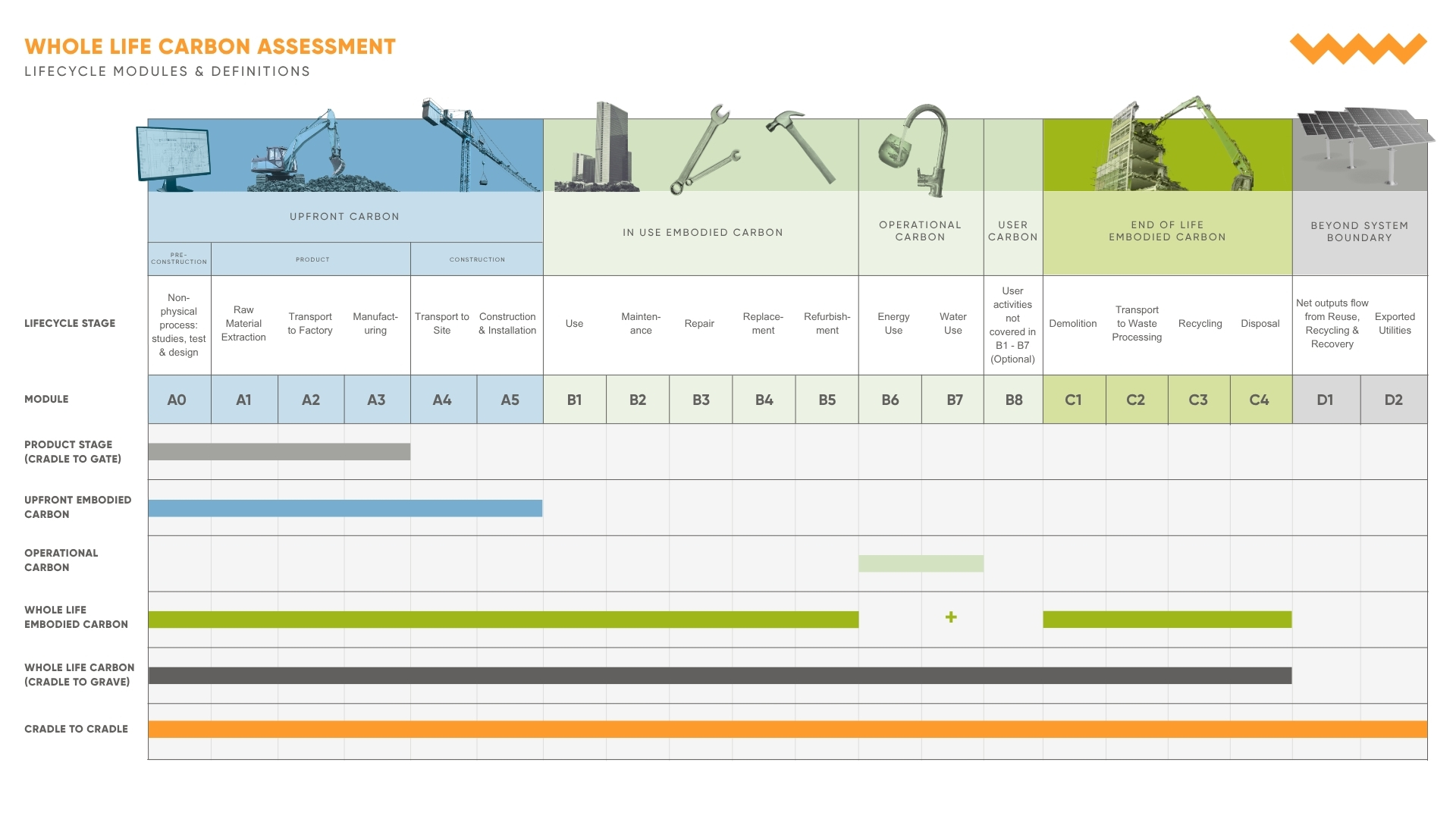
WLCA is a methodology used to measure the total carbon emissions of a building across its entire Lifecycle, from the extraction and manufacturing of materials, through to the construction and operation, to the eventual demolition and disposal.
“As Sustainability Consultants, we’re experts at assessing carbon and driving evidence-based decision making. We’ve undertaken Whole Life Carbon Assessments for complex residential, commercial, education and healthcare projects, supporting engineers and design teams to achieve measurable, long‑term carbon reductions.” Collin shared.
Why WLC Matters Now
While awareness of carbon in the built environment has grown significantly, the scale of the challenge is still often underestimated. The sector is responsible for approximately 25% of the UK’s total greenhouse gas emissions (UKGBC), making it critical that we tackle this and focus on the transition to net zero. Addressing both operational and embodied carbon, is essential in meeting the UK’s climate targets, including those set out in the Climate Change Act, and the 2050 net-zero commitment.
In response, government and industry have made it clear that partial approaches to carbon are no longer sufficient, and reducing carbon across the full lifecycle of buildings is critical to credible net zero delivery. Initiatives such as the Construction 2025 strategy have highlighted the need to tackle emissions across the construction sector, while organisations including RIBA and the UK Green Building Council continue to emphasise the importance of embodied carbon within a building’s overall impact.
Despite this, embodied carbon is still often less understood, less prioritised, and less consistently measured than operational emissions. WLCA is still inconsistently applied across projects and treated as more of a compliance exercise rather than a design benefit. As a result, key opportunities to reduce carbon can be missed, especially when decisions are made later in the design process. This is where Whole Life Carbon Assessments become increasingly important, as they provide insight needed to understand where emissions occur and enable more proactive and informed decisions from the get-go.
WLCA at WW
Wallace Whittle supported Royal London in the transformation of its Edinburgh headquarters at 1 Thistle Street, delivering a robust RIBA Stage 3 and 4 embodied carbon assessment to inform an ambitious sustainability strategy. The scheme sensitively combines refurbishment with new-build elements to create a high-quality, future-ready workplace, while reducing overall environmental impact.
Through detailed carbon modelling and close collaboration with the wider design team, the development is on track to achieve a low upfront embodied carbon figure, demonstrating that strong sustainability outcomes can be delivered alongside commercial and operational performance.
How WLCA Works in Practice
While Whole Life Carbon Assessment provides a picture of a building’s carbon impact, its real value lies in how it is applied throughout the design process. Rather than acting as a retrospective calculation, WLCA is most effective when embedded early, ideally at concept stage, as this is where it can meaningfully influence decisions.
At its core, WLCA brings together data from across a building’s lifecycle, allowing the carbon impact of different materials, systems and construction approaches to be assessed. Applied with the same rigour as any other engineering discipline, it provides robust, data-driven insights to guide design decisions. This enables meaningful comparisons between design options, helping to identify where emissions are highest and where reductions can be made. This allows for comparisons between design options and identifies where emissions are highest and where reductions can be made.
In practice, this is often realised through a hierarchy of design decisions; prioritising the reuse of existing assets where possible, optimising structural design, selecting lower carbon materials, and improving construction efficiency. These decisions, again, are most impactful when made early, where there is greater flexibility to shape the design without significant cost or programme implications.
WLCA can also help to highlight trade-offs. For example, the lowest embodied carbon option is not always the most effective over the full lifecycle of a building, and a whole life approach ensures that decisions are balanced across both embodied and operational performance.
What’s Holding WLCA Back?
The adoption of Whole Life Carbon Assessments across the industry has been relatively slow. While awareness is increasing, there continues to be several barriers that limit its widespread application.
“One of the most significant challenges is the mindset, particularly the industry’s continued focus on short-term costs over long-term value. Whole life carbon considers the performance of a building over its entire lifecycle, often spanning 60 years or more. While this approach can deliver both carbon and cost savings over time, decisions are still frequently driven by upfront capital expenditure, making it more difficult to prioritise longer-term outcomes.”
There is also the challenge of navigating an increasingly complex and crowded sustainability landscape. With a growing volume of guidance, tools, and competing narratives, it can be difficult for clients and design teams to identify clear, reliable approaches. This is further complicated by the presence of greenwashing, which can undermine confidence and make it harder to distinguish between meaningful carbon reduction strategies and those that offer limited real impact.
“Focusing solely on reducing embodied carbon does not always lead to the best overall outcome, and without a whole life perspective, there is a risk of overlooking important trade-offs across a building’s lifecycle.” Collin shared.
Together, these challenges highlight that while the industry is moving in the right direction, there is still work to be done to embed Whole Life Carbon Assessment as a standard part of the design and decision-making process.

As the industry continues to navigate the transition to net zero, a more holistic approach to carbon assessment is no longer optional. Whole Life Carbon Assessment provides the insight needed to move beyond isolated decisions and instead consider the full impact of a building across its entire lifecycle.
However, the value of WLCA is only fully visible when it is embedded early in the design process. By considering carbon from the outset, project teams are better positioned to influence key decisions around materials, systems, and construction methods.
At Wallace Whittle, whole life carbon thinking is becoming an integral part of how we approach projects, from PBSA developments to residential schemes. By engaging early, we support clients and design teams to make informed, balanced decisions that reduce carbon. Early sustainability engagement can also have benefits for cost and performance. Through a collaborative and practical approach, we aim to simplify complexity and turn carbon ambition into tangible, measurable outcomes.
If you’d like to learn more about Whole Life Carbon Assessment or explore how our sustainability team can support your project, we’d be happy to hear from you. Get in touch at [email protected]
BSI. (2023). PAS 2080:2023 Carbon Management in Infrastructure. [online] Available at: https://www.bsigroup.com/en-GB/insights-and-media/insights/brochures/carbon-management-in-buildings-and-infrastructure/.
RICS (2024). Unlocking sustainability: exploring RICS’ whole life carbon assessment (WLCA) standard. [online] Available at: https://www.rics.org/profession-standards/rics-standards-and-guidance/sector-standards/construction-standards/whole-life-carbon-assessment/unlocking-sustainability-exploring-rics-whole-life-carbon-assessment-wlca-standard.
UKGBC (2023). Climate Change Mitigation. [online] UKGBC. Available at: https://ukgbc.org/our-work/climate-change-mitigation/
UK Net Zero Carbon Building Standard. (2026). [online] nzcbuildings.co.uk. Available at: https://8f2d86b0-7c72-4129-a02b-72f5adfae419.filesusr.com/ugd/790941_f53e6b4b6dc04fd3aeb4b122a1b95b15.pdf.
Whole life carbon assessment for the built environment. (2024). [online] RICS Professional Standard. Available at: https://www.rics.org/profession-standards/rics-standards-and-guidance/sector-standards/construction-standards/whole-life-carbon-assessment.
Whole Life Carbon Management Handbook for the Built Environment. (2026). [online] National Infrastructure & Service Transformation Authority. Available at: https://assets.publishing.service.gov.uk/media/69a81a47b9bd90e63a252292/NISTA_WLC_Management_Handbook_2026.pdf.

Collin Campbell
Senior Sustainability Consultant