

Can HTM‑Led Assurance Redefine Hospital Delivery? Lessons from Wallace Whittle’s UK-wide Experience

The landscape of hospital delivery is shifting rapidly. No longer can critical considerations like clinical risk, digital integration, and sustainability be treated as “add-ons” to be addressed at the end of a design; today, they must shape the brief from day one.
At Wallace Whittle, our UK-wide healthcare experience has shown us that HTM-led assurance has become the essential foundation for navigating these complexities. By treating Health Technical Memoranda (HTMs) as the living “backbone” of the engineering process rather than a mere administrative checklist, we ensure that safety, operational resilience, and net zero ambitions are woven into the very fabric of modern clinical environments.
HTMs The backbone of how healthcare buildings are engineered
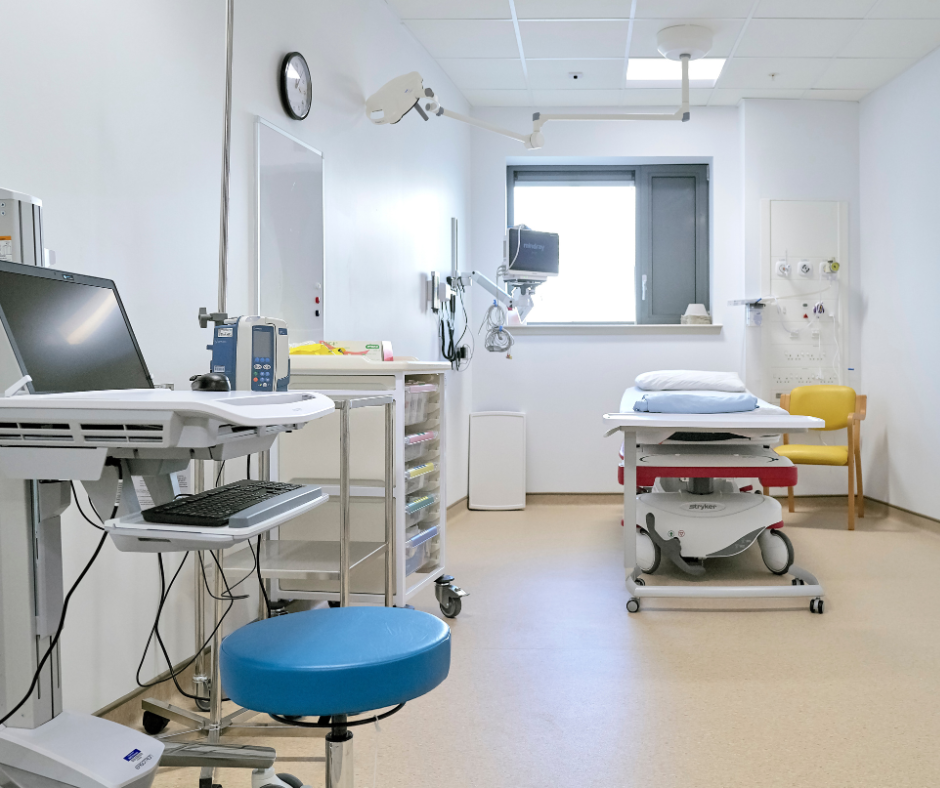
Health Technical Memoranda (HTMs) form the foundation of how healthcare environments are designed, delivered and operated across the UK. Developed by NHS England, they represent the most comprehensive set of engineering guidance in the sector, setting out not just what systems are required, but how they should perform, integrate and be maintained over time.
They span every critical aspect of a hospital’s infrastructure, from ventilation and infection control to water safety, medical gases, electrical resilience, and fire strategy. Importantly, HTMs go beyond technical compliance. They embed clinical risk management into engineering design, ensuring that building systems actively support patient safety, staff wellbeing, and operational continuity.
At the same time, HTMs work in parallel with NHS England, aligning engineering performance with how clinical spaces are planned and used. This relationship is key. It ensures that infrastructure and environment are not designed in isolation, but as part of a coordinated, functional healthcare setting.
We treat HTMs as a living part of the design process rather than a static set of rules. Instead of applying them as a final compliance check, we bring them into projects from the earliest stages. This allows them to inform key decisions around system selection, spatial coordination, resilience strategies, and long-term maintenance.
By embedding HTMs early, we are able to identify risks sooner, reduce redesign later in the programme and create a clearer path through approvals and validation. It also ensures that by the time a project reaches commissioning, compliance is not something to be proven; it is something that has already been designed.
Why standardisation matters
HTMs work alongside the Health Building Notes programme to create a consistent framework for how clinical spaces are planned, engineered and operated. They ensure that while hospitals may differ in size, shape and function, the underlying systems that support patient care behave in a predictable, safe and repeatable way.
This consistency is critical in healthcare environments where reliability is non-negotiable. Standardisation reduces ambiguity in design decisions, aligns expectations across multidisciplinary teams, and helps ensure that engineering solutions are tested against recognised benchmarks from the outset of a project.
In practice, we see the benefits of this approach across every stage of delivery:
- Designs progress more smoothly with fewer late-stage changes
- Coordination between disciplines is more efficient and transparent
- Commissioning and validation are more structured and predictable
- Clinical teams experience familiar, dependable environments that support safe operation
Standardisation does not mean uniformity. It does not produce identical hospitals. Instead, it ensures that the most critical systems, the ones that directly impact safety, infection control and operational resilience, function in a way that clinicians can trust, regardless of location or project scale.
System-specific assurance where safety is embedded
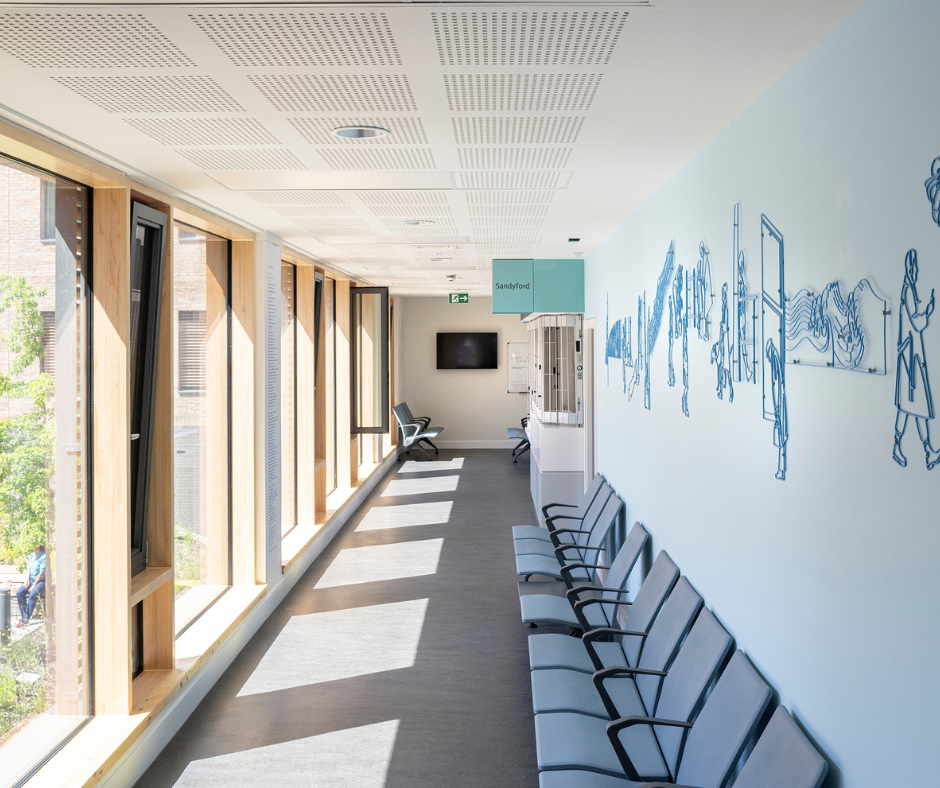
Each HTM focuses on a specific aspect of healthcare infrastructure, providing detailed guidance that connects engineering performance directly to patient safety and clinical outcomes.
Key examples include:
- HTM 03-01 – ventilation and healthcare-associated infection control
- HTM 04-01 – water systems, including Legionella risk management
- HTM 02-01 – medical gas pipeline systems and critical life support infrastructure
- HTM 05 series – fire safety strategy and evacuation resilience in healthcare settings
- HTM 06-01 – electrical services supply and distribution
Rather than treating these as standalone documents, we integrate them into every stage of design development. They are embedded within technical reviews, coordination workshops, commissioning strategies, and validation processes. This ensures that compliance is not only achieved but fully understood and demonstrated at every stage of delivery.
Example in practice
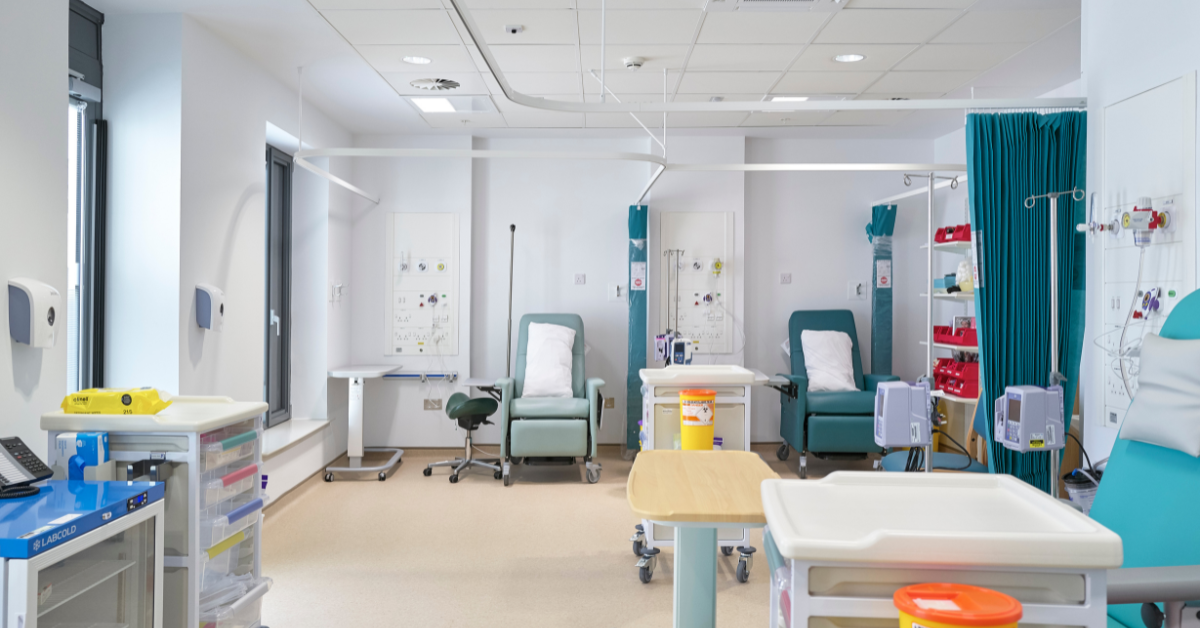
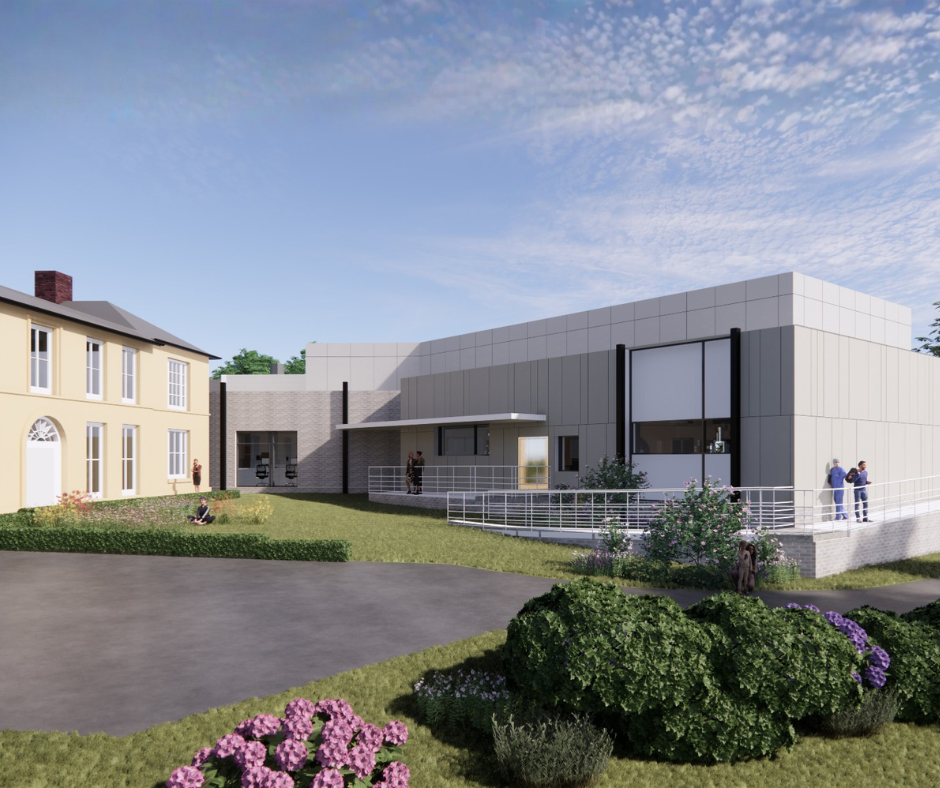
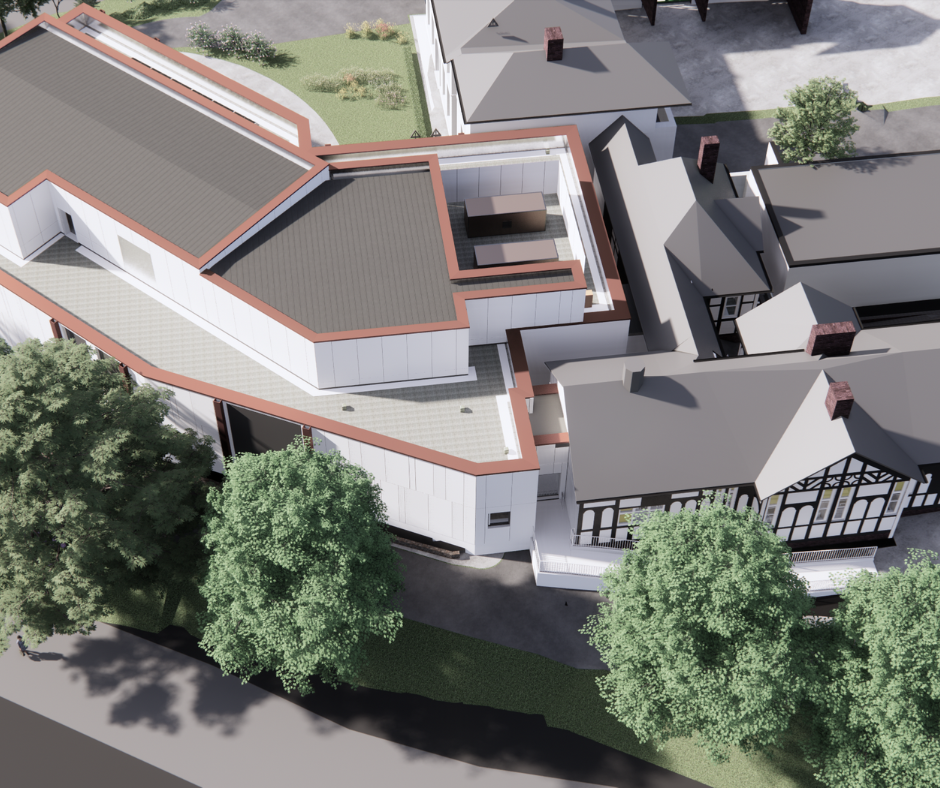
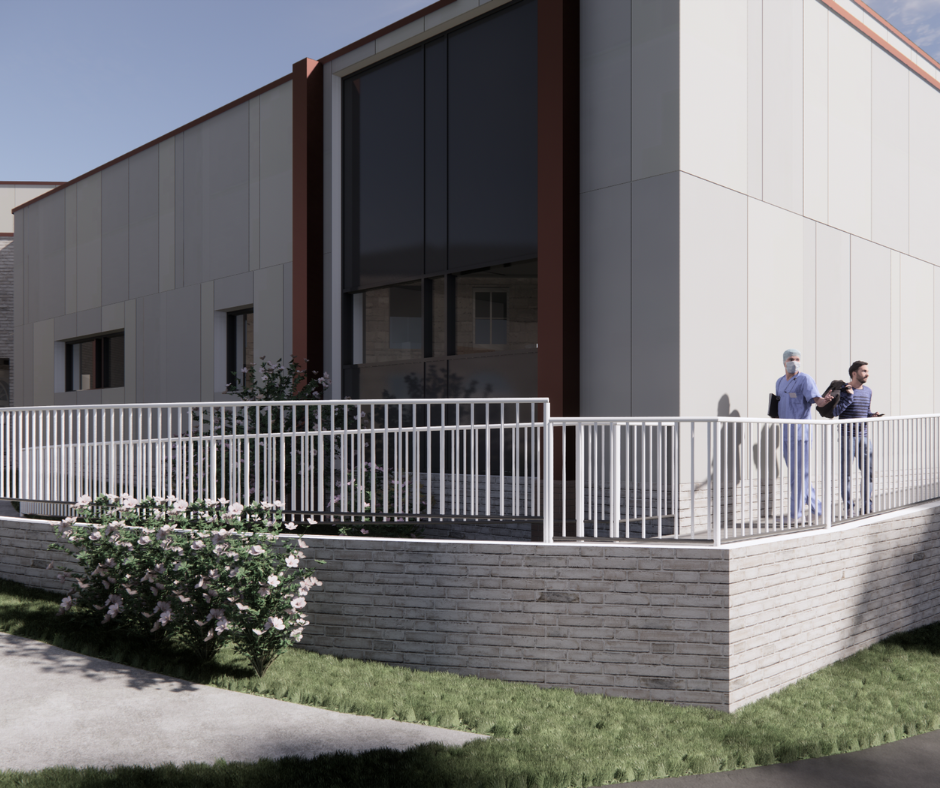
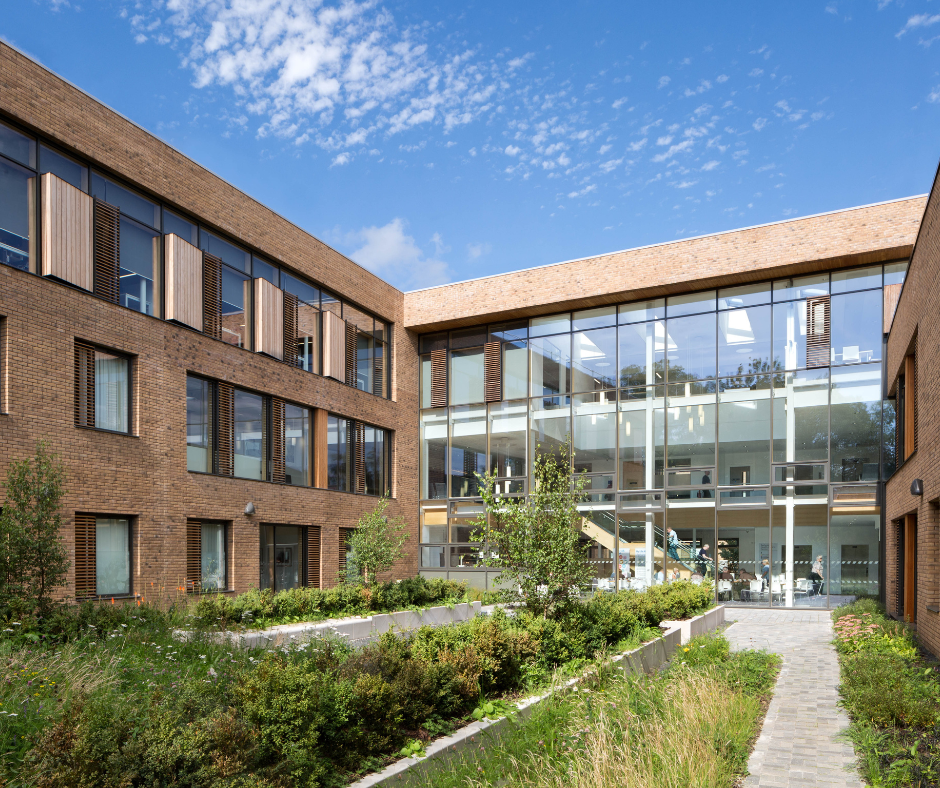
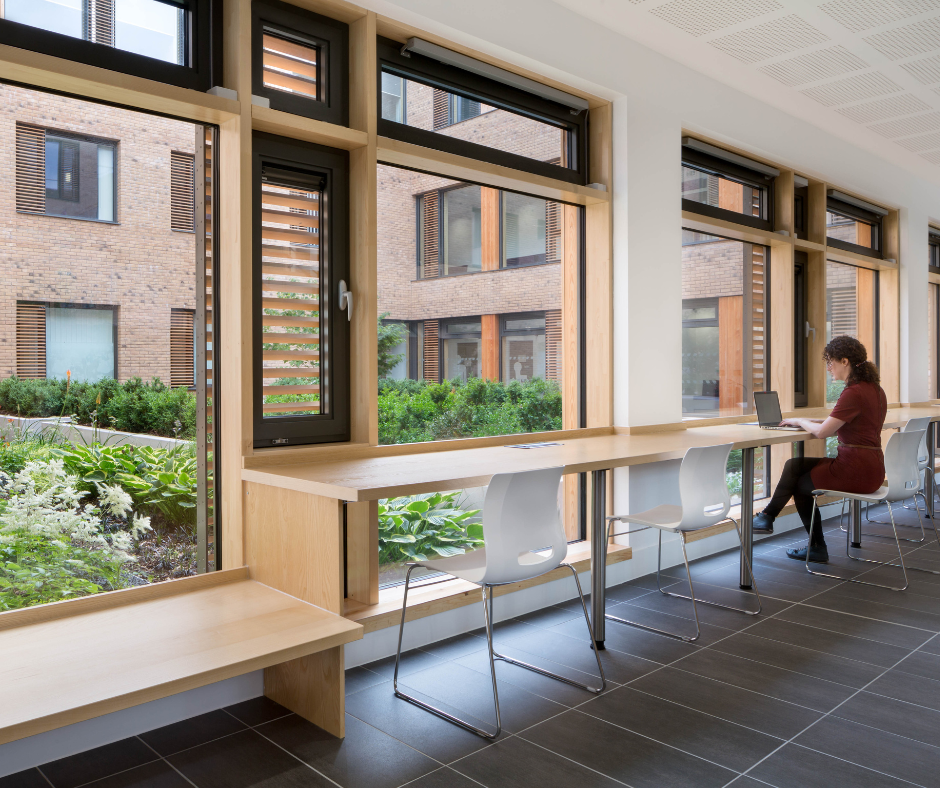
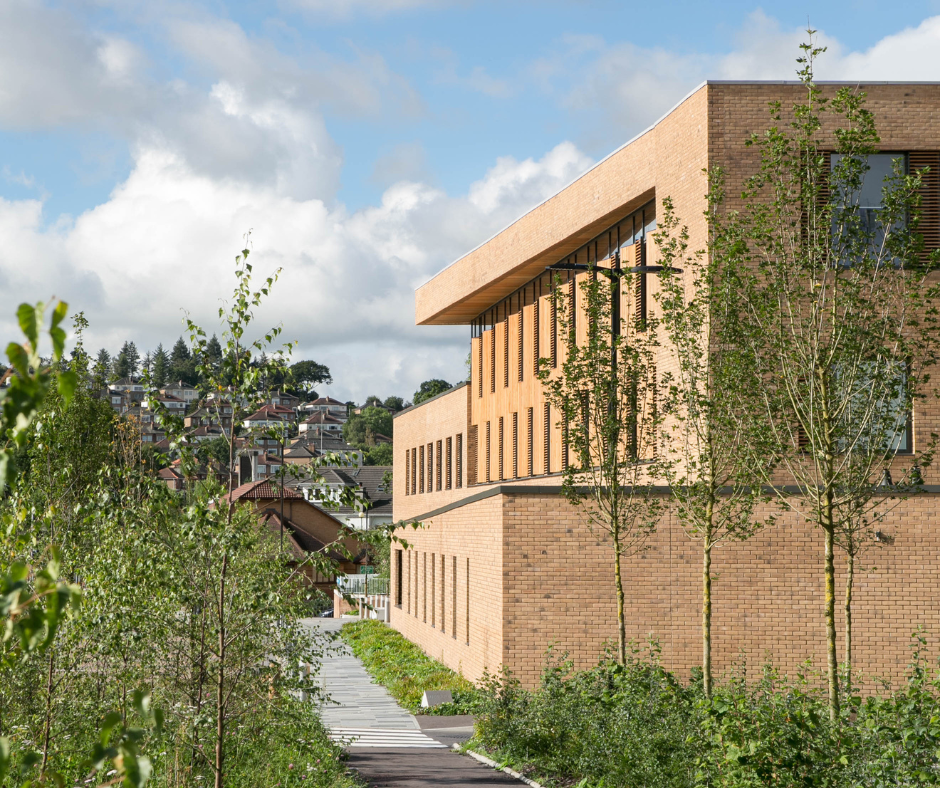
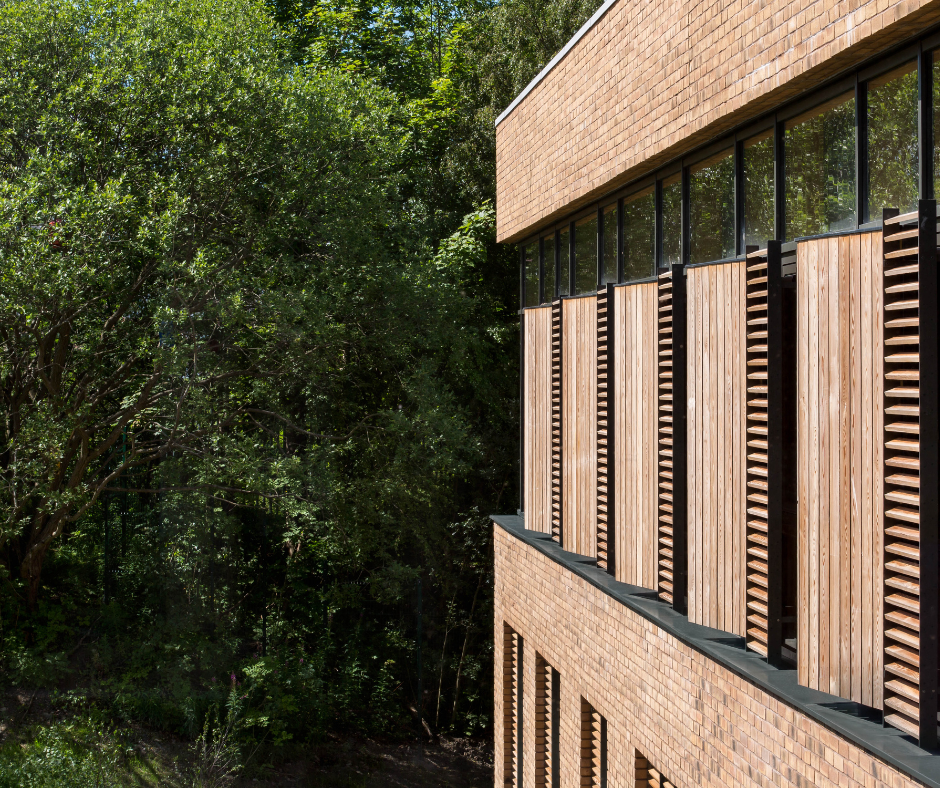
A strong example of this approach can be seen in our recent work on Victoria Infirmary, where early-stage HTM alignment significantly influenced both system design and delivery sequencing.
By applying HTM requirements at the concept stage, particularly around ventilation performance (HTM 03-01), HTM 06-01 electrical services and water safety (HTM 04-01), key engineering decisions were resolved before detailed design began. This reduced late-stage redesign, improved coordination between mechanical and electrical systems, and streamlined the commissioning process.
Crucially, it also gave the clinical team confidence that critical safety systems had been considered from the outset, not retrospectively validated at handover.
This early alignment meant that when the project reached commissioning, the focus shifted from resolving compliance issues to verifying performance, accelerating practical completion, and improving overall delivery confidence.
Net zero and sustainable design within an HTM framework
As healthcare design evolves, HTMs are no longer viewed solely through the lens of safety and compliance. They are increasingly shaping how hospitals respond to wider national priorities, particularly the drive towards net-zero carbon within the NHS.
Rather than sitting alongside sustainability targets, HTM requirements directly influence the parameters within which low-carbon design must operate. Factors such as ventilation performance, energy efficiency, thermal comfort, and system resilience must all be achieved without compromising the clinical safety standards set out in HTM guidance.
This creates a clear design challenge: delivering high-performing, low-carbon buildings while maintaining strict technical and operational requirements. It is within this balance that the role of engineering becomes critical.
Our approach is to integrate sustainability modelling and carbon reduction strategies from the earliest stages of design, ensuring they are developed in parallel with HTM compliance rather than introduced afterwards. This allows net-zero ambitions to be embedded in system selection, plant strategies, and spatial planning from the outset, rather than retrofitted later in the process.
Delivering this balance requires more than technical compliance. It depends on a deep understanding of how healthcare environments function in practice, and how engineering decisions directly affect clinical outcomes.
Across our UK offices, our healthcare engineers bring that understanding to a wide range of environments, including community healthcare settings, elective care facilities, acute hospitals, mental health units and complex surgical environments.
This breadth of experience informs how we approach every project, with a focus on quality, resilience and long-term performance, as well as the practical realities of how spaces are used day to day.
As the New Hospital Programme moves forward, HTM-led assurance will be central to delivering hospitals that are safe, sustainable and built for the future.
We’re keen to connect with others shaping this next phase of healthcare delivery. Reach out to our Healthcare Team today at [email protected]

Paul Cooper
Director, Healthcare Lead Scotland & Ireland

Jonathan Blackhurst
Associate Director, Healthcare Lead England
Related Articles


Shaping Communities Through Sustainable Leisure Design
At Wallace Whittle, our growing leisure portfolio demonstrates how thoughtful design can transform communities. From large-scale leisure centres to boutique wellness spaces, our projects combine high-quality architecture with sustainability, functionality, and inclusivity.
Working alongside a variety of clients and partners, we’re creating community-focused spaces that promote health, wellbeing, and connection, providing much-needed “third spaces” where people can gather, exercise, and engage.
Some of our recent and ongoing projects include:
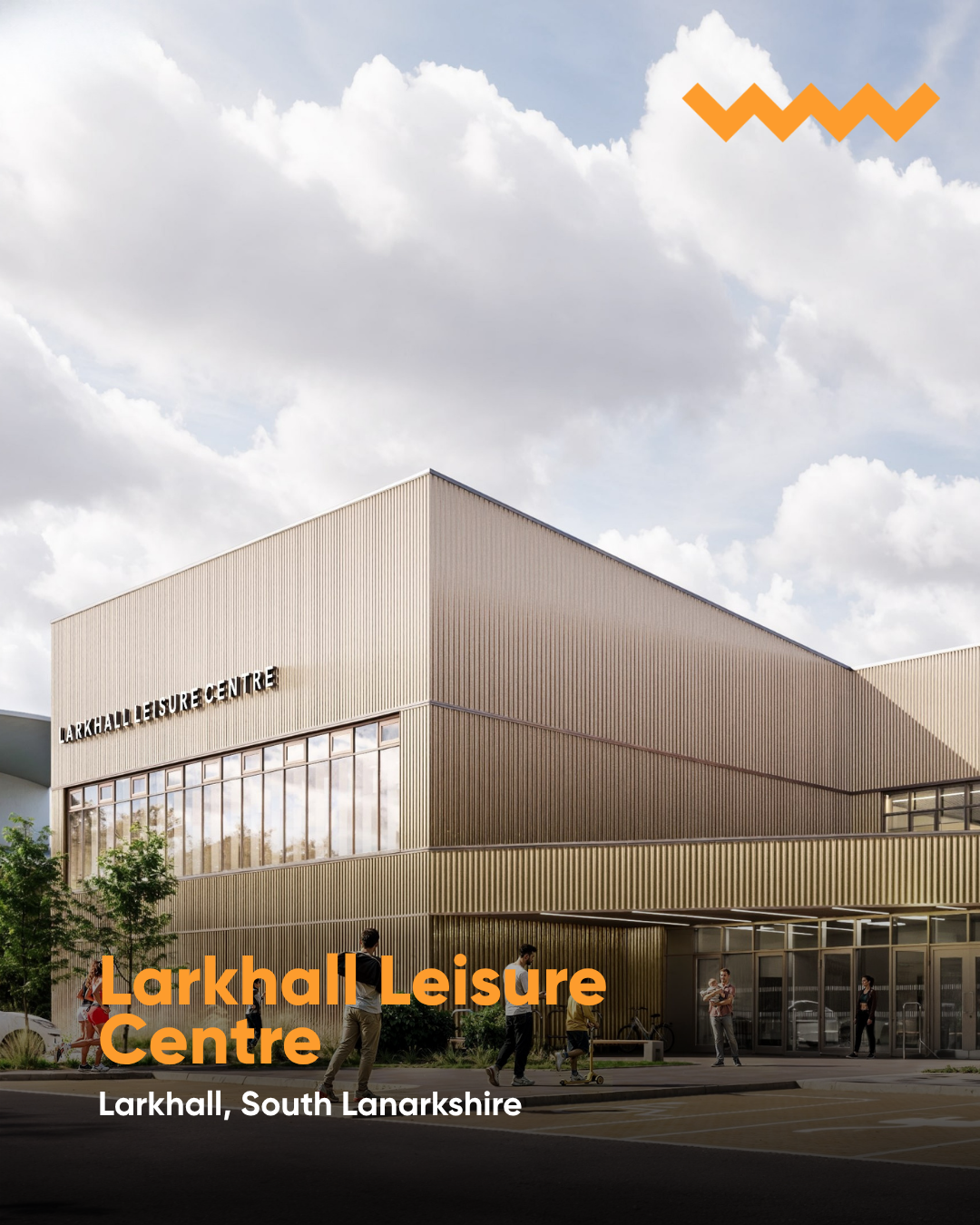
Larkhall Leisure Centre
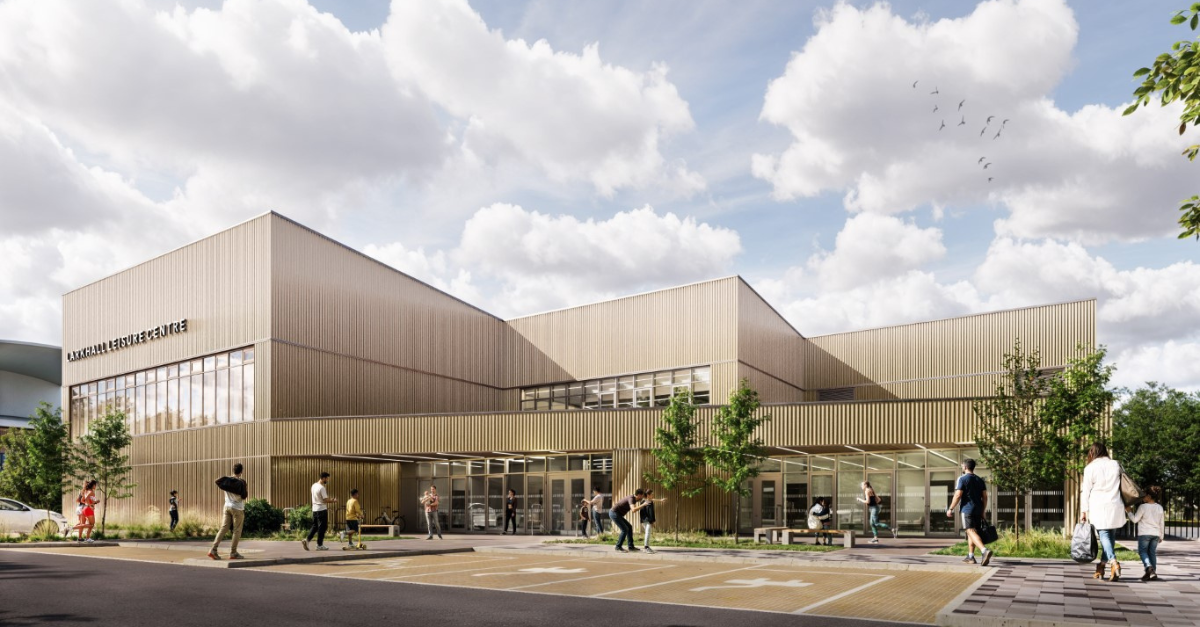
The new Larkhall Leisure Centre will deliver a modern and energy-efficient community facility, replacing the town’s existing leisure centre and offering a wide range of flexible spaces including a six-lane swimming pool, wellness suite, fitness studio, gym, and multi-purpose games hall.
The design also adopts a fabric-first approach, utilising Cross Laminated Timber (CLT) construction and high-performance building materials to minimise heat loss and enhance thermal efficiency.
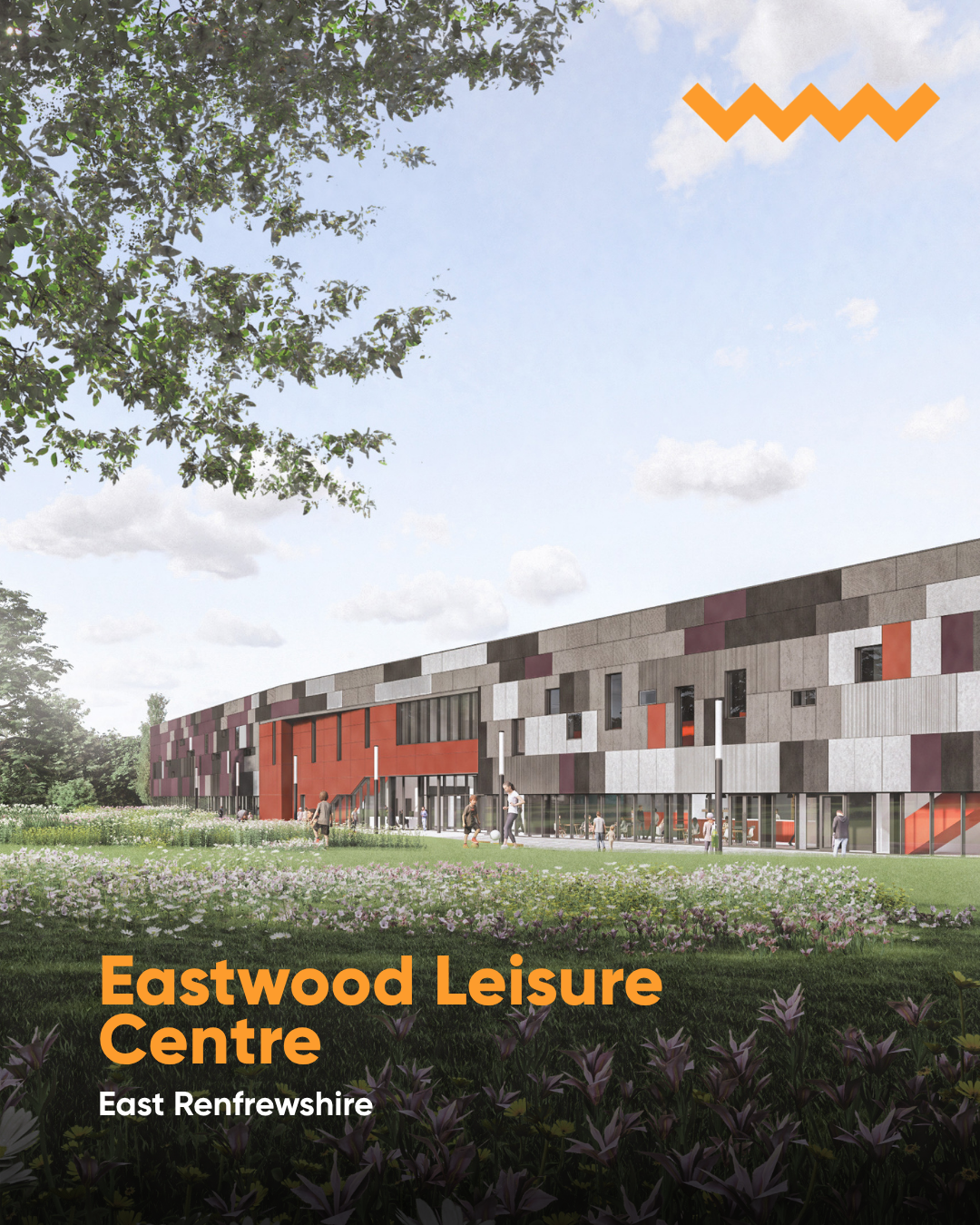
Eastwood Leisure Centre
Wallace Whittle were appointed to deliver full MEP and Sustainability design services for this major £57 million leisure and community facility in East Renfrewshire just outside of Glasgow.
This development will feature a wide range of facilities, including a 25-metre main swimming pool, 17-metre training pool, four-court sports hall, fitness suites, studios, and a dedicated spin studio. In addition to its sports and leisure offering, the building will also incorporate a 364-seat auditorium, studio theatre, café, and social spaces, creating a vibrant, all encompassing community hub. Sustainability is central to the design approach, with the building adopting an all-electric strategy supported by heat pumps, photovoltaic panels and EV charging infrastructure.
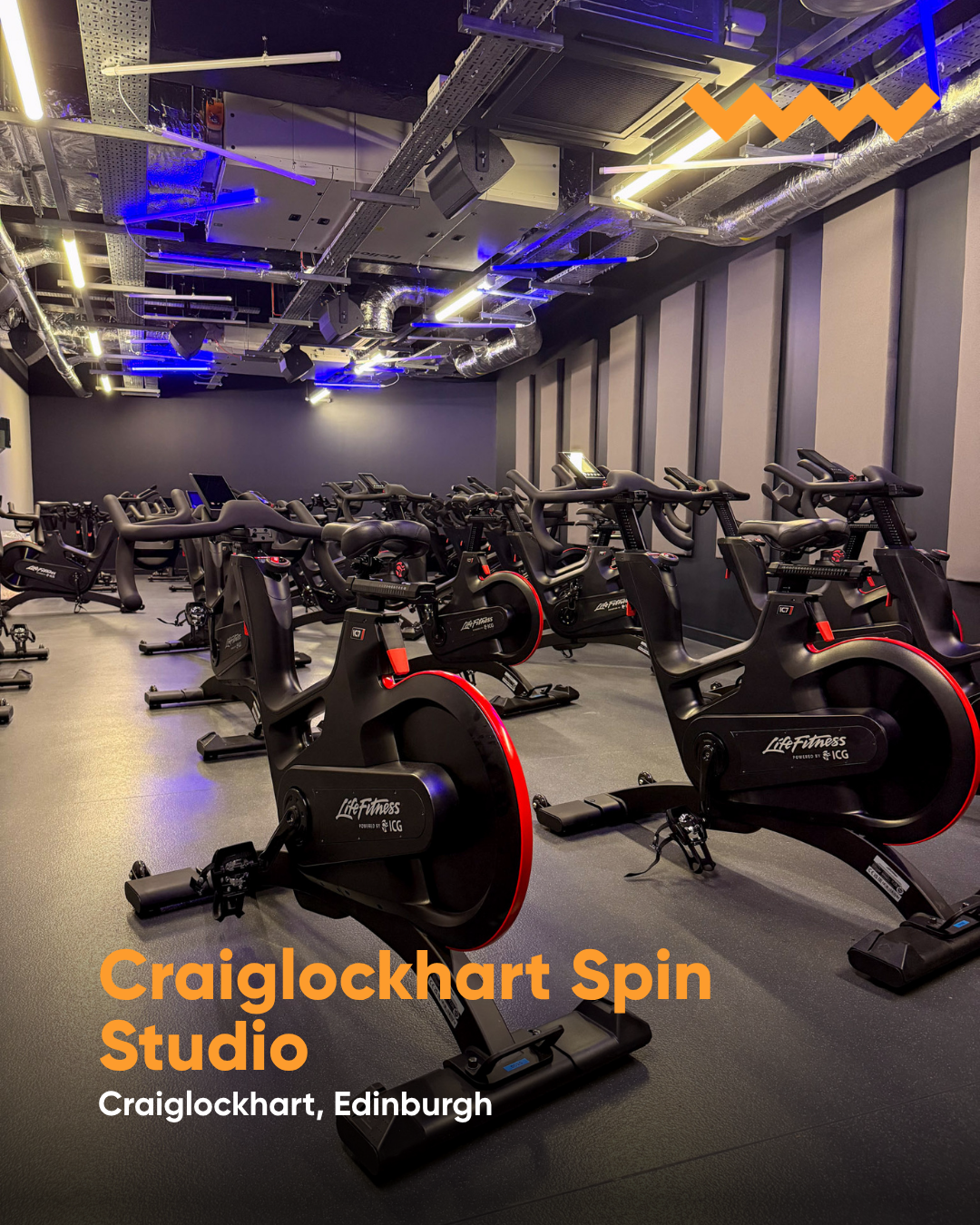
Craiglockhart Spin Studio
Delivered in just six weeks, this project was completed while the leisure centre remained fully operational throughout the works, requiring careful coordination and minimal disruption to staff and visitors. The new studio provides a dedicated home for the centre’s popular indoor cycling programme and supports the reinstatement of its full group cycling timetable for the first time since reopening after COVID-19 lockdowns. The studio also incorporates advanced lighting and sound systems designed to enhance the user experience and support high-energy classes.
Leisure centres and community spaces play a vital role in everyday life. Often undervalued, these facilities foster a sense of community, belonging, and wellbeing, offering spaces where people can connect, stay active, and enjoy shared experiences.
Sustainability is a key consideration from the outset of all our leisure projects. Many are designed with a net-zero future in mind, minimising environmental impact while ensuring long-term performance and resilience for generations to come. By embedding sustainability and wellbeing into the design approach, we create high-performing, future-ready environments, often incorporating technologies such as air source heat pumps (ASHPs), PV panels, and enhanced building fabric to reduce overall environmental impact.
We spoke to Associate Director, Martin Lorimer, about our current and expanding leisure portfolio:
“We’re proud to support the delivery of modern, sustainable leisure facilities that make a lasting difference to the local communities they serve. Working closely with partners like Alliance Leisure and councils such as East Renfrewshire Council and South Lanarkshire Council allows us to deliver high-quality leisure facilities that are both technically robust and genuinely tailored to the needs of local communities. It’s always rewarding to see these projects come to life, knowing the impact they’ll have for the people using them every day, and for many years to follow.”
Our specialists can help you create community-focused spaces that promote health, wellbeing, and connection. Get it touch with our team at [email protected]
Related Articles
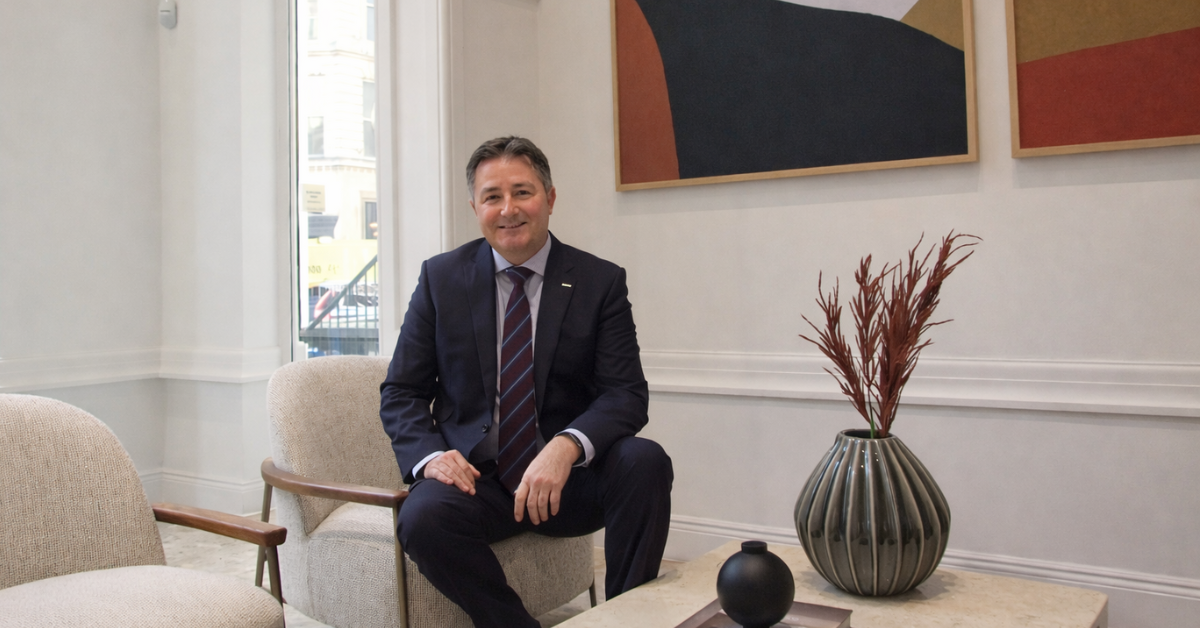

Wallace Whittle at UKREiiF 2026
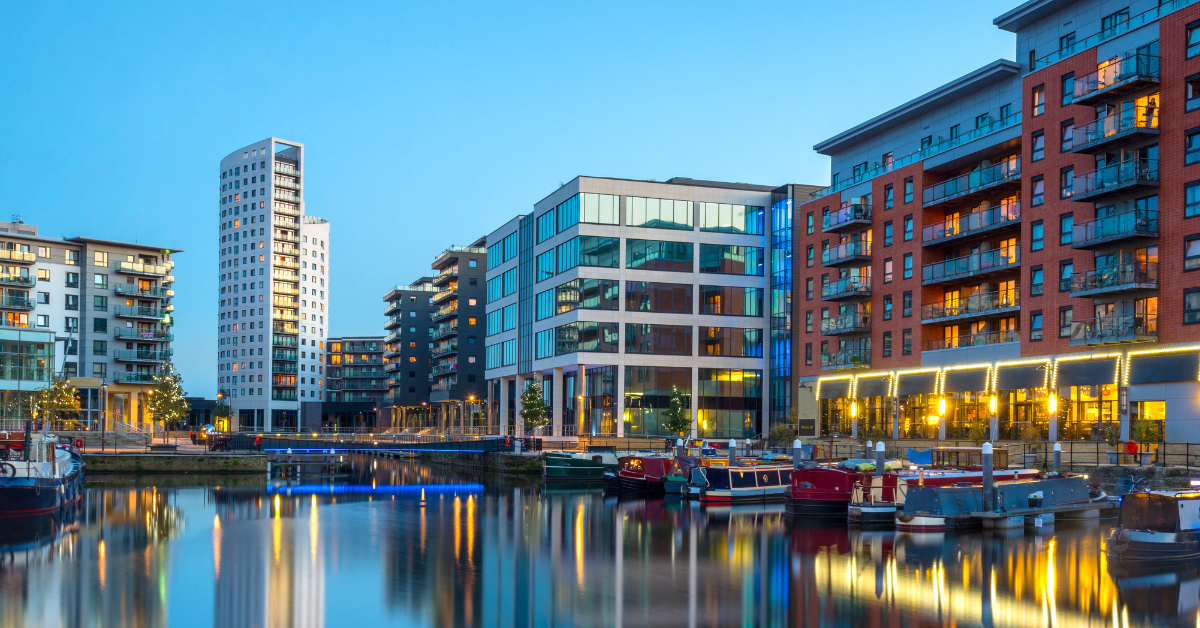
WWe are heading to Leeds for UKREiiF 2026
Hosted by the UK Real Estate Investment and Infrastructure Forum (UKREIIF), the upcoming event stands as a pivotal platform where industry leaders, innovators, and stakeholders converge to exchange insights and explore collaborative opportunities shaping the future of renewable energy and infrastructure investment.
Set amidst the vibrant heart of Leeds, from Tuesday 19th May to Thursday 21st May, this annual gathering promises an engaging agenda. From keynote addresses to panel discussions, workshops, and networking sessions, it will encourage meaningful dialogue and drive actionable outcomes within the sector. With a keen focus on the latest trends, innovations, and investment strategies, we aim to gather invaluable knowledge and forge further strategic partnerships in this evolving landscape.
Our delegates, ready to contribute their expertise and perspectives, will engage in key discussions covering sustainability, market dynamics, regulatory frameworks, and emerging technologies within renewable energy and infrastructure. But it’s more than just showcasing what we know – it’s about learning, collaborating, and growing together. Whether we’re sharing insights, brainstorming solutions, or simply swapping stories over coffee, we’re eager to meet with current and new connections.
We’re looking forward to the event, eager to catch up with many of our valued clients and collaborators, and explore new opportunities.
If you’d like to arrange a meeting over coffee or a drink, please reach out to our attendees below.
England





Craig Robertson, Director, England – [email protected]
Connect with Craig on LinkedIn.
Carl Saxon, Director, South England – [email protected]
Connect with Carl on LinkedIn.
Paul Dean, Director, Manchester – [email protected]
Connect with Paul on LinkedIn.
Colin Preston, Director, London- [email protected]
Connect with Colin on LinkedIn.
Andrew Smith, Director, Leeds- [email protected]
Sustainability
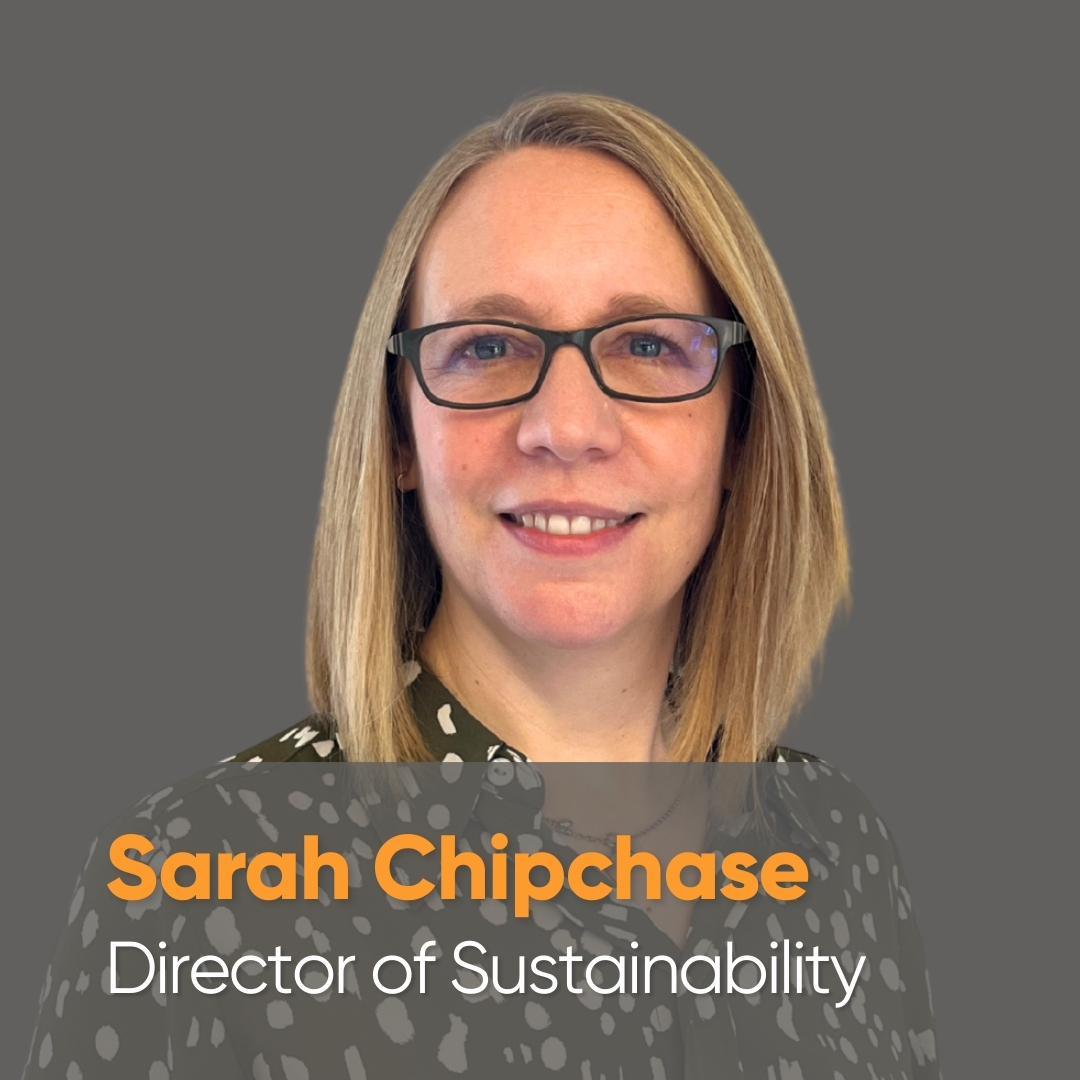
Sarah Chipchase, Director Sustainability – [email protected]
Scotland


Barry McKeane, Director Glasgow – [email protected]
Connect with Barry on LinkedIn.
Stephen Osborne, Director Edinburgh- [email protected]
60+ Years of Engineering Excellence. 5 Years of Transformational Growth.
60+ Years of Engineering Excellence. 5 Years of Transformational Growth.
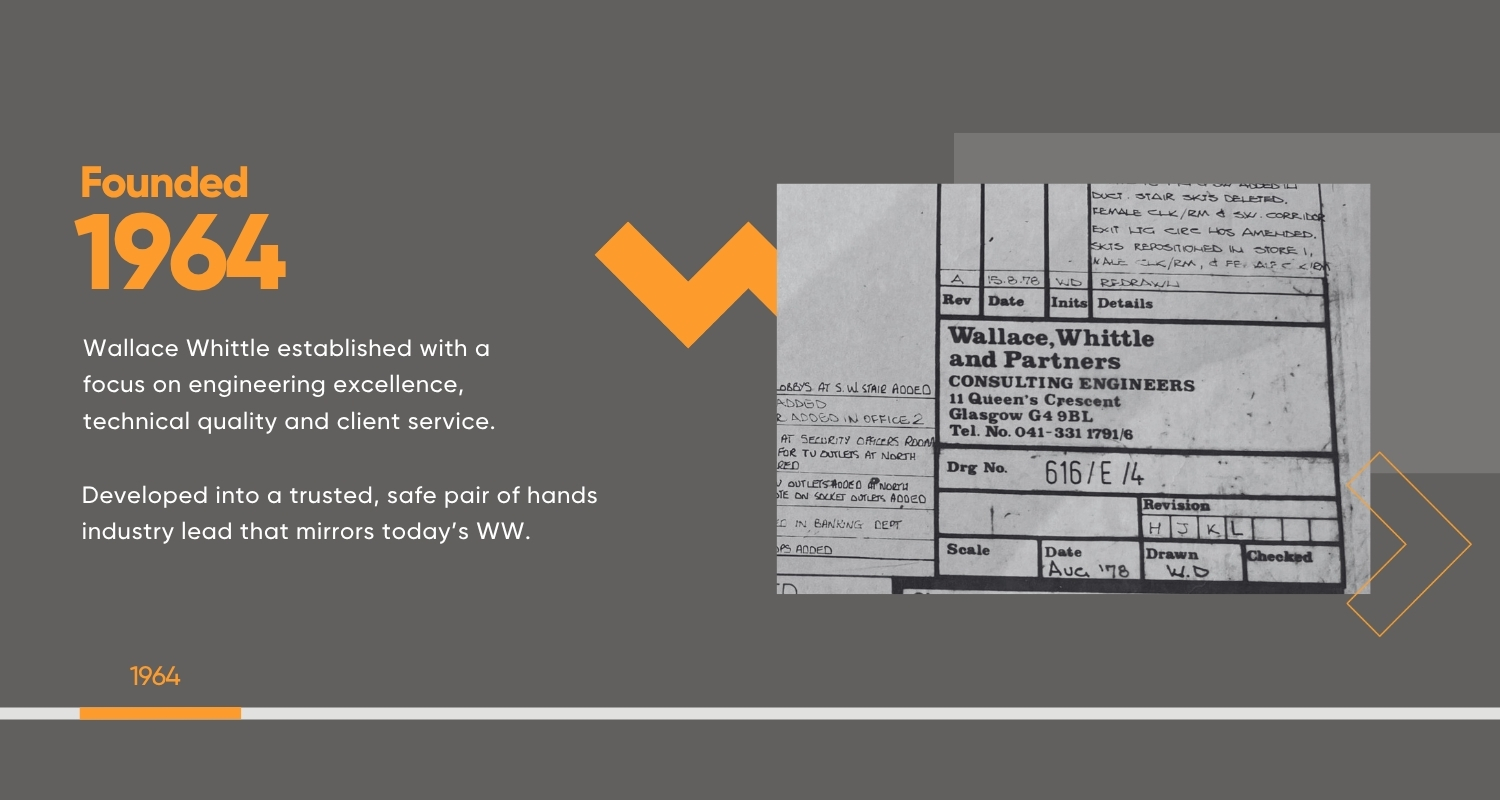
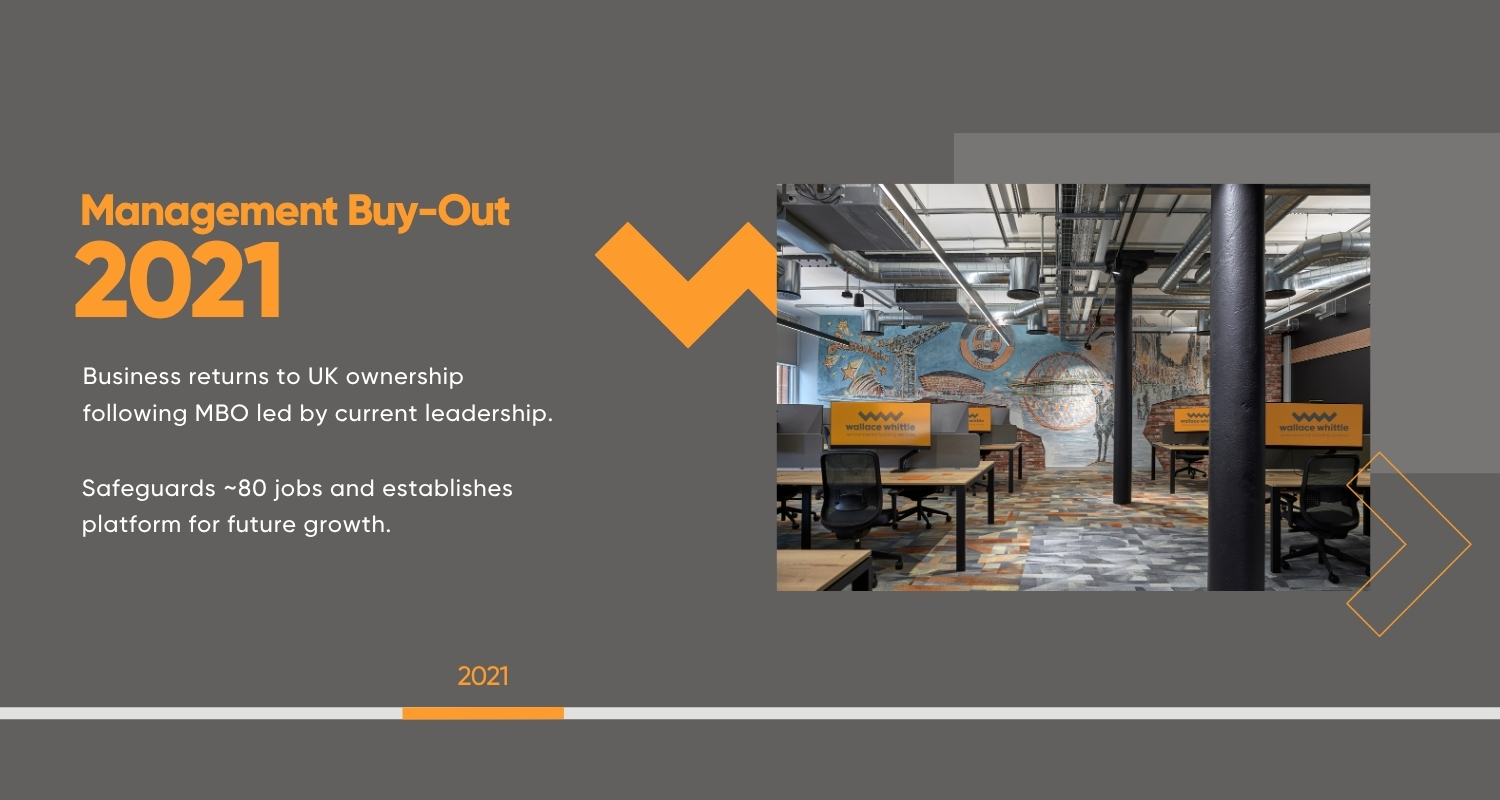
Founded in 1964. Re-engineered through management buy-out in 2021.
In 2021, a management buy-out marked the beginning of a new chapter. Not a new business, but a renewed one.
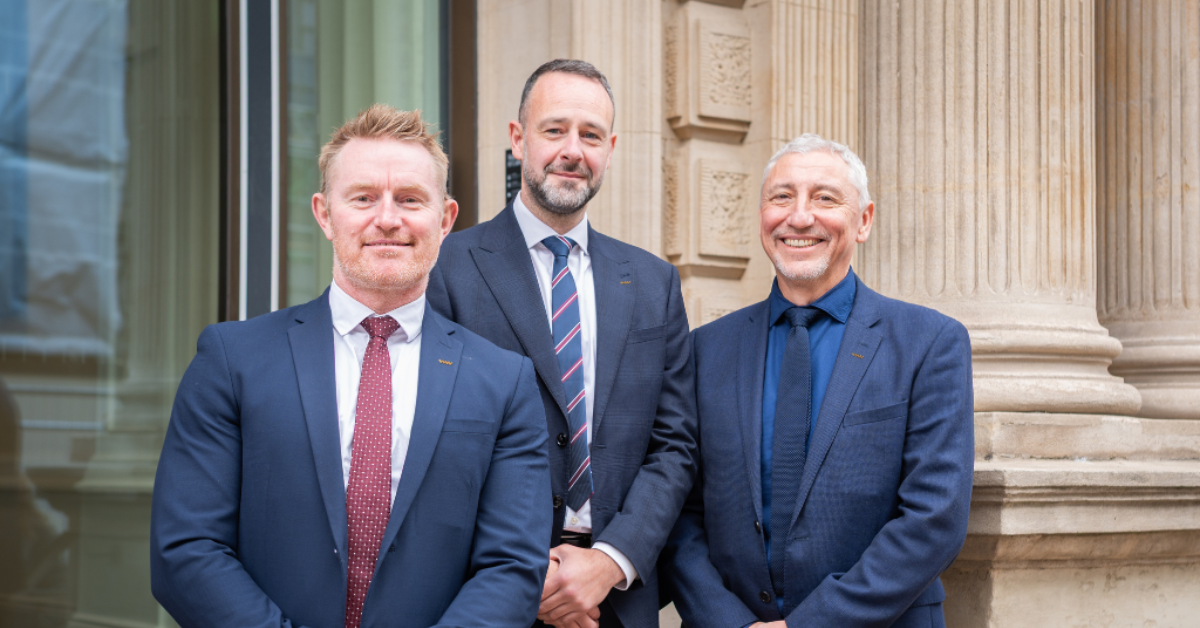
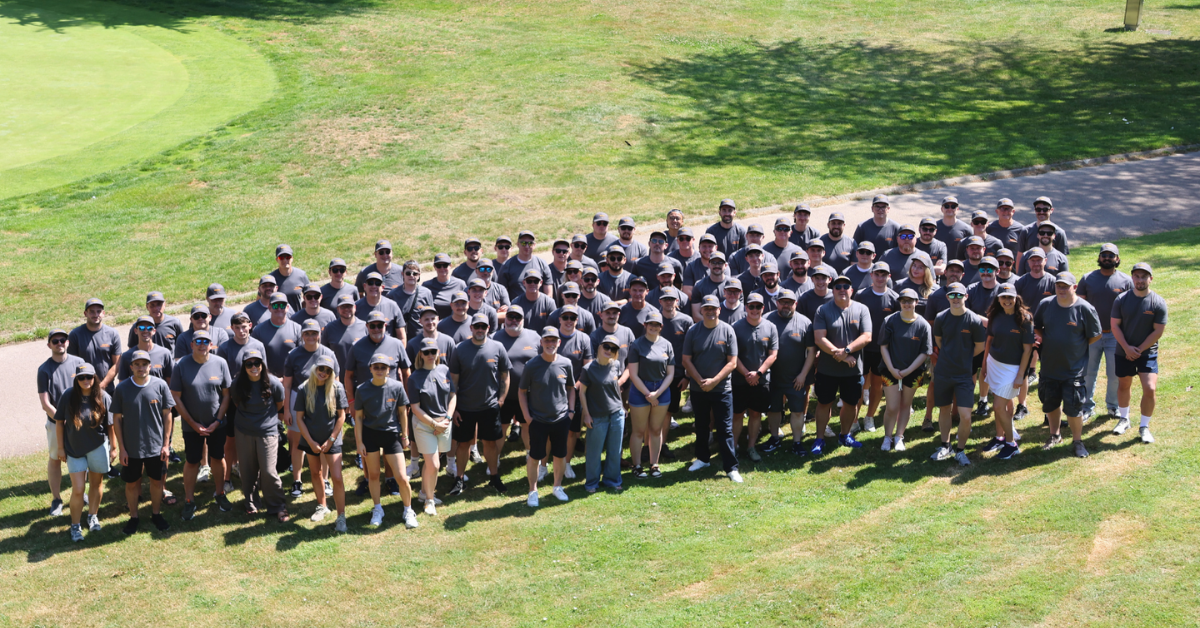
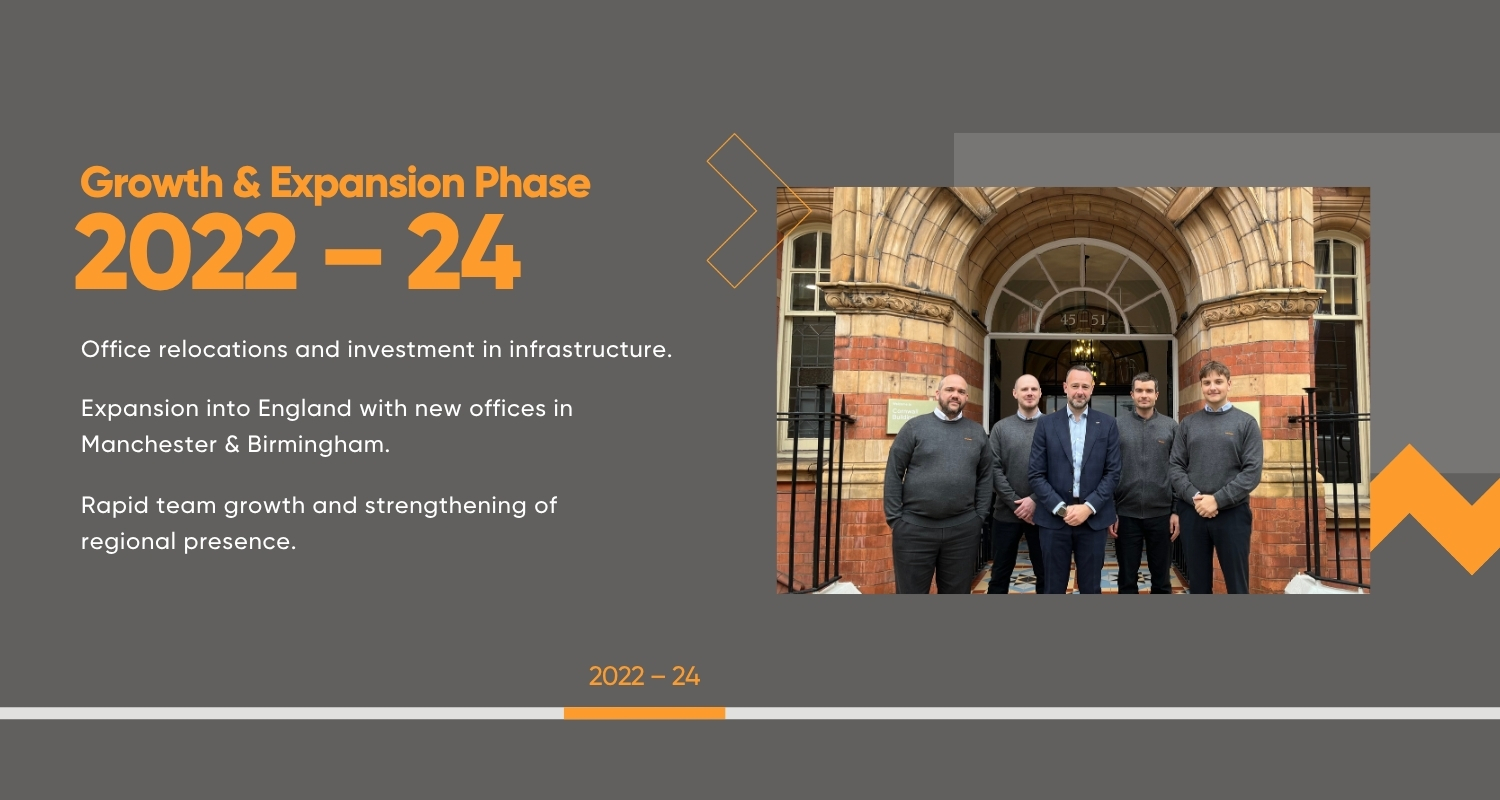
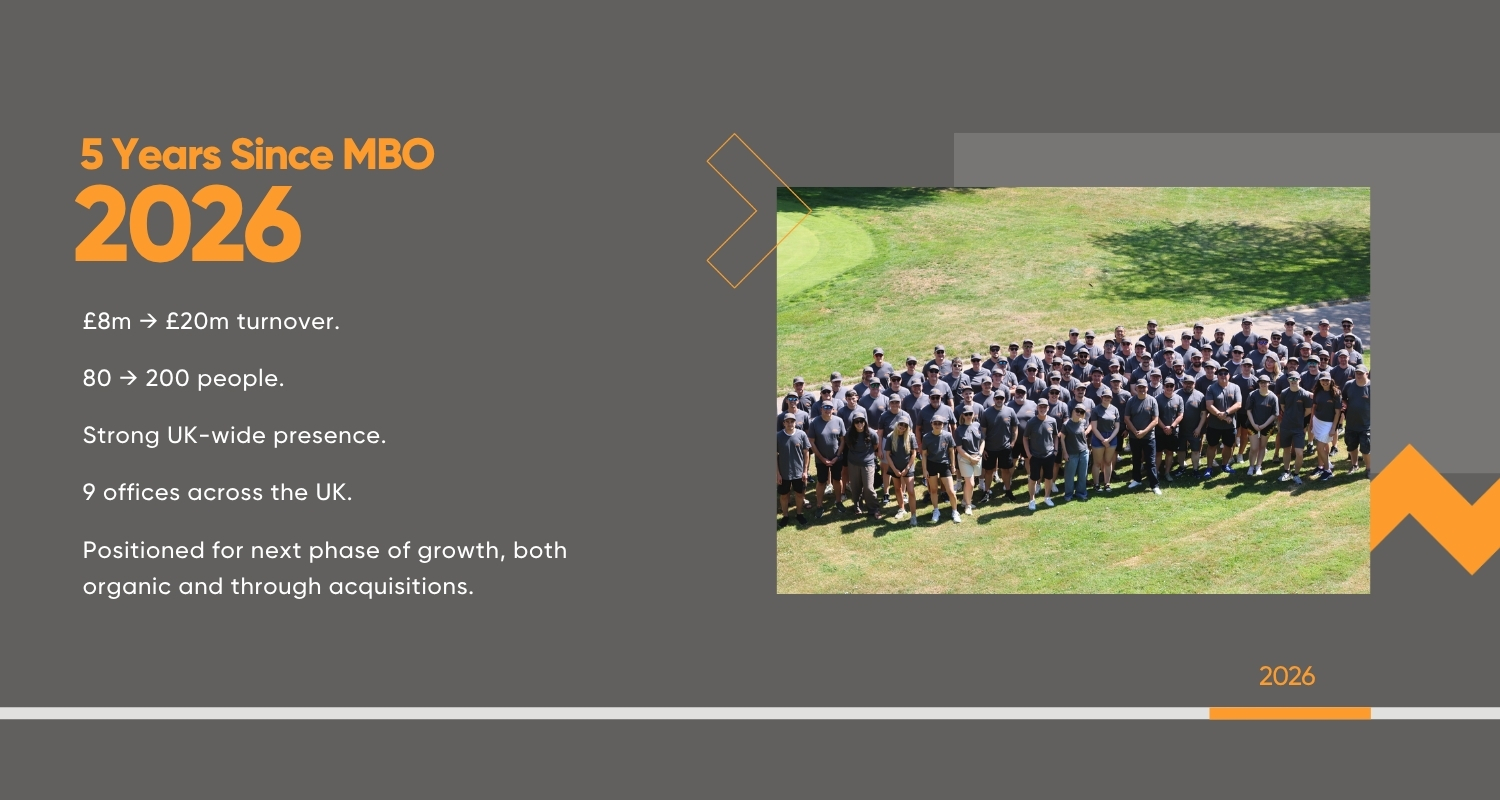
Since then, Wallace Whittle has grown from £8m to £20m turnover, and from 80 to over 200 people, expanding our reach, strengthening our capabilities, and continuing to deliver for clients across the UK and beyond.
April 2026 marks five years since that moment and we’re celebrating it in a way that reflects who we are today: by telling our story, recognising our people, and looking ahead.
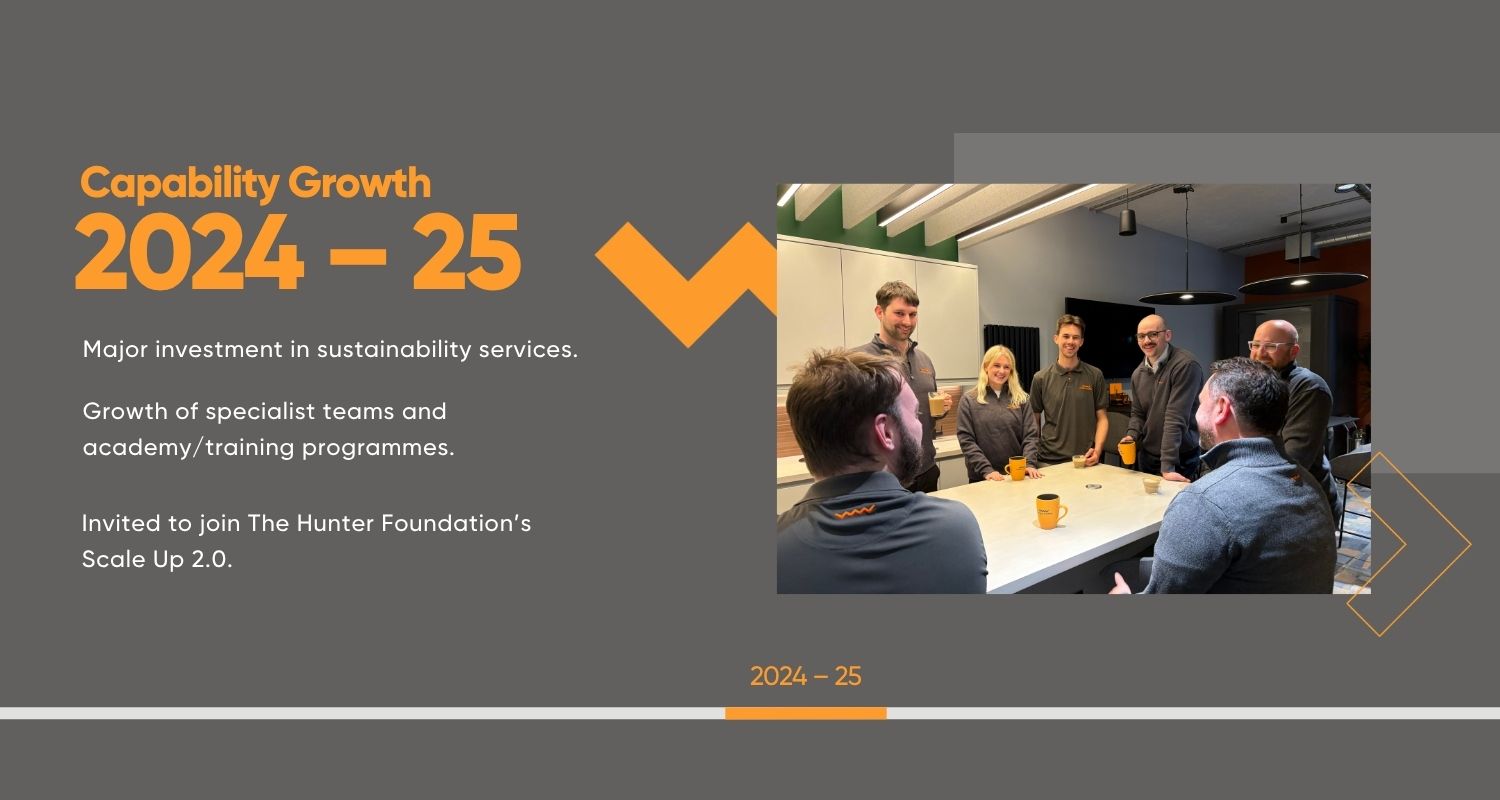
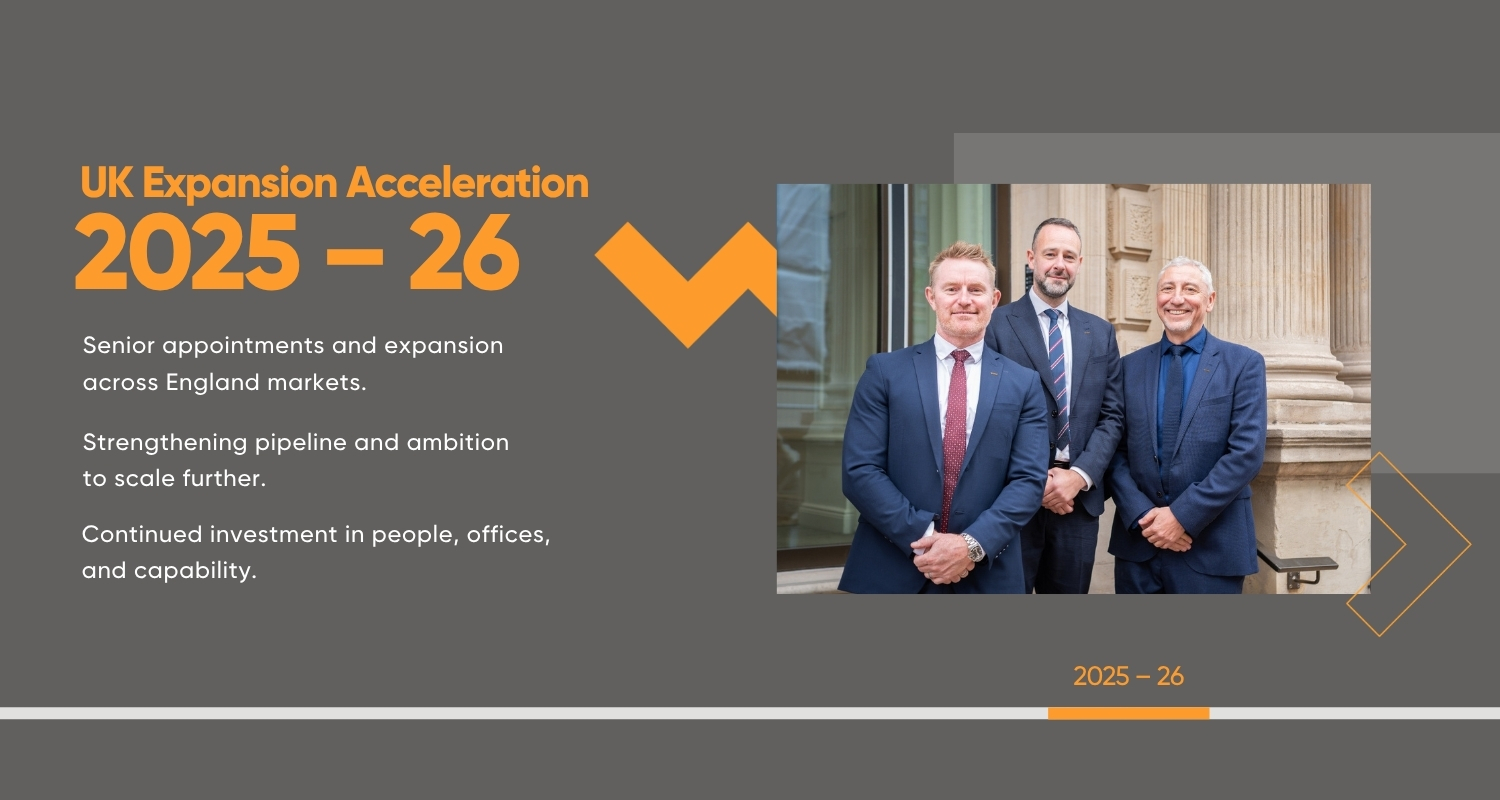
The past five years have seen us reach far beyond our original home in Scotland and Ireland. While we’ve always had a presence in Warrington, our new offices in Leeds, Birmingham and Manchester and significant growth of the London office, has positioned us as a truly national consultancy. Major investments have also been made to upgrade our office infrastructure, enhance sustainability services, and a focus on in-house training through our Academy – all in the name of quality of product, quality of service and investment in our people.
“It’s an incredibly proud moment, celebrating five years of outstanding growth while marking our 62 years of history.
Our goal with the buy-out was to return to what Wallace Whittle is at its core, while evolving how we operate in a modern market. We took our decades-old foundation of quality and re-engineered the business in 2021 to support much larger ambitions through organic, investment-led and acquisitional growth. Today, we think like a major player, but we act with the agility and personal touch of a boutique consultancy.”
– Allan McGill, Managing Director

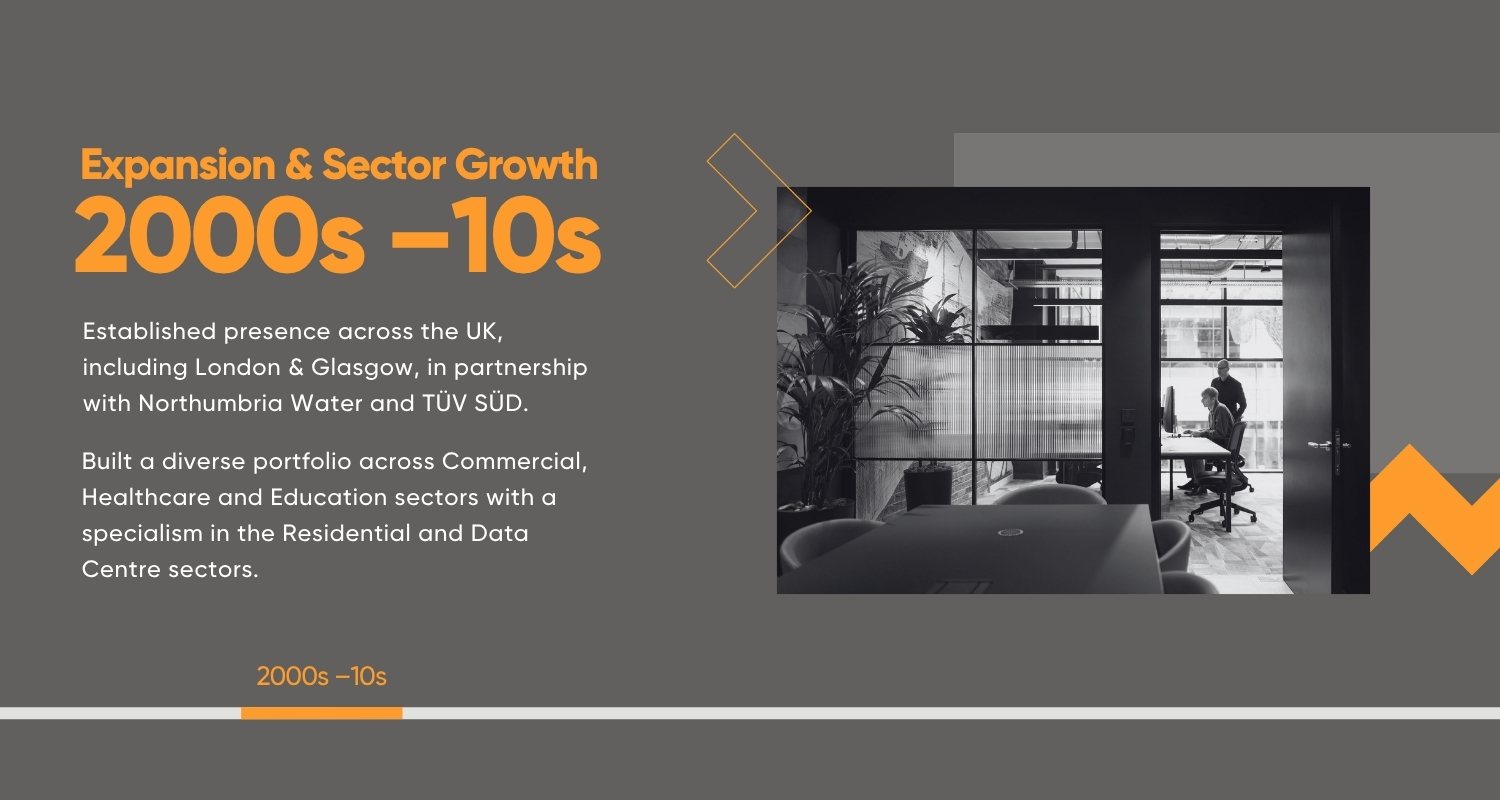
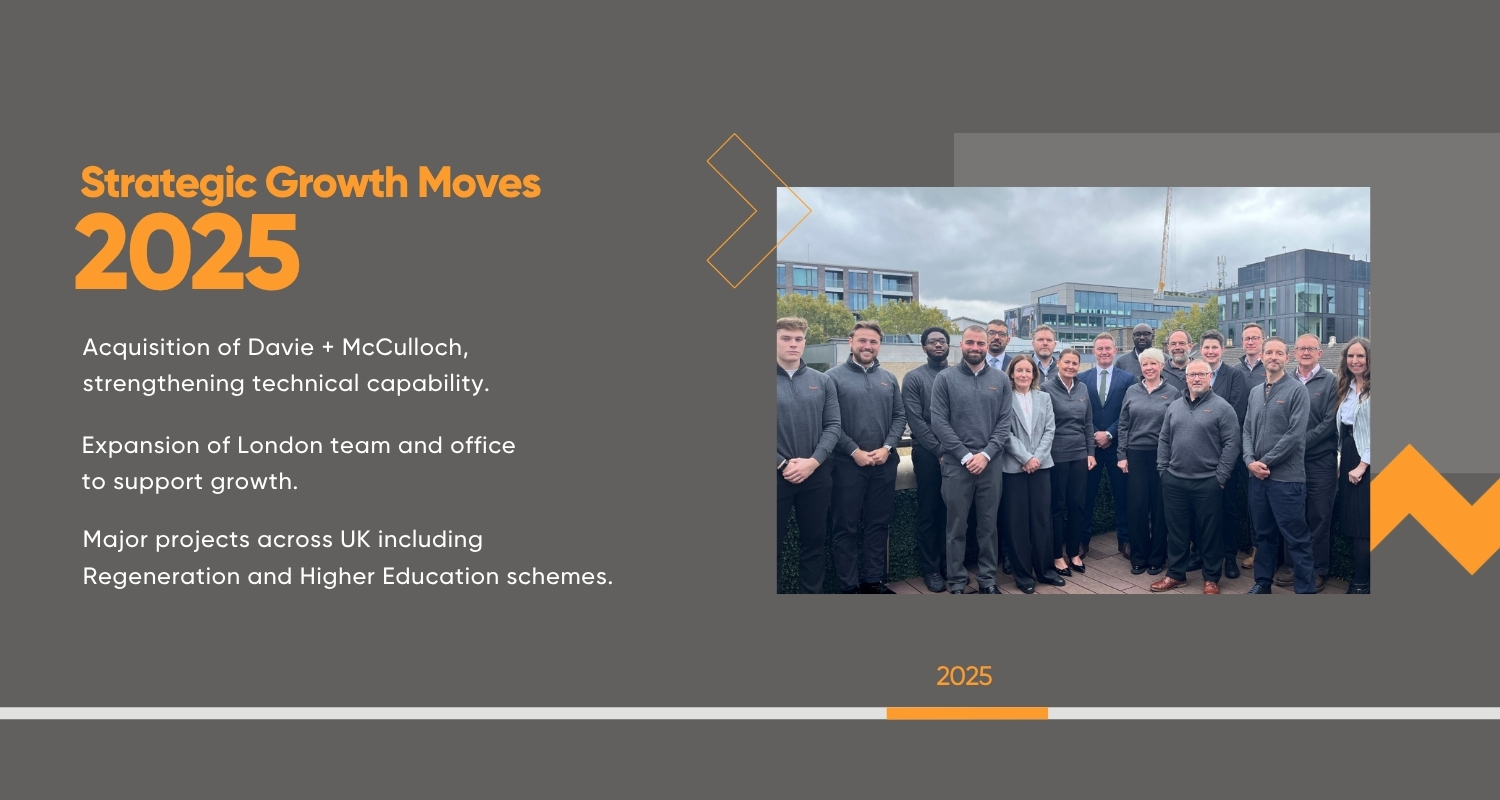
Allan added: “A huge part of our success is down to the partnerships we have forged. We haven’t simply chased new clients – we’ve deepened our relationships with existing ones who have entrusted us with increasingly complex, high-value work.
“As we look towards 2030, our focus remains on staying a people-first, quality-driven business, while continuing to expand our UK-wide presence. With more expertise in-house, we are reducing outsourcing and positioning ourselves for the future, ensuring that as we scale, we never lose the excellence that the 1964 founders established.”
We’re proud to work with clients and collaborators who trust us time and again. Many of those relationships span years – even decades – and remain central to how we continue to grow.
We may technically be over 60 years old, but this is a business that continues to evolve.
The last five years have shown what’s possible when experience meets ambition. And as we look ahead, we’re focused on continuing that momentum – investing in our people, expanding our reach, and shaping the future of sustainable engineering.
If you’d like to be part of the next 5, 10 or 50 years of Wallace Whittle, whether by joining our growing team or bringing us onboard to deliver your next project – reach out to [email protected] or find us on LinkedIn.