


The landscape of hospital delivery is shifting rapidly. No longer can critical considerations like clinical risk, digital integration, and sustainability be treated as “add-ons” to be addressed at the end of a design; today, they must shape the brief from day one.
At Wallace Whittle, our UK-wide healthcare experience has shown us that HTM-led assurance has become the essential foundation for navigating these complexities. By treating Health Technical Memoranda (HTMs) as the living “backbone” of the engineering process rather than a mere administrative checklist, we ensure that safety, operational resilience, and net zero ambitions are woven into the very fabric of modern clinical environments.
HTMs The backbone of how healthcare buildings are engineered
Health Technical Memoranda (HTMs) form the foundation of how healthcare environments are designed, delivered and operated across the UK. Developed by NHS England, they represent the most comprehensive set of engineering guidance in the sector, setting out not just what systems are required, but how they should perform, integrate and be maintained over time.
They span every critical aspect of a hospital’s infrastructure, from ventilation and infection control to water safety, medical gases, electrical resilience, and fire strategy. Importantly, HTMs go beyond technical compliance. They embed clinical risk management into engineering design, ensuring that building systems actively support patient safety, staff wellbeing, and operational continuity.
At the same time, HTMs work in parallel with NHS England, aligning engineering performance with how clinical spaces are planned and used. This relationship is key. It ensures that infrastructure and environment are not designed in isolation, but as part of a coordinated, functional healthcare setting.
We treat HTMs as a living part of the design process rather than a static set of rules. Instead of applying them as a final compliance check, we bring them into projects from the earliest stages. This allows them to inform key decisions around system selection, spatial coordination, resilience strategies, and long-term maintenance.
By embedding HTMs early, we are able to identify risks sooner, reduce redesign later in the programme and create a clearer path through approvals and validation. It also ensures that by the time a project reaches commissioning, compliance is not something to be proven; it is something that has already been designed.
Why standardisation matters
HTMs work alongside the Health Building Notes programme to create a consistent framework for how clinical spaces are planned, engineered and operated. They ensure that while hospitals may differ in size, shape and function, the underlying systems that support patient care behave in a predictable, safe and repeatable way.
This consistency is critical in healthcare environments where reliability is non-negotiable. Standardisation reduces ambiguity in design decisions, aligns expectations across multidisciplinary teams, and helps ensure that engineering solutions are tested against recognised benchmarks from the outset of a project.
In practice, we see the benefits of this approach across every stage of delivery:
- Designs progress more smoothly with fewer late-stage changes
- Coordination between disciplines is more efficient and transparent
- Commissioning and validation are more structured and predictable
- Clinical teams experience familiar, dependable environments that support safe operation
Standardisation does not mean uniformity. It does not produce identical hospitals. Instead, it ensures that the most critical systems, the ones that directly impact safety, infection control and operational resilience, function in a way that clinicians can trust, regardless of location or project scale.
System-specific assurance where safety is embedded
Each HTM focuses on a specific aspect of healthcare infrastructure, providing detailed guidance that connects engineering performance directly to patient safety and clinical outcomes.
Key examples include:
- HTM 03-01 – ventilation and healthcare-associated infection control
- HTM 04-01 – water systems, including Legionella risk management
- HTM 02-01 – medical gas pipeline systems and critical life support infrastructure
- HTM 05 series – fire safety strategy and evacuation resilience in healthcare settings
- HTM 06-01 – electrical services supply and distribution
Rather than treating these as standalone documents, we integrate them into every stage of design development. They are embedded within technical reviews, coordination workshops, commissioning strategies, and validation processes. This ensures that compliance is not only achieved but fully understood and demonstrated at every stage of delivery.
Example in practice
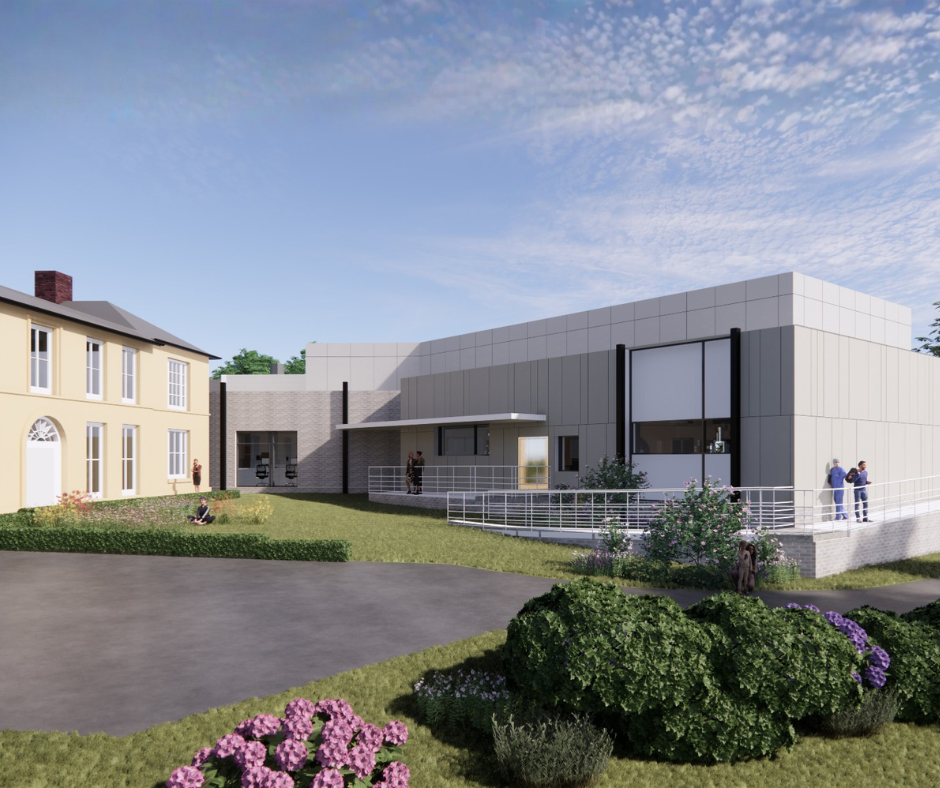
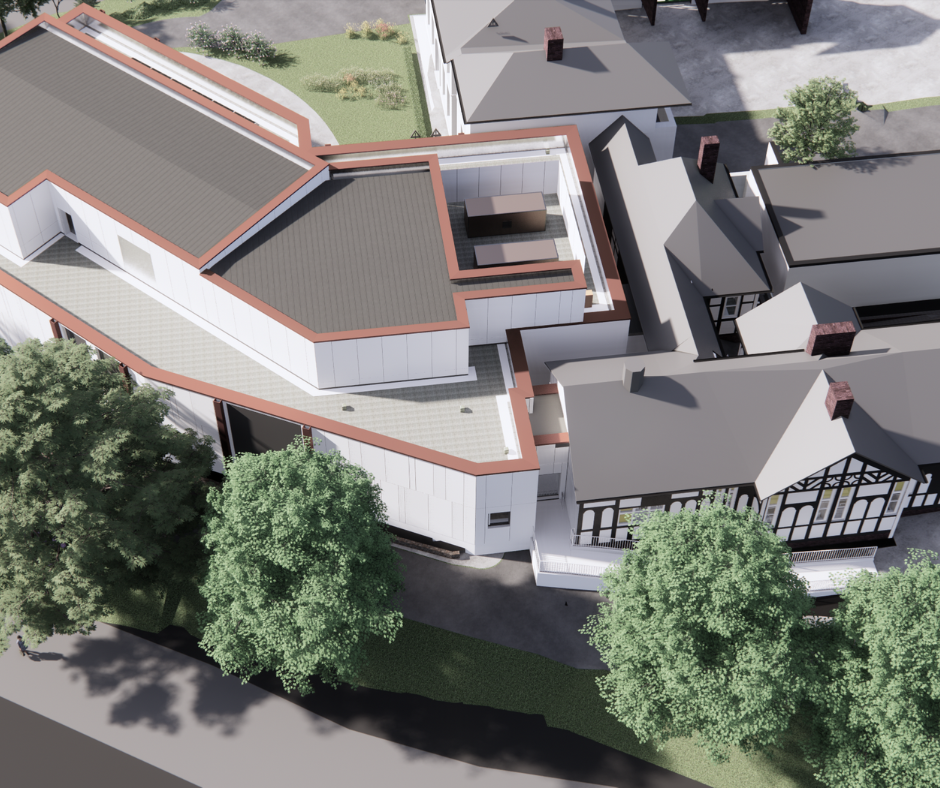
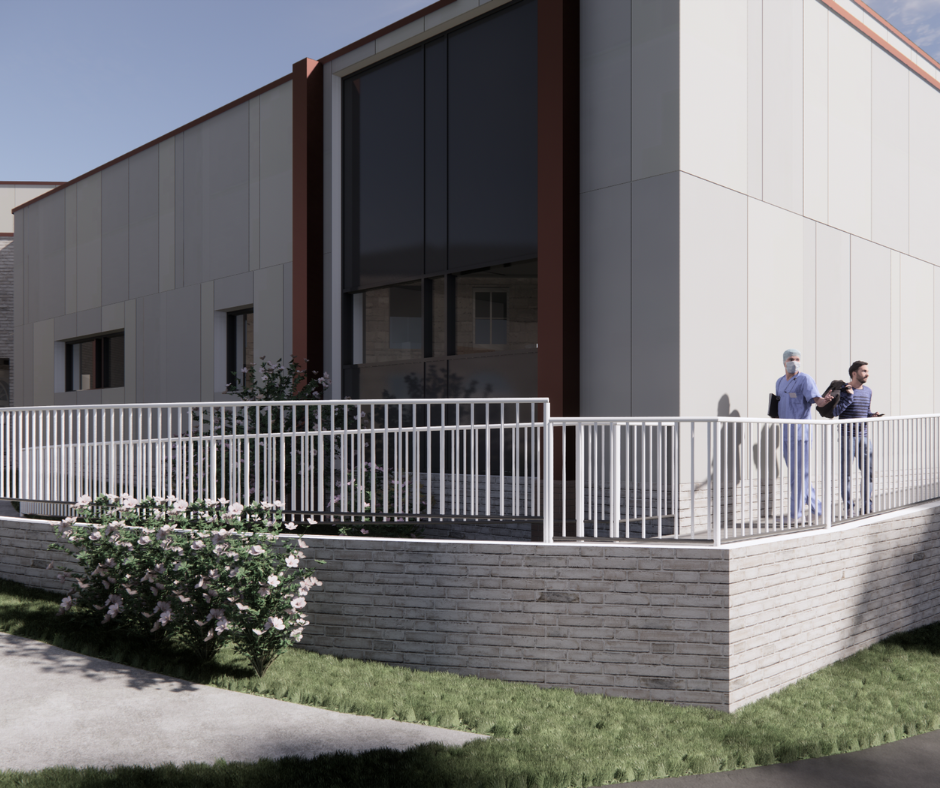
A strong example of this approach can be seen in our recent work on Victoria Infirmary, where early-stage HTM alignment significantly influenced both system design and delivery sequencing.
By applying HTM requirements at the concept stage, particularly around ventilation performance (HTM 03-01), HTM 06-01 electrical services and water safety (HTM 04-01), key engineering decisions were resolved before detailed design began. This reduced late-stage redesign, improved coordination between mechanical and electrical systems, and streamlined the commissioning process.
Crucially, it also gave the clinical team confidence that critical safety systems had been considered from the outset, not retrospectively validated at handover.
This early alignment meant that when the project reached commissioning, the focus shifted from resolving compliance issues to verifying performance, accelerating practical completion, and improving overall delivery confidence.
Net zero and sustainable design within an HTM framework
As healthcare design evolves, HTMs are no longer viewed solely through the lens of safety and compliance. They are increasingly shaping how hospitals respond to wider national priorities, particularly the drive towards net-zero carbon within the NHS.
Rather than sitting alongside sustainability targets, HTM requirements directly influence the parameters within which low-carbon design must operate. Factors such as ventilation performance, energy efficiency, thermal comfort, and system resilience must all be achieved without compromising the clinical safety standards set out in HTM guidance.
This creates a clear design challenge: delivering high-performing, low-carbon buildings while maintaining strict technical and operational requirements. It is within this balance that the role of engineering becomes critical.
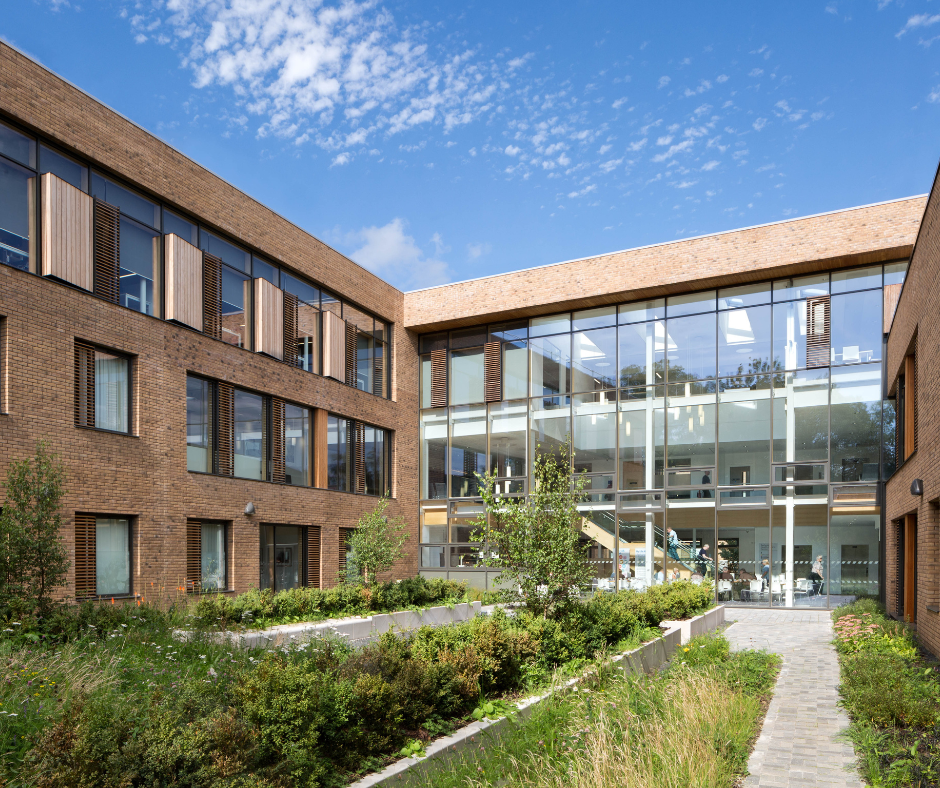
Our approach is to integrate sustainability modelling and carbon reduction strategies from the earliest stages of design, ensuring they are developed in parallel with HTM compliance rather than introduced afterwards. This allows net-zero ambitions to be embedded in system selection, plant strategies, and spatial planning from the outset, rather than retrofitted later in the process.
Delivering this balance requires more than technical compliance. It depends on a deep understanding of how healthcare environments function in practice, and how engineering decisions directly affect clinical outcomes.
Across our UK offices, our healthcare engineers bring that understanding to a wide range of environments, including community healthcare settings, elective care facilities, acute hospitals, mental health units and complex surgical environments.
This breadth of experience informs how we approach every project, with a focus on quality, resilience and long-term performance, as well as the practical realities of how spaces are used day to day.
As the New Hospital Programme moves forward, HTM-led assurance will be central to delivering hospitals that are safe, sustainable and built for the future.
We’re keen to connect with others shaping this next phase of healthcare delivery. Reach out to our Healthcare Team today at [email protected]

Paul Cooper
Director, Healthcare Lead Scotland & Ireland

Jonathan Blackhurst
Associate Director, Healthcare Lead England