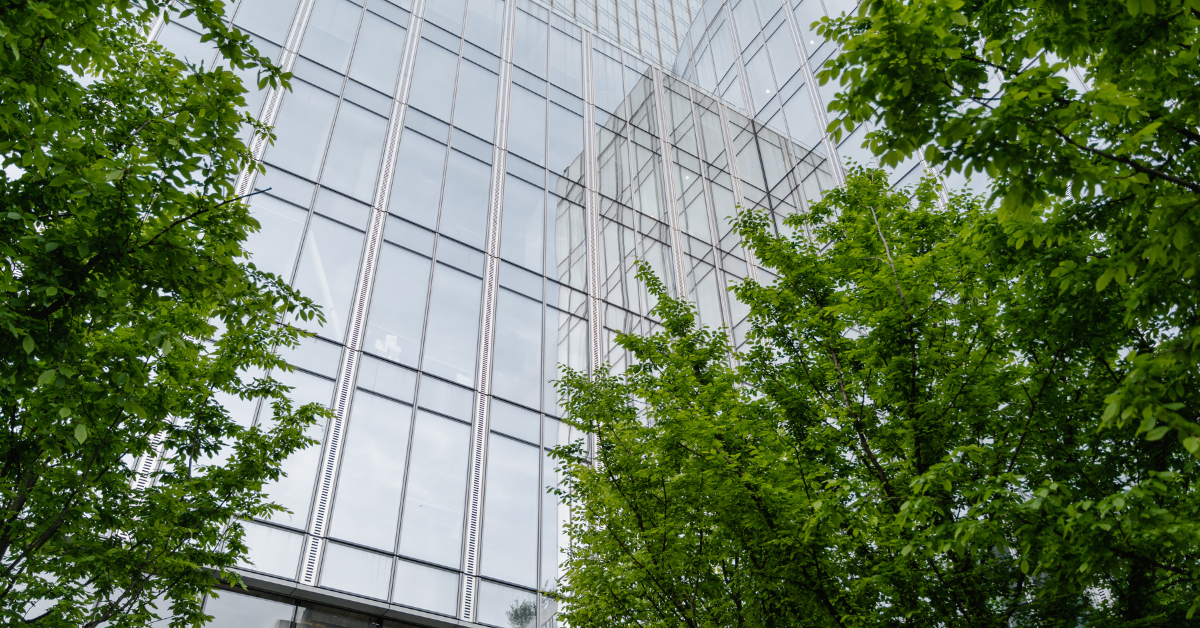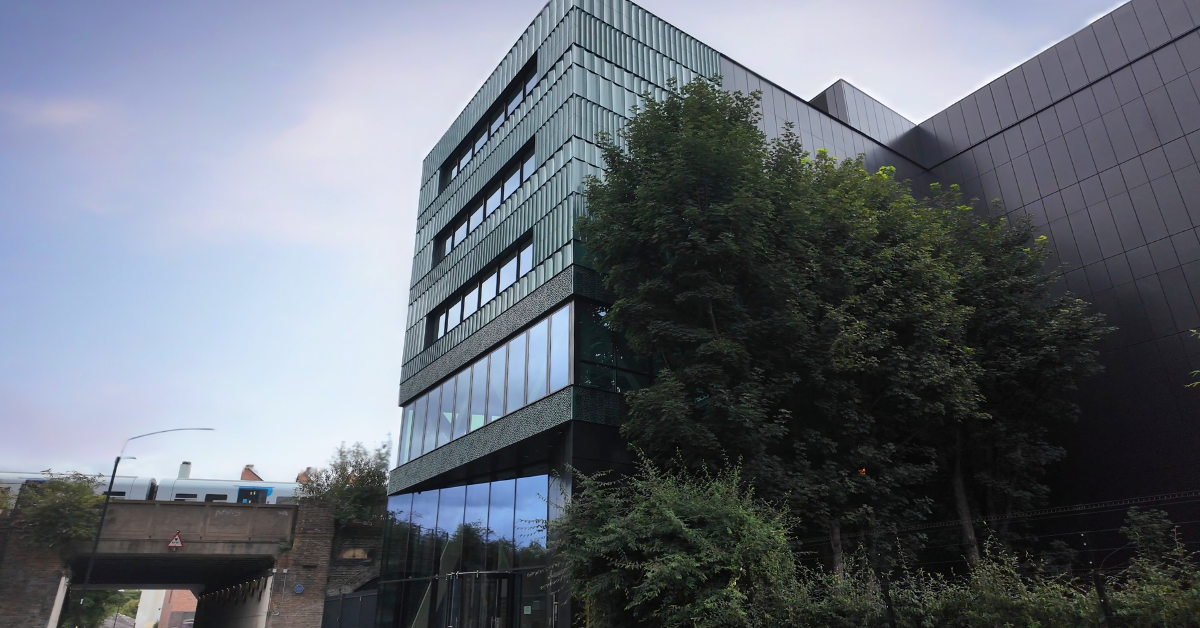



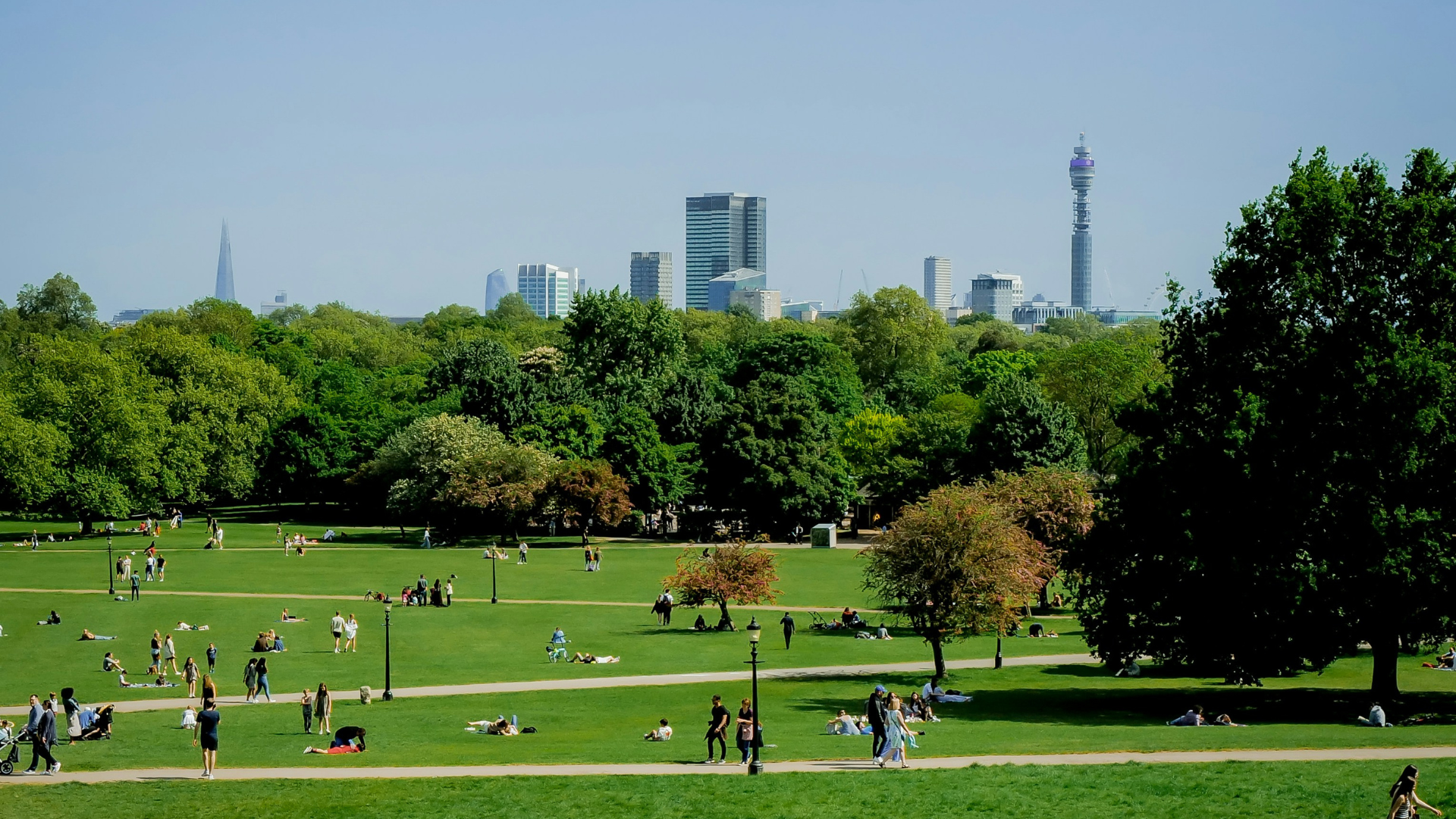
With temperatures reaching 38.1°C in parts of the UK and London facing a rare risk-to-life heat alert, the country’s fifth heatwave of the year is putting building performance firmly back in focus.
For decades, the focus has rightly been on reducing heat loss, improving insulation, and lowering winter energy demand. Those priorities remain critical. But as hotter summers become more common and unpredictable, another challenge is becoming increasingly important: overheating.
This summer’s heatwaves are a reminder that many of the UK’s commercial buildings were designed for a different climate, whereas now we are faced with less predictable weather, and more frequent extremes.
When temperatures rise, it’s common to hear concerns about well-insulated buildings becoming “thermal traps”. In reality, overheating is rarely caused by insulation alone.
More often, it is the result of an imbalance in the overall design, where heat is allowed to enter the building or build up internally without an effective strategy to control or remove it.
High-performing building fabric remains a fundamental part of good building design. It helps reduce energy demand, improve comfort and stabilise internal temperatures throughout the year. The challenge comes when solar gains, internal heat loads, ventilation strategies, controls and cooling systems are not considered together as part of a holistic approach.
In many offices, overheating is driven by a combination of factors, including large areas of unshaded glazing, poor solar control, limited ventilation, significant internal heat gains from people and equipment, and building designs based on historic weather data rather than future climate projections.
The result can be uncomfortable working environments, reduced productivity and increasing cooling demands.
When temperatures rise, the immediate question is often whether a building needs more cooling. The best-performing buildings start by reducing overheating risk through good design.
This shift is already being reflected in planning policy. The Greater London Plan, for example, encourages designers to address overheating through a cooling hierarchy, prioritising measures such as orientation, shading and ventilation before relying on active cooling. It reflects a broader change in thinking across the industry: designing buildings that stay comfortable through good passive design first, with active cooling used only where necessary.
That means understanding the full thermal balance of a building. How much heat is entering through the façade? How effectively can excess heat be removed? How will the building perform not only today, but throughout the hotter summers expected over its lifespan?
When assessing future building performance, at Wallace Whittle we consider factors such as solar gain, ventilation strategy, building fabric, future climate modelling and, where necessary, the most efficient and sustainable approach to active cooling.
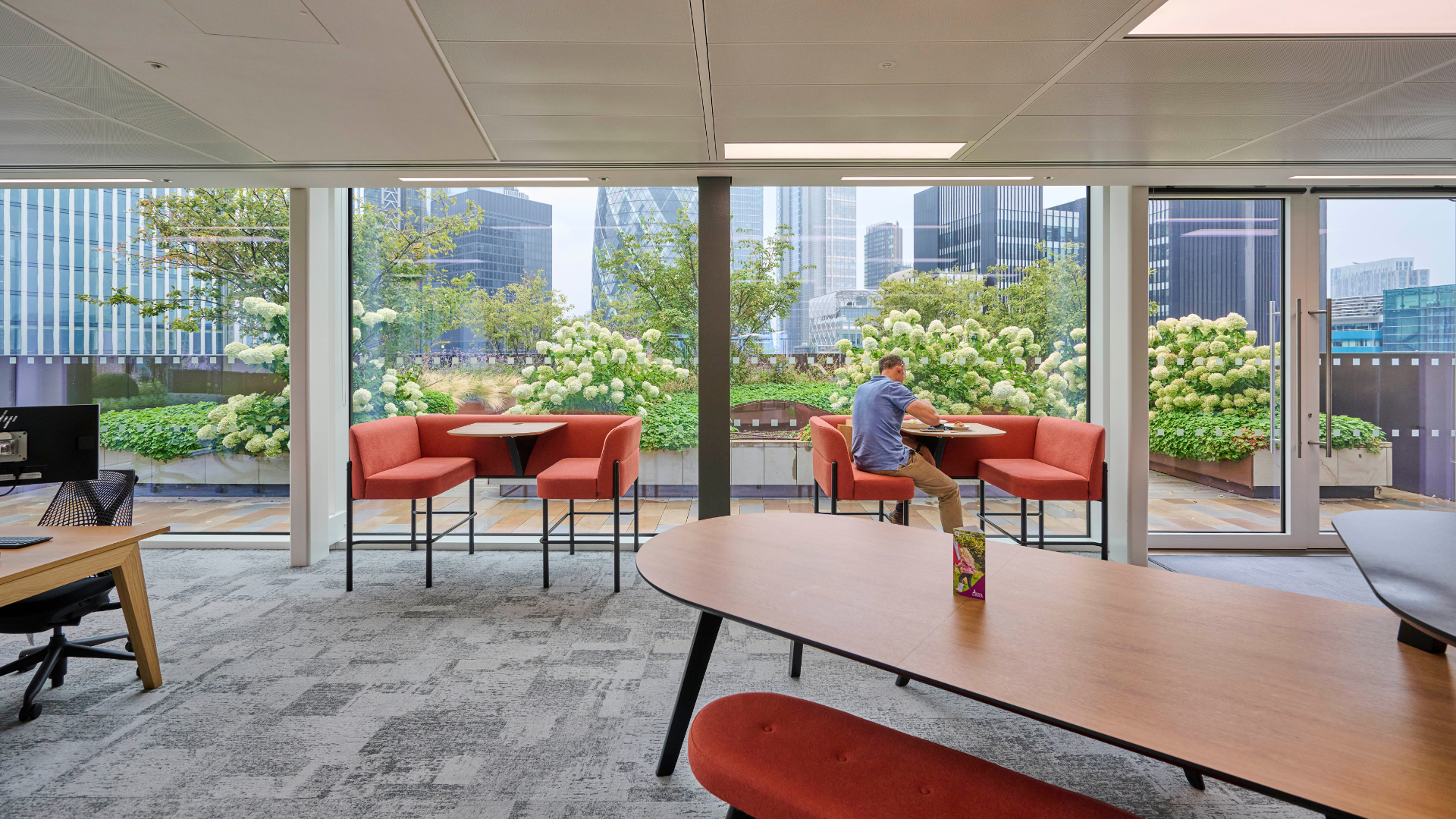
The most resilient buildings are not necessarily those with the largest air-conditioning systems. They are the ones where thermal comfort has been considered from the outset, creating buildings that retain heat when it is needed, keep unwanted heat out when temperatures rise, and remove excess heat efficiently when it builds up.
As periods of extreme summer temperatures become more common across the UK, designing for overheating is no longer a secondary consideration. It is becoming a fundamental part of delivering comfortable, healthy and energy-efficient buildings for the future.
Designing for a changing climate requires a balanced approach to building performance.
If you’re looking to better understand overheating risk, future climate resilience or cooling strategies for an existing building or new development, get in touch with our Sustainability team at [email protected]